Looking for the most interesting facts about Costa Rica before you visit? You’ve come to the right place. We’re a destination management company based right here in Costa Rica, and we live these facts about Costa Rica every day. The volcano smoking on the horizon. The sloth dozing in a roadside tree. The easy “Pura Vida” that slips into every conversation. What follows isn’t the Costa Rica of a polished Instagram reel. It’s the real country surprising, wild, deeply human, and far richer than its size suggests.
So pour yourself a cup of Costa Rican coffee and settle in. We’ve gathered our favorite facts about Costa Rica here. They mix trivia, history, nature, and culture. We grouped them by theme, so you can wander through them the way you’d wander through the country itself.
A Small Country with Two Coastlines
Costa Rica means “Rich Coast” in Spanish. Many credit the name to Christopher Columbus, who anchored near present-day Limón in 1502. He saw gold-adorned locals and assumed they guarded hidden treasure. The real wealth, of course, turned out to be the land itself. The country covers roughly 51,100 square kilometers (about 19,700 square miles) — about the size of West Virginia. That makes it one of the smallest countries in Central America. Yet it packs in an astonishing amount of variety.
Did you know? On a clear morning from the summit of Cerro Chirripó, you can see both the Pacific Ocean and the Caribbean Sea at the same time two oceans, one view.
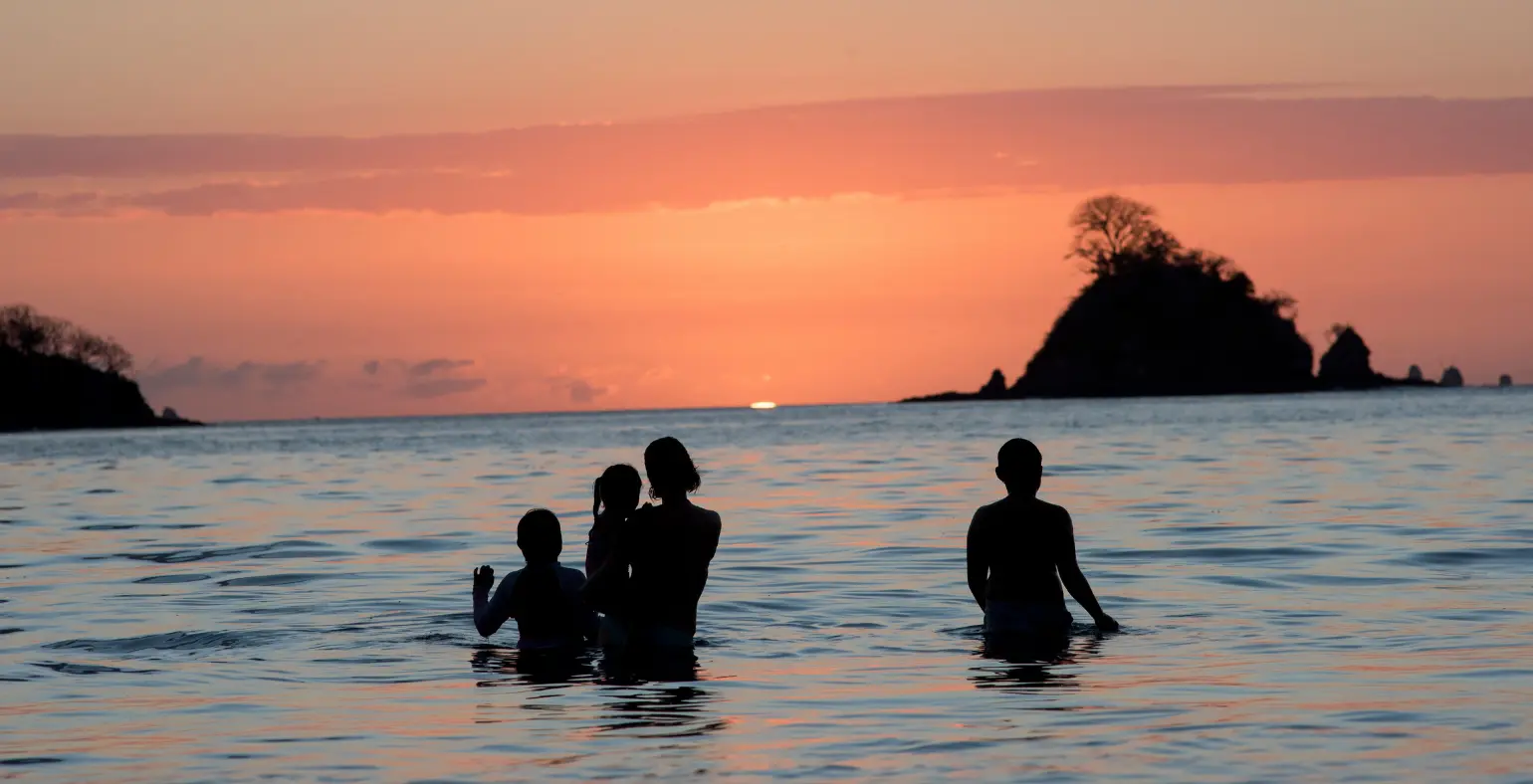
It sits between Nicaragua to the north and Panama to the southeast. Two different seas frame it: the Pacific Ocean to the west and the Caribbean Sea to the east. With around 1,290 kilometers of coastline, you’re never more than a few hours’ drive from the water. The country splits into seven provinces: San José, Alajuela, Cartago, Heredia, Guanacaste, Puntarenas, and Limón. The capital, San José, sits in the cool Central Valley at about 1,170 meters (3,840 feet). There, a spring-like climate reigns nearly year-round. Cartago actually served as the original capital until 1823.
Costa Rica lies just 8 to 11 degrees north of the equator. As a result, day and night stay almost equal in length all year. The calendar splits into two seasons rather than four: the dry season (roughly December to April) and the lush green season (May to November). Look up, and you’ll often see mountains. The country has more than 100 volcanic formations, and around six stay active today. Its highest point, Cerro Chirripó, rises to 3,820 meters (12,533 feet). From the top on a clear day, you can glimpse both the Pacific and the Caribbean at once.
A Living Laboratory: Wildlife & Biodiversity
If Costa Rica has a superpower, it’s biodiversity. This single small country holds nearly 5% of all the species known on Earth. And it covers just 0.03% of the planet’s surface. That works out to more than 500,000 species. Over 300,000 of those are insects alone.
Did you know? Costa Rica holds nearly 5% of the world’s biodiversity on just 0.03% of its land making it one of the most species-dense places on the planet.
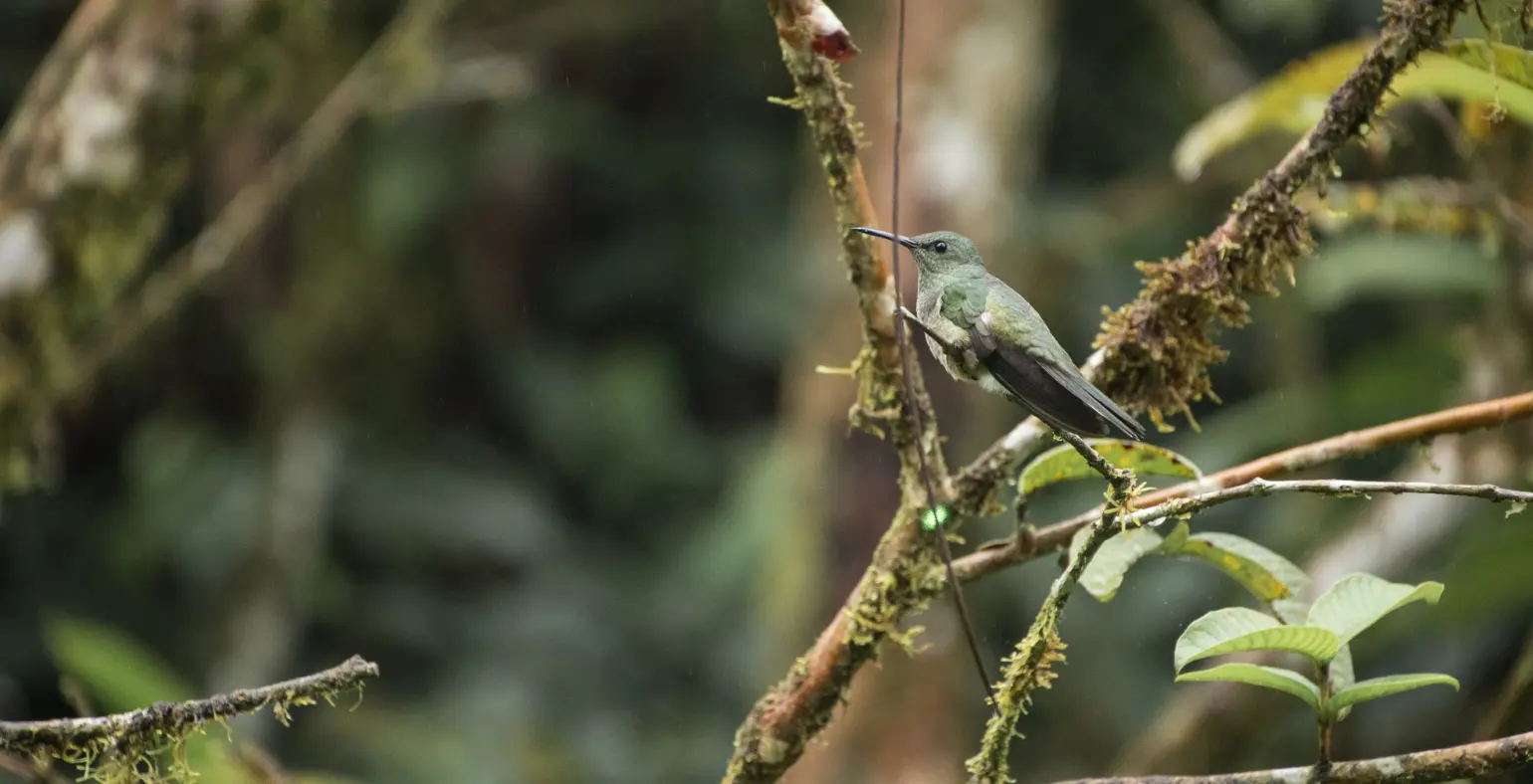
For wildlife lovers, the numbers read like a wish list. More than 900 bird species live here. They range from the shimmering, almost mythical resplendent quetzal in the cloud forests of Monteverde and San Gerardo de Dota, to scarlet macaws along the Pacific coast near Carara and the Osa Peninsula. The country also shelters over 1,200 orchid species among some 12,000 plants. Add more than 50 kinds of hummingbirds and electric-blue morpho butterflies that flash through the undergrowth like living jewels. Six wild cats jaguar, puma, ocelot, margay, jaguarundi, and oncilla pad silently through the forests. Meanwhile, four monkeys (howler, spider, white-faced capuchin, and the tiny squirrel monkey) keep the canopy noisy.
And then there are the sloths. Both two-toed and three-toed species live here. They remain one of the country’s most beloved residents. Costa Rican beaches host nesting sea turtles, including the giant leatherback. The red-eyed tree frog that famous rainforest poster child calls the country home, too. Much of this richness traces back to one quirk of geography. Costa Rica sits on the land bridge that once joined North and South America. So wildlife from two continents meets here. No wonder National Geographic once called the Osa Peninsula’s Corcovado National Park “the most biologically intense place on Earth.”
Volcanoes, Cloud Forests & Turquoise Rivers
Costa Rica’s landscapes feel almost theatrically dramatic. Take Arenal, the country’s most famous volcano. From 1968 until 2010, it ranked among the most active on Earth. Then it quieted down. Today its near-perfect cone presides over hot springs that the volcano below naturally heats. Poás boasts one of the largest active craters in the world, roughly 1.6 kilometers across. Irazú, the tallest volcano at 3,432 meters, serves up views of both coasts on a clear day.
Did you know? Cocos Island, 550 km off Costa Rica’s Pacific coast, is a UNESCO World Heritage Site often said to have inspired the island in “Jurassic Park.”
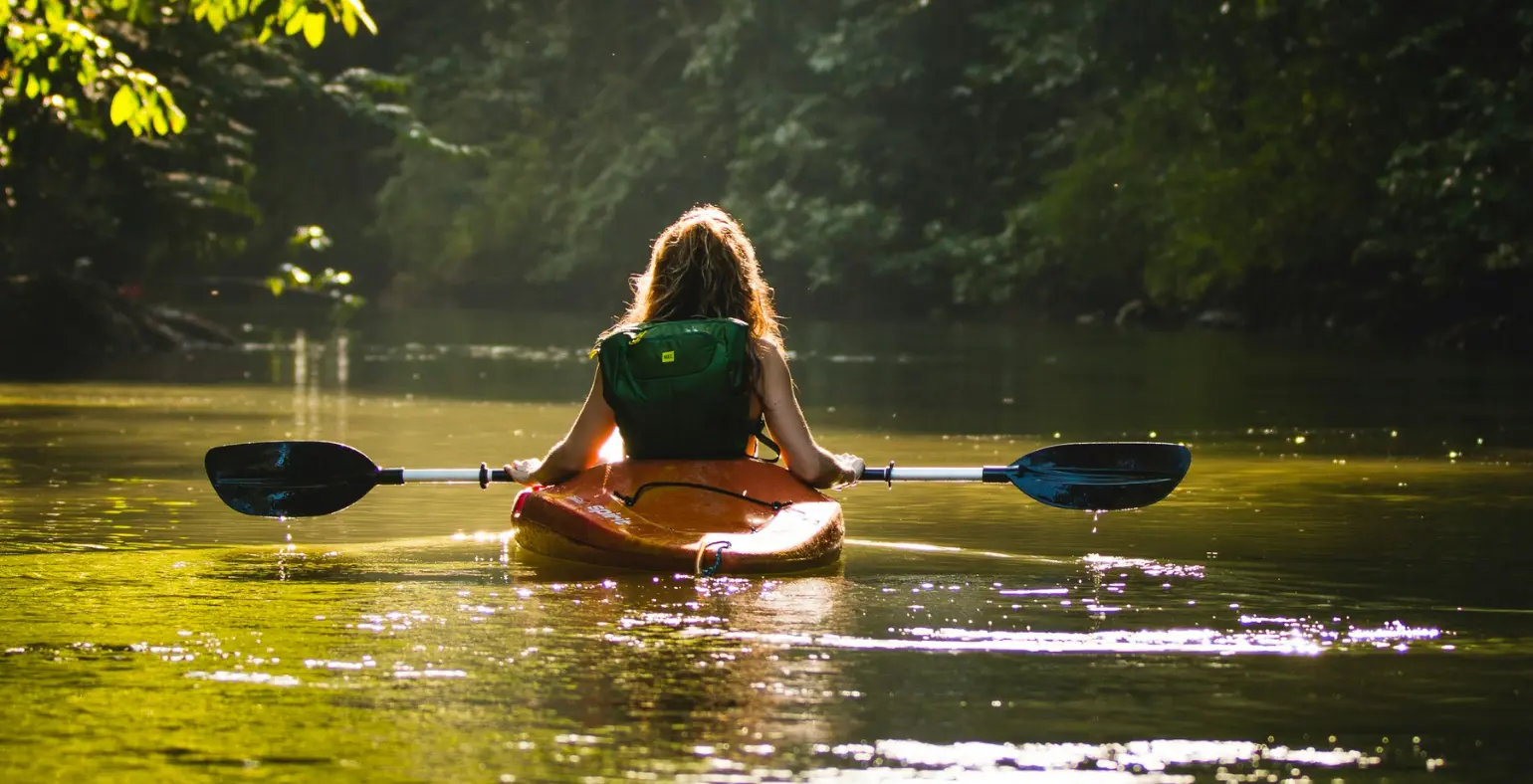
Water shapes the drama, too. In Tenorio Volcano National Park, the Río Celeste runs an unreal turquoise blue a natural optical effect created by minerals in the water. Beaches range from bright white sand to dramatic black sand born of volcanic rock. Over on the Caribbean side, the laid-back town of Puerto Viejo pulses with Afro-Caribbean culture, calypso rhythms, and coconut-rich cooking, while remote Tortuguero reachable only by boat or small plane is so lush it’s nicknamed the “Amazon of Costa Rica.”
The country protects three UNESCO World Heritage Sites, all of them natural: Cocos Island, the Guanacaste Conservation Area, and the Talamanca-La Amistad reserves shared with Panama. Cocos Island, a remote speck some 550 kilometers off the Pacific coast, is even said to have inspired the island in “Jurassic Park.” Closer to the mainland, you can hike the misty trails of the Monteverde cloud forest, watch monkeys on the beaches of Manuel Antonio, chase waterfalls like the towering La Fortuna, or catch some of Central America’s best surf around Nicoya and Santa Teresa.
The Country That Abolished Its Army
Here’s the fact that surprises most first-time visitors: Costa Rica has no army. The country abolished its military in 1948 and redirected that money toward education and healthcare a decision it still celebrates every December 1 as the Day of the Abolition of the Army. It’s often said the country has more teachers than police officers, a fitting legacy for a place that has guaranteed free, obligatory public education since 1869 and now boasts a literacy rate around 98%.
Did you know? Costa Rica abolished its army in 1948 and put the savings into schools and hospitals it’s one of the few countries on Earth with no standing military.
That peaceful streak runs deep. Costa Rica is one of the oldest and most stable democracies in Latin America, having won independence from Spain in 1821. Voting is treated as a civic duty, and election day feels like a national party. Former president Óscar Arias won the Nobel Peace Prize in 1987 for helping end the region’s conflicts, and the country hosts the United Nations-mandated University for Peace. It even abolished the death penalty all the way back in 1877. Add in universal healthcare through the public system Ticos affectionately call “the Caja,” and it’s easy to see why Costa Rica earned the nickname “the Switzerland of Central America.”
The Pura Vida Way of Life
You can’t spend a day in Costa Rica without hearing “Pura Vida.” Literally “pure life,” it works as a greeting, a goodbye, a thank-you, and a quiet philosophy all at once. Locals call themselves Ticos and Ticas, a nickname born from their habit of adding “-tico” to words to make them smaller and more affectionate and they’re consistently ranked among the friendliest, most easygoing people anywhere.
Did you know? The Nicoya Peninsula is one of just five “Blue Zones” in the world places where people regularly live past 90, and sometimes past 100.
That warmth seems to pay off. Costa Rica regularly lands at or near the top of the Happy Planet Index as one of the happiest countries on Earth, and the Nicoya Peninsula is recognized as one of the world’s five “Blue Zones,” regions famous for long, healthy lives. The national average life expectancy hovers around 80 years. Family sits at the center of Tico life, with several generations often living close together, and weekends revolve around fútbol a national obsession that has carried the country to multiple World Cups.
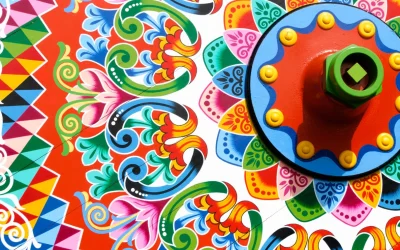
The culture shows up in beautiful details: the brightly painted oxcart, or carreta, is a national symbol recognized by UNESCO; marimba music and folk dance run especially deep in Guanacaste; and every September, independence is celebrated with lantern parades and student marching bands. Just don’t be surprised if things start a little late “Tico time” is a real and gentle thing. Spanish is the official language (the currency, the colón, is even named after Columbus), though English is widely spoken in tourist areas.
Coffee, Casados & Comfort Food
Costa Rica practically runs on coffee and it has for a long time. Coffee was the country’s first major export back in the 1800s and remains world-renowned today; for decades, Costa Rican law allowed only high-quality Arabica beans to be grown, a genuine point of national pride. Mornings usually begin with gallo pinto, a savory tangle of rice and beans served with eggs and tortillas, while lunch often means a casado literally “married” bringing together rice, beans, salad, sweet plantains, and a protein on one generous plate.
Did you know? For decades, Costa Rican law allowed only high-quality Arabica coffee to be grown protecting the reputation of one of the country’s proudest exports.
Beyond the staples, the flavors keep coming. Costa Rica is one of the world’s leading exporters of pineapples and bananas, and its markets overflow with tropical fruit: mango, papaya, guava, soursop, and the spiky local favorite mamón chino (rambutan). Comfort food shows up as olla de carne, a hearty beef-and-vegetable stew, and chifrijo, a beloved bar snack of rice, beans, crispy pork, and pico de gallo. You’ll find tangy Salsa Lizano on nearly every table, agua dulce (a warm drink made from raw cane sugar) in country kitchens, and a rich, Indigenous-rooted chocolate tradition along the Caribbean coast. Our advice? Eat where the locals eat at a soda, one of the small family-run restaurants that serve honest, home-style food and embody real value over price.
Green to the Core: A Conservation Pioneer
Few countries walk the environmental talk like Costa Rica. In 2025, it generated an extraordinary 98.6% of its electricity from renewable sources a mix of water, geothermal, wind, biomass, and solar and it has run on nearly 100% clean electricity for years at a stretch. More than a quarter of the country’s land is protected within national parks and reserves, one of the highest proportions on the planet, and roughly 30% of its marine territory is protected, too.
Did you know? In 2025, Costa Rica produced 98.6% of its electricity from renewable sources and it has reversed deforestation to roughly double its forest cover since the 1980s.
Perhaps most remarkable is the comeback story. After heavy deforestation in the 20th century, Costa Rica reversed course and roughly doubled its forest cover since the 1980s, becoming the first tropical country to halt and reverse deforestation partly by paying landowners to protect and restore forests through a pioneering Payment for Environmental Services program. The country now aims to become one of the world’s first carbon-neutral nations, is phasing out single-use plastics and styrofoam, and helped invent the very model of ecotourism that travelers now seek out worldwide.
Curious & Charming: Fun Facts to End On
Some of Costa Rica’s most charming quirks only reveal themselves once you’re there. In many areas there are no formal street addresses at all directions are given by landmarks, so an address might read “200 meters north of the old fig tree.” Celebrations are punctuated by bombetas, loud sky rockets that boom overhead rather than burst into color.
Did you know? In much of Costa Rica there are no street addresses locals navigate by landmarks, like “200 meters north of the old fig tree.”
The national symbols are wonderfully understated: the national bird is the humble clay-colored thrush (yigüirro), chosen for its lovely song rather than flashy plumage; the national flower is the delicate purple guaria morada orchid; and the national tree is the broad, sprawling Guanacaste. A seasonal breeze known as the viento decembrino signals the start of the holiday season each December, and thanks to the country’s position near the equator, Costa Rica enjoys roughly 12 hours of daylight all year. In the town of Sarchí, artisans still hand-paint the country’s iconic oxcarts, keeping a centuries-old craft alive.
But here’s the fact we hope you’ll remember most: the real Costa Rica isn’t found on a postcard. It’s in a roadside soda, a guide’s story, the hush of a cloud forest at dawn, or a sunrise over the rainforest the version of this country you only discover when you go beyond Instagram.
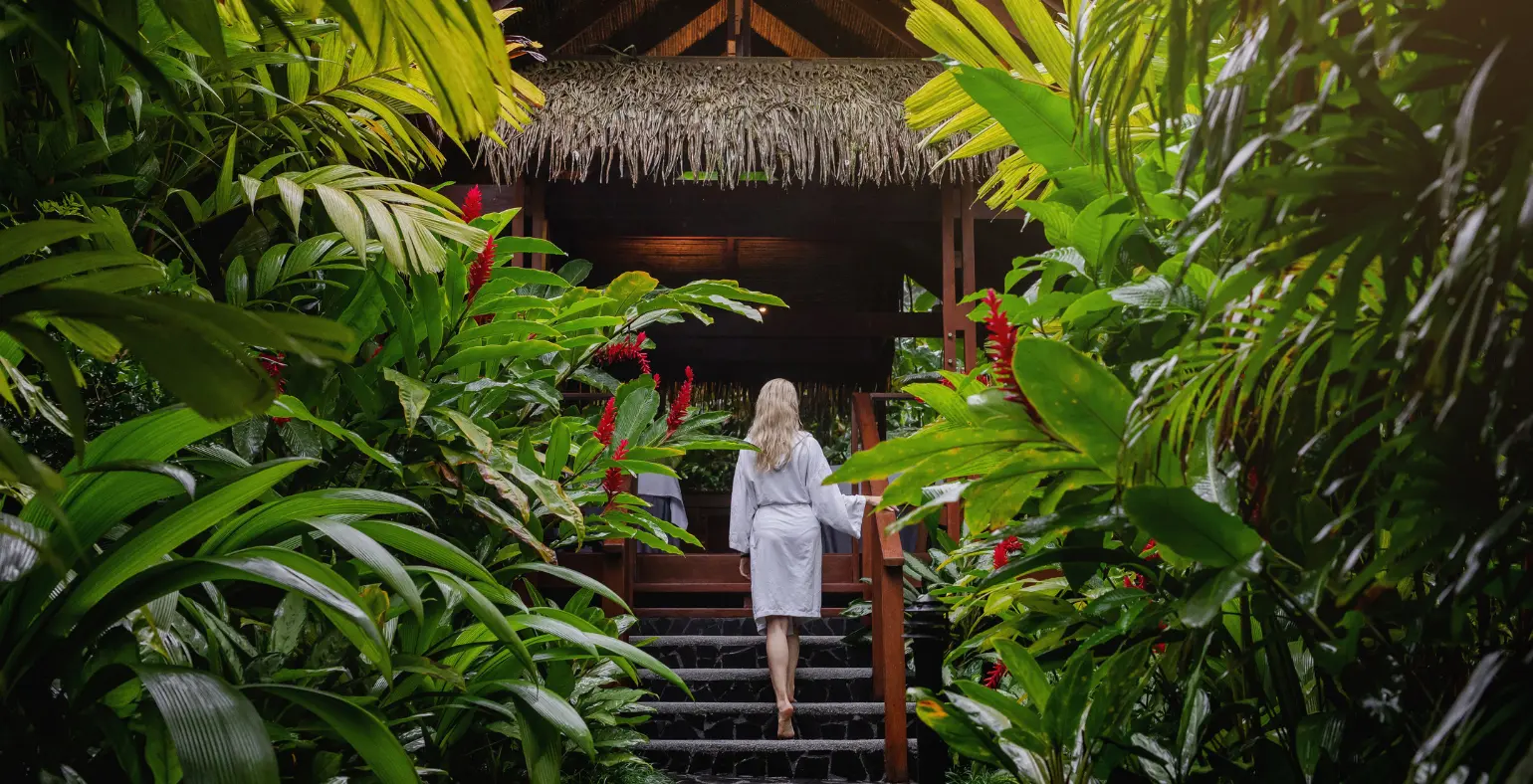
Ready to Experience These Facts for Yourself?
Reading about Costa Rica is one thing feeling the mist of a cloud forest, hearing a howler monkey at dawn, or sharing a casado with a local family is another. At Find My Costa Rica, our local experts craft fully personalized itineraries that take you beyond the highlights to the version of Costa Rica you’ll remember for a lifetime.