Discover Pachamama, the Spiritual Eco-Village in Costa Rica

Have you been looking for the perfect place to unwind? Uplift your spiritual energy in Costa Rica! Founded in December 1999 by Tyohar and fellow travelers, Pachamama is situated in a forested valley on the Pacific Coast of Costa Rica.

It is an oasis of an alternative lifestyle for a profound voyage into healing, self-acceptance, and expansion of consciousness. Pachamama, Costa Rica, is also an intentional and alternative off-grid village where people from different cultural backgrounds live their everyday lives harmoniously with nature.

If you’re seeking spiritual solutions, this can be the perfect place for personal growth and to nurture your spiritual self.
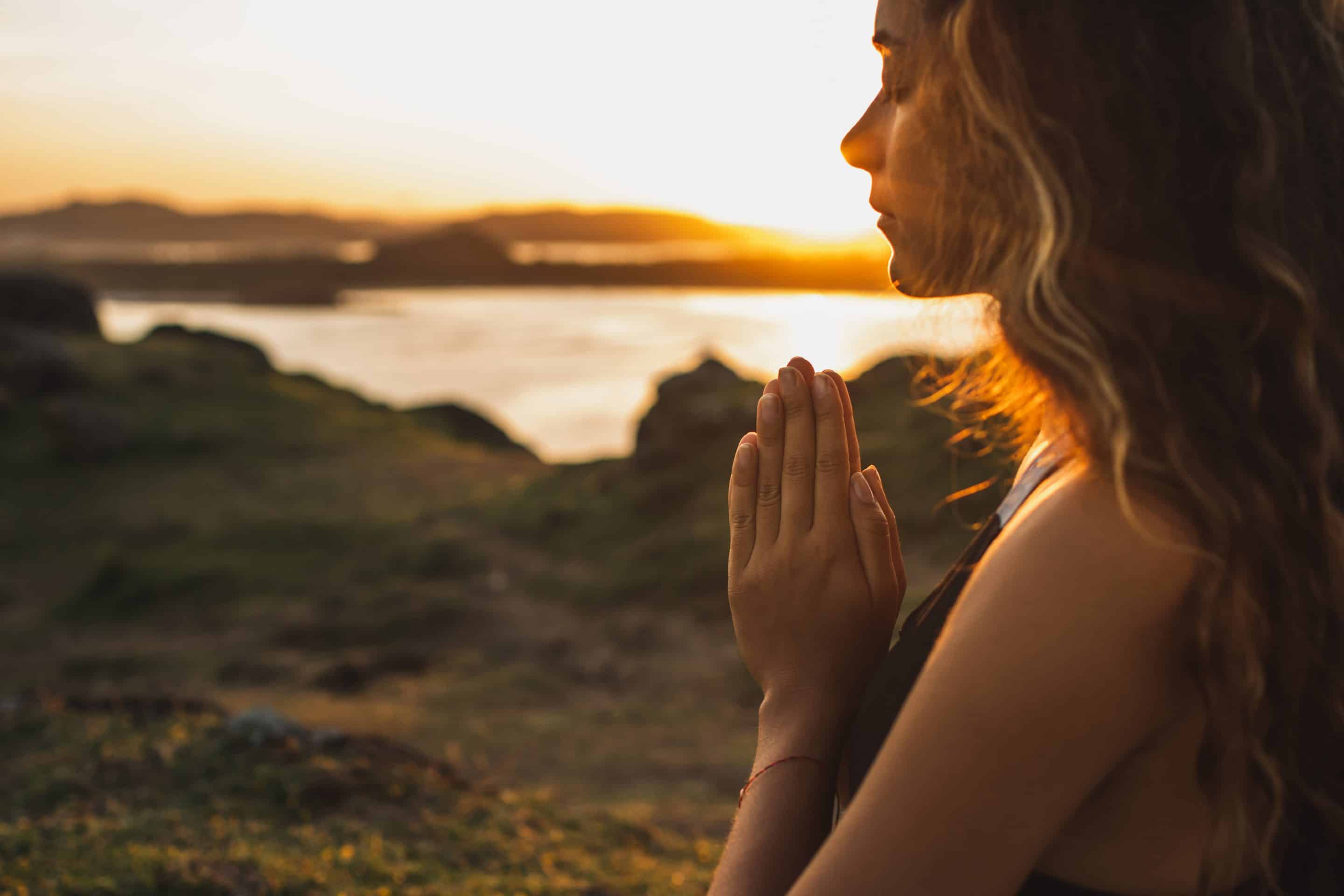
Embark on a soul-enriching journey where spirituality permeates every aspect of your experience.

Why Should I Consider Pachamama for a Wellness Trip?

Beyond a mere destination, Pachamama, Costa Rica, is a vibrant, intentional, off-grid community seamlessly intertwined with nature’s rhythm. This is no conventional haven; it’s a realm where beliefs dissolve, paving the way for each traveler’s personal transformation.

Whether you’re on a quest for spiritual renewal or seeking personal evolution, this haven is your sanctuary. At its core lie the Six Pillars, uniting to create an extraordinary tapestry of existence.

The six pillars of Pachamama’s intentional community


Meditation

At the heart of Pachamama community life lies Silence & Satsang. With daily Silent Sittings and Silent Retreats, you can connect with your inner truth and surrender to the beauty of the present moment. You can explore deeper aspects of your being and connect with the world through transformative Satsangs.


Emotional healing

At Pachamama’s therapy groups, emotional healing takes center stage. By diving into the depths of your being, you’ll confront and release old and suppressed emotions. When you address and heal the wounds of the past, you make the present moment more fulfilling and enriching.


Physical rejuvenation

Pachamama offers Body Cleanse programs that detoxify your body and cleanse your colon and liver. Besides these transformational cleansing practices, they offer daily yoga classes to invigorate your mind and body. They also offer a month-long Yoga Teacher Training to nurture your practice and unlock your potential.


Native ceremonies

Step onto Pachamama’s Red Road, a path of ancestral wisdom. Embrace the unity of all beings and the ancient customs of the Americas’ Indigenous ancestors. The tribe’s sacred practice of honoring creation with songs, dances, and ceremonies forges a bond that transcends borders, weaving everyone into a universal family.


Ecology

Pachamama Eco-Village embodies the essence of a web of interconnected relationships where all living things coexist and depend on one another. This thriving forest ecosystem thrives on biodiversity, and a delicate balance is maintained, resulting in a healthy, sustainable, and self-replicating ecosystem.


Mystical musical journeys

Let your wings soar on transformative Musical Journeys. With the wings of musical masterpieces, we pray, heal, and sing together as a family. In the loving embrace of a community bonded by harmony and love, each journey becomes a chance to experience the healing power of divine vibrations.
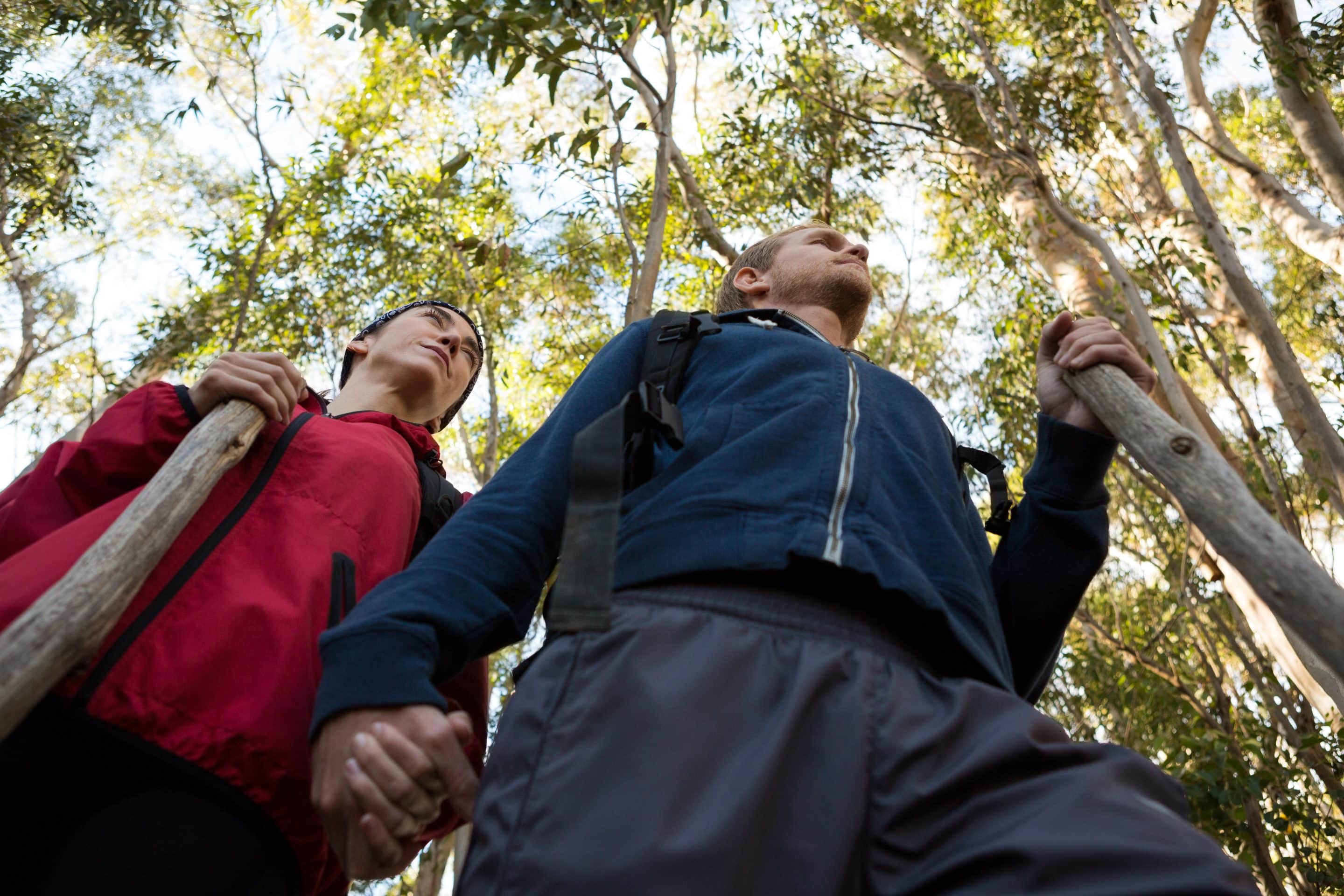
Break free from the monotony of normal existence and embark on a life-changing wellness vacation.

Things to Know About Pachamama Eco-Village

Seeking a retreat that blends the essence of an alternative community, nature, and well-being? Visit the world of Pachamama Eco Village, where ecological responsibility meets emotional healing, set against a backdrop of harmonious living.

Here’s what you need to know:


Activities

  • Eco Community
  • Emotional Healing Workshops
  • Musical Journeys

Housing: Merge with nature

Currently, the village has 90 residences, with 10 more planned, offering a variety of dwelling types, including:

  • Single-family homes
  • Rooms in houses or buildings
  • Unique structures like yurts, treehouses, or tents
  • Naturally built structures

Choose between rental or work-exchange options and become a vital part of a community that owns and cherishes the land.


Membership: Embrace the community

With 90 adult members, 25 child members, and 70 non-member residents, diversity thrives in this village, where women comprise 51-60% and men 41-49% of the community. Visitors are welcomed with open arms, and becoming a new member is just an email away.


Sustainability: Live green

Energy is grid-connected, and food sustainability is a high priority. Currently, 25% of food is produced within the community, with plans to increase it to 90%. You’ll relish organic, GMO-free, primarily vegetarian, and vegan meals, often shared 2-5 times weekly.


Lifestyle: Rich and fulfilling

Many common facilities await, including gardens, greenhouses, libraries, a swimming pond, and more. Internet? Yes, and it’s fast! The village embraces various spiritual practices, though spirituality is not enforced. Education and healthcare are tailored to individual needs.

Want to Experience Pachamama?

Pachamama stands as the ultimate wellness destination in Costa Rica, offering a powerful gateway to profound transformative growth. Nestled within the ecological and spiritual community of Pachamama, this enchanting retreat center is a haven for healing, self-acceptance, and the expansion of consciousness.

Unlike traditional belief systems, Pachamama embraces a different approach, providing a safe space for each traveler to embark on a journey of shedding old layers, transcending limitations, and discovering inner wholeness.

At Find My Costa Rica, we aim to help you explore places in Costa Rica that leave you amazed by our country’s natural beauty. If you’re looking for outer destination experiences, let us help you! Explore our blogs for exciting opportunities, or contact Find My Costa Rica’s local guides!
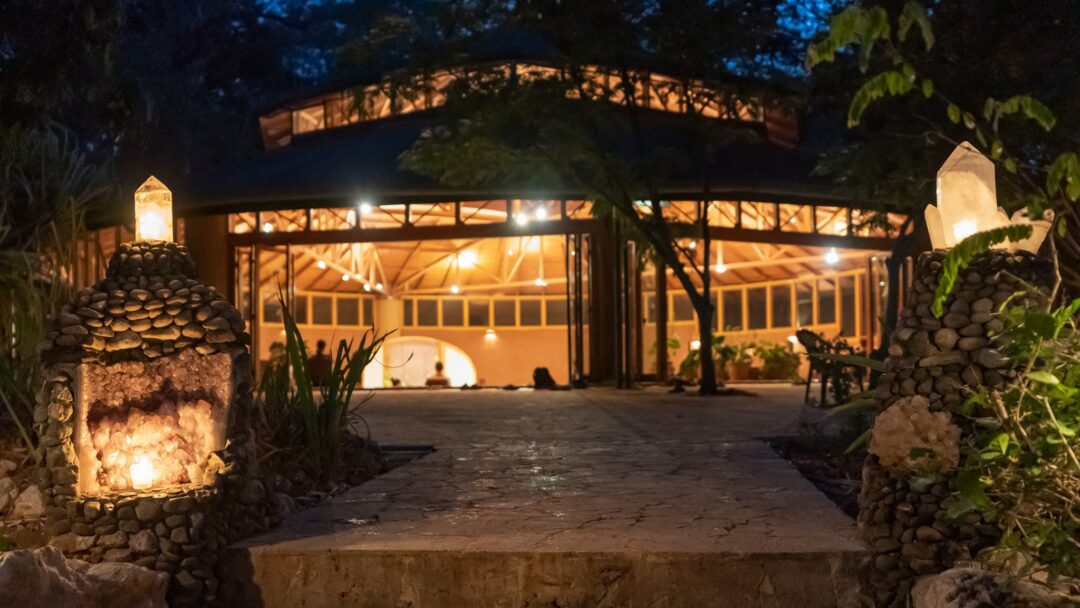
Pachamama, Costa Rica, is the perfect place to experience immersive silent retreats.

FAQ

What does Pachamama mean?

Pachamama is used in indigenous Andean cultures, particularly in Peru, Bolivia, and Ecuador. It refers to the concept of “Mother Earth” or “Mother Universe.”


Is the village child-friendly?

Absolutely! The community comprises both adult and child members, making it family-friendly.


Is the food organic and vegan-friendly?

Yes, meals are organic and GMO-free and cater to mostly vegetarian and vegan diets. Shared meals occur 2-5 times a week.


Can I visit without becoming a member?

Absolutely! Visitors are warmly welcomed. It’s recommended to check their yearly schedule to plan your visit.


Is there internet connectivity?

Yes, the community provides fast internet, ensuring you stay connected.
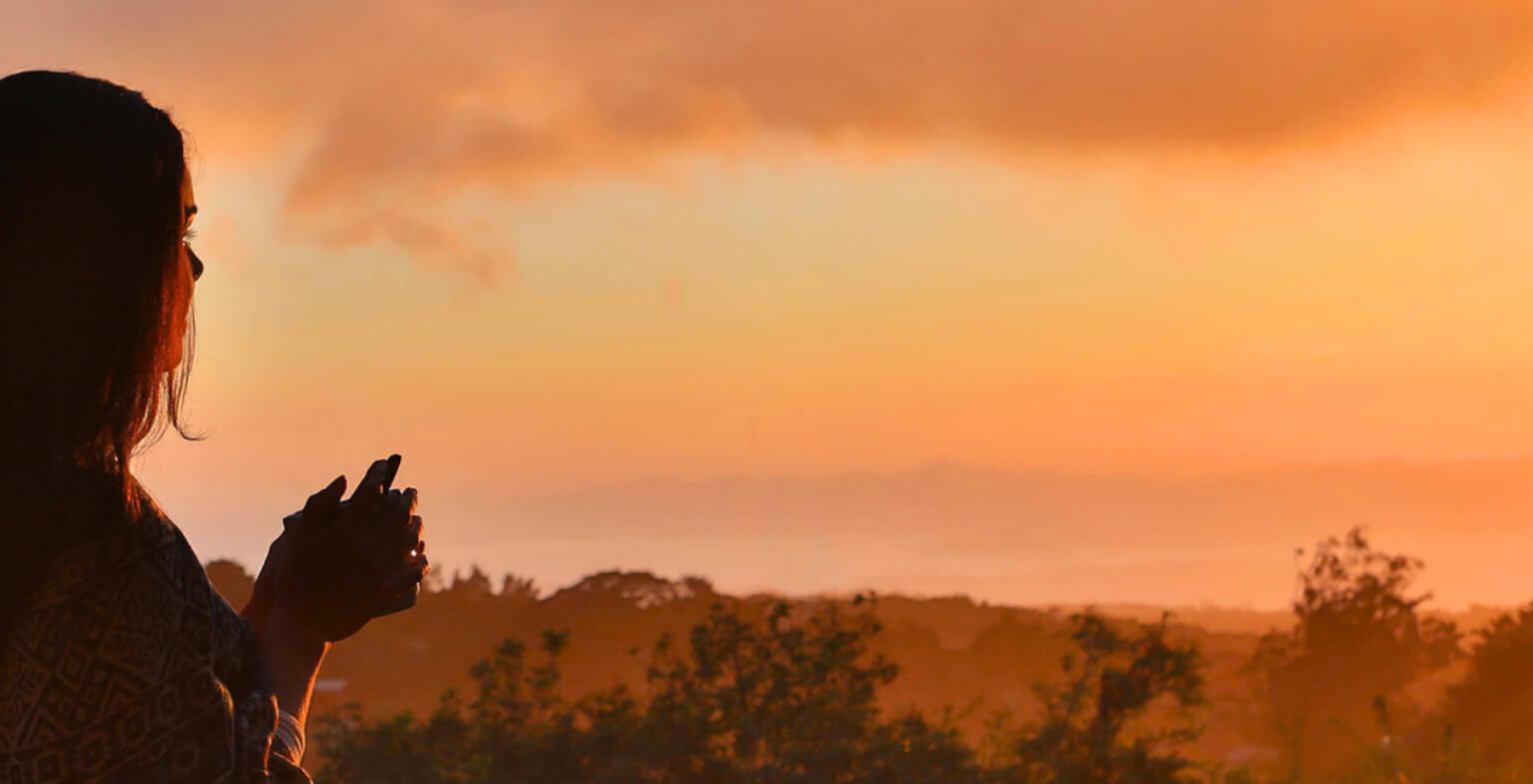


The rainy season is genuinely wonderful for travelers who prepare for it. Crowds are smaller, forests are greener, and waterfalls are at their most dramatic. It rains hard, but usually in defined afternoon windows — mornings are often clear.

Want the full picture? Our guide to Costa Rica’s rainy season covers what to expect region by region.

What to pack by activity

Do not repeat your master checklist here these are the additions that matter for specific trip types. Grab what applies to your itinerary and leave the rest.

Beach and water sports

  • Rash guard sun protection in the water is more effective than sunscreen alone
  • Waterproof phone case or action cam housing
  • Reef-safe sunscreen mandatory in marine reserves; this is not a suggestion
  • Water shoes for rocky beaches and shallow reef walks

Hiking and national parks

  • Trekking poles especially useful on steep, wet trails in Corcovado or Chirripó
  • Gaiters for deep mud on rainy season trails
  • Extra headlamp batteries early morning wildlife walks start before dawn
  • Microfiber towel compact and dries fast between hikes

Wildlife watching

  • Binoculars note that most FMCR partner guides carry loaners, so check with your guide before packing yours
  • Zoom lens (200mm or more) for photographing birds and monkeys at distance
  • Early-morning layers wildlife is most active before 8am when temperatures are still low
  • Silent, dark-colored clothing neon colors startle wildlife

City and culture (San José and beyond)

  • Money belt or anti-theft bag  pickpocketing exists in busy market areas
  • Light cardigan or blazer for nicer restaurants
  • Comfortable walking shoes  cobblestones in Barrio Amón are tough on sandals
Traveler enjoying a Costa Rica sunset view from a scenic overlook

What NOT to pack for Costa Rica

This is the section most travelers wish they had read first. Overpacking is the number one complaint we hear from guests on their first day. Less really is more when you are moving between regions.

Jeans: They never fully dry in the humidity. Swap them for quick-dry pants or shorts and thank yourself on day two.

High heels or dress shoes: You will not need them. Even nice restaurants in Costa Rica are casual. One pair of clean trail sandals does the job.

Too many shoes: Three pairs maximum: waterproof sandals, trail shoes, and flip flops. Shoes are heavy and take space.

Non-reef-safe sunscreen: It is prohibited in several reserves and harmful to marine ecosystems. Bring reef-safe from home. Brands like Raw Elements and Badger are good options.

A hair dryer: Almost every hotel and lodge provides one. Leave yours at home.

Valuables you cannot afford to lose: Leave the expensive jewelry and the laptop you need for work. Use your trip as a proper break.

Cotton everything:Cotton absorbs moisture and stays wet all day. Pack synthetics or merino for everything except maybe one casual outfit.

Practical tips for packing smart: documents, money, and tech

Your passport must be valid for the full duration of your trip.

Customs also requires a tiquete de salida proof of onward travel out of Costa Rica. This can be a return flight or a bus ticket to a neighboring country. Have it printed or easily accessible on your phone. See Costa Rica national park regulations via SINAC for entry requirements at protected areas.

Money

  • Colones (CRC) are the local currency; USD is widely accepted but change is given in colones
  • ATMs are available in most towns withdraw colones there rather than exchanging at the airport, where rates are poor
  • Visa and Mastercard accepted at most hotels, restaurants, and tour operators; carry some cash for small sodas and local markets

Health prep

Check the CDC health recommendations for Costa Rica before your trip they cover vaccines, repellent, and food safety guidance. Travel insurance is not required by law, but we strongly recommend it for anyone doing adventure activities.

Tech

  • Costa Rica runs on 110V/60Hz US travelers need no adapter or converter
  • Cell coverage is solid in tourist areas; download offline maps before heading into remote zones
  • WhatsApp is the primary communication tool in Costa Rica make sure it is installed and working


Tropical hot springs surrounded by rainforest in Costa Rica
Do I need a visa to visit Costa Rica?

US, Canadian, and UK citizens do not need a visa to enter Costa Rica for stays up to 90 days. Your passport must be valid for the full duration of your trip. You will need to show a return or onward ticket at customs.

Is tap water safe to drink in Costa Rica?

Yes in most areas. Tap water in San José, Guanacaste, La Fortuna, and other major tourist regions is safe to drink and often tastes good. In very remote or rural communities, confirm locally before drinking. Carry a reusable bottle and refill with confidence in most places.

What is the best luggage for a Costa Rica trip?

A soft-sided rolling suitcase works well if you are staying in one or two places. If you are moving between regions beach, rainforest, and volcano a mid-size backpack (40–50L) is far more practical. It fits in small boats, shuttles, and keeps your hands free on trails. We see guests arrive with giant hard-shell suitcases and spend the trip wishing they had packed a bag.

Do I need to bring bug spray to Costa Rica?

Yes. We recommend a picaridin-based repellent like Sawyer 20% over DEET it works just as well in tropical conditions, does not damage gear or plastics, and has no harsh smell. Apply it especially at dawn and dusk during the rainy season.

You may also like

Facts About Costa Rica Every Traveler Should Know

Facts About Costa Rica Every Traveler Should Know

Looking for the most interesting facts about Costa Rica before you visit? You’ve come to the right place. We’re a destination management company based right here in Costa Rica, and we live these facts about Costa Rica every day. The volcano smoking on the horizon....

Costa Rica Packing List 2026: Everything You Need for Your Trip

Costa Rica Packing List 2026: Everything You Need for Your Trip

Here is a packing mistake almost every traveler makes on their first Costa Rica trip: they pack too many shoes. Or they forget reef-safe sunscreen which is not just a recommendation but a requirement in several national parks and marine reserves. Either way, they...

The Real Meaning of Costa Rica’s Iconic Phrase “Pura Vida”

The Real Meaning of Costa Rica’s Iconic Phrase “Pura Vida”

If you’ve ever interacted with a Tico (a native Costa Rican) or researched this tropical paradise, you’ve undoubtedly come across two words: “Pura Vida.” But what is the real Pura Vida meaning? Is it just a slogan, or something deeper? What Does Pura Vida Mean? (The...

Shopping cart0
There are no products in the cart!
Continue shopping
0