A Glimpse into the World of Movies and TV Shows Filmed in Costa Rica

Lights, camera, action! Are you a movie buff looking for your next adventure? Look no further than Costa Rica, a country that has been the backdrop for many international and national films.

Despite not having a large film industry, Costa Rica’s natural wonders and diverse landscapes have attracted the attention of many directors. Join us on this cinematic adventure as we examine some of the movies made in Costa Rica to get inspiration for your next Costa Rica vacation.
Want to see a Costa Rican film?

Famous Movies Filmed in Costa Rica

Costa Rica has captured the imagination of directors because of its natural beauty and diversity of sites and landscapes. Filming in the country has been a form of promotion for the country, becoming a reference point for other film producers and those who wish to visit this paradise in Central America.

Spy Kids 2. Island of Lost Dreams

This movie was released in 2002 and has been a huge blockbuster favorite among kids and adults alike. The fast-paced action is addicting, so of course, they chose an active, adventurous country to help set the stage. Costa Rica’s most popular park, Manuel Antonio National Park, was chosen as the Island of Lost Dreams. 

The Lost World: Jurassic Park

Made in 1997, and the sequel to the initial film includes some shots in Costa Rica. The film stars Jeff Goldblum, Julianne Moore, and Pete Postlethwaite and was directed by Steven Spielberg. Jurassic Park II also made use of the Costa Rican rainforest to represent the made-up island of Isla Sorna.

Congo (1995)

Frank Marshall directed the film, which featured Tim Curry and Laura Linney. The tropical rainforests of Costa Rica served as a credible stand-in for the Congo in this action flick set in Africa’s jungles.

The Blue Butterfly

It was shot in 2004 and is one of the most intriguing movies about Costa Rica, based on a true story. As the film focuses on the stunning landscapes and distinctive wildlife of Costa Rica, it serves as a good introduction to the country before a visit. You may see the location where some of the scenes were shot while in Puerto Viejo, Limon.

Suicide Squad

Very few people know this 2016 superhero action film was shot in Costa Rica. A secret government agency recruits some of the most dangerous super-villains to form a defensive task force.

At the beginning of the film, during the introduction of archeologist June Moone, played by Cara Delevingne, all the background shots are views of Costa Rica. 

After Words

This movie isn’t just filmed in Costa Rica; it’s actually set in this beautiful tropical country as well. Academy Award winner Marcia Harden from 50 Shades of Grey stars in this tropical flick. A librarian facing a mid-life crisis travels to Costa Rica to escape routine life and find herself, finding a friend in the process. 

Basic

In 2003, a DEA agent searches for a missing legendary ranger, and his investigation takes him through some wild Costa Rican surroundings. Starring John Travolta and Samuel L. Jackson, this fast-paced movie is as wild and genuine as the country it was filmed in.

After Earth

The 2013 film narrates a science fiction tale starring Will Smith and Jaden Smith and was shot entirely in Costa Rica. If you’re a fan of the La Fortuna area, this is the movie for you. Be ready for special effects and apocalyptic shots, but the beauty of the country still shines through.

If you’re traveling to Costa Rica, try to identify which scenes were filmed there without consulting the Internet. You’ll be surprised by the amazing scenarios you’ll find here!
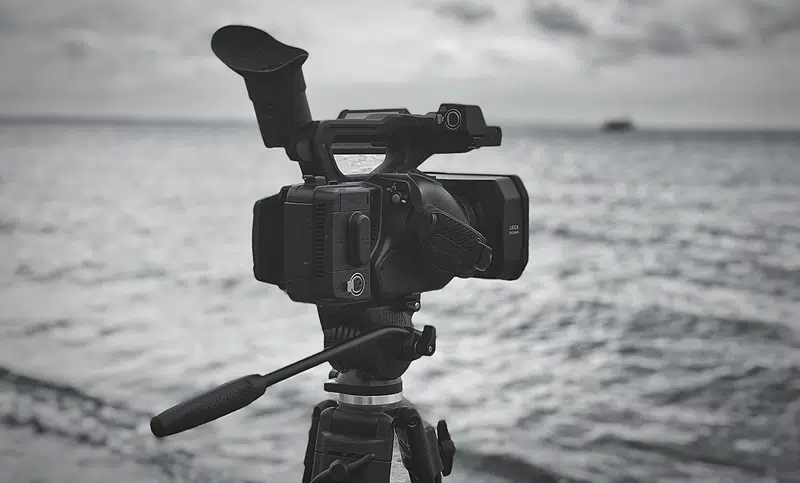
Travel to Costa Rica through movies and find joy and inner peace.

Popular TV Shows Filmed in Costa Rica

Costa Rica’s natural beauty and diversified geography have made it a popular destination not just for filmmakers but for TV producers as well. The lush jungles, gorgeous beaches, and steep mountains of the country have provided the perfect background for a number of successful TV shows.

Naked and Afraid

This popular reality show takes survival to the extreme by dropping two strangers in a remote location with no food, water, or clothing. The contestants must use their survival skills to hold out for 21 days in the wilderness. Costa Rica’s challenging terrain and unpredictable weather make it the perfect location for this show.

Survivor

This season of Survivor aired from June 22nd to July 13th, 2013, and was the second season of the Survivor series. This long-running reality show has been set in many exotic locations over the years, including Costa Rica.

Contestants must outwit, outplay, and outlast each other while living in a remote location. Costa Rica’s beaches and jungles provide a stunning and challenging setting for the show’s intense challenges.

Dual Survival

Filmed in 2015, Matt and Joe face up against heavy downpours, poisonous insects, and raging rapids in the Costa Rican rainforest, far from any civilization. After failing to be rescued, they turn to a combination of survival skills and native knowledge to ensure their own safety.

Costa Rica’s diverse landscapes and challenging terrain make it an ideal location for the show’s unique challenges.

I’m a Celebrity…Get Me Out of Here!

This British reality show takes celebrities out of their comfort zones and drops them into the jungle, where they must survive on their own and complete challenges to earn food and other comforts.

Costa Rica’s lush rainforests and exotic wildlife make it the perfect stage for this thrilling competition. This country was the perfect set for the American version in 2009.

Costa Rica is the perfect place to make fantastic movies and TV shows. Its beauty and lovely people are the most attractive characteristics for filmmakers.

Ready to have a cinematic experience in Costa Rica? Then, get in contact with Find My Costa Rica to learn more about our tours and packages!
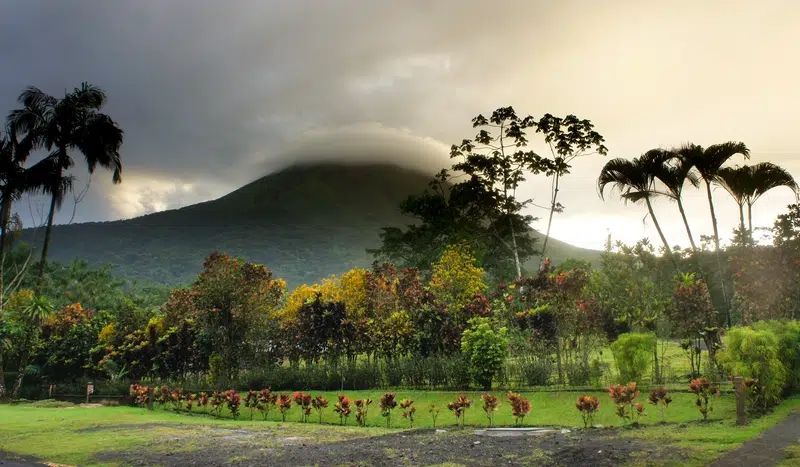
Visit Costa Rica and enjoy exceptional film spots on planet Earth.

FAQ:

  1. What makes Costa Rica an attractive location for filming movies and TV shows?

Filmmakers are drawn to Costa Rica for its diversified landscape and plenty of scenic locations. Filmmakers can pick from a wide choice of breathtaking natural settings, including tropical rainforests, beaches, mountains, and volcanoes.

In addition to its booming film industry and relatively inexpensive cost of living, Costa Rica also benefits from a stable political environment under the Costa Rican government.

  1. Can film tourists visit locations where movies and TV shows were filmed in Costa Rica?

Yes, film tourists can visit locations where movies and TV shows were filmed in Costa Rica. Many of these locations have become popular tourist destinations in their own right, offering visitors the chance to see where their favorite films and shows were made.

For example, Manuel Antonio National Park, which was featured in the film The Blue Butterfly, is now a popular destination for nature lovers and film enthusiasts alike. Additionally, many tour companies offer movie and TV location tours, taking visitors to some of the most iconic filming locations in the country.
The rainy season is genuinely wonderful for travelers who prepare for it. Crowds are smaller, forests are greener, and waterfalls are at their most dramatic. It rains hard, but usually in defined afternoon windows — mornings are often clear.

Want the full picture? Our guide to Costa Rica’s rainy season covers what to expect region by region.

What to pack by activity

Do not repeat your master checklist here these are the additions that matter for specific trip types. Grab what applies to your itinerary and leave the rest.

Beach and water sports

  • Rash guard sun protection in the water is more effective than sunscreen alone
  • Waterproof phone case or action cam housing
  • Reef-safe sunscreen mandatory in marine reserves; this is not a suggestion
  • Water shoes for rocky beaches and shallow reef walks

Hiking and national parks

  • Trekking poles especially useful on steep, wet trails in Corcovado or Chirripó
  • Gaiters for deep mud on rainy season trails
  • Extra headlamp batteries early morning wildlife walks start before dawn
  • Microfiber towel compact and dries fast between hikes

Wildlife watching

  • Binoculars note that most FMCR partner guides carry loaners, so check with your guide before packing yours
  • Zoom lens (200mm or more) for photographing birds and monkeys at distance
  • Early-morning layers wildlife is most active before 8am when temperatures are still low
  • Silent, dark-colored clothing neon colors startle wildlife

City and culture (San José and beyond)

  • Money belt or anti-theft bag  pickpocketing exists in busy market areas
  • Light cardigan or blazer for nicer restaurants
  • Comfortable walking shoes  cobblestones in Barrio Amón are tough on sandals
Traveler enjoying a Costa Rica sunset view from a scenic overlook

What NOT to pack for Costa Rica

This is the section most travelers wish they had read first. Overpacking is the number one complaint we hear from guests on their first day. Less really is more when you are moving between regions.

Jeans: They never fully dry in the humidity. Swap them for quick-dry pants or shorts and thank yourself on day two.

High heels or dress shoes: You will not need them. Even nice restaurants in Costa Rica are casual. One pair of clean trail sandals does the job.

Too many shoes: Three pairs maximum: waterproof sandals, trail shoes, and flip flops. Shoes are heavy and take space.

Non-reef-safe sunscreen: It is prohibited in several reserves and harmful to marine ecosystems. Bring reef-safe from home. Brands like Raw Elements and Badger are good options.

A hair dryer: Almost every hotel and lodge provides one. Leave yours at home.

Valuables you cannot afford to lose: Leave the expensive jewelry and the laptop you need for work. Use your trip as a proper break.

Cotton everything:Cotton absorbs moisture and stays wet all day. Pack synthetics or merino for everything except maybe one casual outfit.

Practical tips for packing smart: documents, money, and tech

Your passport must be valid for the full duration of your trip.

Customs also requires a tiquete de salida proof of onward travel out of Costa Rica. This can be a return flight or a bus ticket to a neighboring country. Have it printed or easily accessible on your phone. See Costa Rica national park regulations via SINAC for entry requirements at protected areas.

Money

  • Colones (CRC) are the local currency; USD is widely accepted but change is given in colones
  • ATMs are available in most towns withdraw colones there rather than exchanging at the airport, where rates are poor
  • Visa and Mastercard accepted at most hotels, restaurants, and tour operators; carry some cash for small sodas and local markets

Health prep

Check the CDC health recommendations for Costa Rica before your trip they cover vaccines, repellent, and food safety guidance. Travel insurance is not required by law, but we strongly recommend it for anyone doing adventure activities.

Tech

  • Costa Rica runs on 110V/60Hz US travelers need no adapter or converter
  • Cell coverage is solid in tourist areas; download offline maps before heading into remote zones
  • WhatsApp is the primary communication tool in Costa Rica make sure it is installed and working


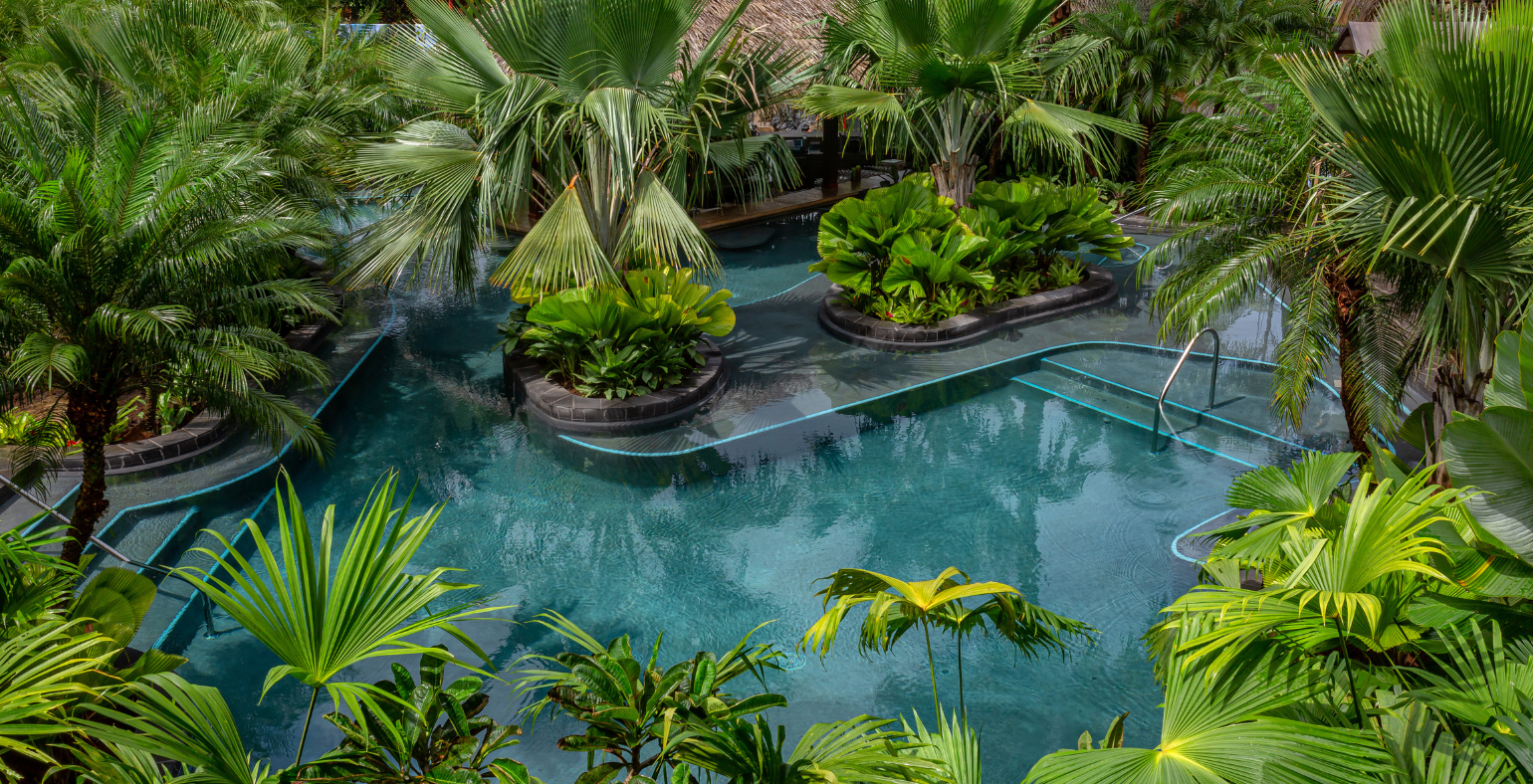
Tropical hot springs surrounded by rainforest in Costa Rica
Do I need a visa to visit Costa Rica?

US, Canadian, and UK citizens do not need a visa to enter Costa Rica for stays up to 90 days. Your passport must be valid for the full duration of your trip. You will need to show a return or onward ticket at customs.

Is tap water safe to drink in Costa Rica?

Yes in most areas. Tap water in San José, Guanacaste, La Fortuna, and other major tourist regions is safe to drink and often tastes good. In very remote or rural communities, confirm locally before drinking. Carry a reusable bottle and refill with confidence in most places.

What is the best luggage for a Costa Rica trip?

A soft-sided rolling suitcase works well if you are staying in one or two places. If you are moving between regions beach, rainforest, and volcano a mid-size backpack (40–50L) is far more practical. It fits in small boats, shuttles, and keeps your hands free on trails. We see guests arrive with giant hard-shell suitcases and spend the trip wishing they had packed a bag.

Do I need to bring bug spray to Costa Rica?

Yes. We recommend a picaridin-based repellent like Sawyer 20% over DEET it works just as well in tropical conditions, does not damage gear or plastics, and has no harsh smell. Apply it especially at dawn and dusk during the rainy season.

You may also like

Facts About Costa Rica Every Traveler Should Know

Facts About Costa Rica Every Traveler Should Know

Looking for the most interesting facts about Costa Rica before you visit? You’ve come to the right place. We’re a destination management company based right here in Costa Rica, and we live these facts about Costa Rica every day. The volcano smoking on the horizon....

Costa Rica Packing List 2026: Everything You Need for Your Trip

Costa Rica Packing List 2026: Everything You Need for Your Trip

Here is a packing mistake almost every traveler makes on their first Costa Rica trip: they pack too many shoes. Or they forget reef-safe sunscreen which is not just a recommendation but a requirement in several national parks and marine reserves. Either way, they...

The Real Meaning of Costa Rica’s Iconic Phrase “Pura Vida”

The Real Meaning of Costa Rica’s Iconic Phrase “Pura Vida”

If you’ve ever interacted with a Tico (a native Costa Rican) or researched this tropical paradise, you’ve undoubtedly come across two words: “Pura Vida.” But what is the real Pura Vida meaning? Is it just a slogan, or something deeper? What Does Pura Vida Mean? (The...

Shopping cart0
There are no products in the cart!
Continue shopping
0