Costa Rica’s national parks boast a wealth of biodiversity, making them a dream for nature enthusiasts. At Find My Costa Rica, we’ve gathered a list of the ten most popular national parks in Costa Rica to get you started on your next dream vacation.
Let’s get right into it!

The Most Popular National Parks & Reserves in Costa Rica
Did you know Costa Rica has over 28 national parks? Three of the 28 have been designated UNESCO World Heritage Sites, underscoring their global importance.
Moreover, around 28% of Costa Rica’s land is dedicated to parks and nature reserves. This proactive approach ensures the protection of its diverse ecosystems and abundant wildlife.
Here’s a closer look at Costa Rica’s best national parks:
-
Manuel Antonio National Park
Among the most popular national parks in Costa Rica is Manuel Antonio National Park, a tropical paradise located on the Central Pacific Coast. In 2011, Forbes celebrated Manuel Antonio as one of the world’s most stunning national parks, and with good reason.
As one of Costa Rica’s smallest yet most visited national parks, Manuel Antonio offers a stunning blend of impressive landscapes, white sand beaches, and abundant wildlife.
Highlights & Activities:
- Hiking: The park offers several hiking trails suitable for all levels.
- Water activities: The clear waters allow you to practice snorkeling and sea kayaking.
- Wildlife tours: Guided tours provide a unique opportunity to learn about the park’s wildlife.
- Beaches: The park is home to some of Costa Rica’s most stunning beaches, with Manuel Antonio Beach being the most popular.
- Park popularity: As a top-visited national park, arriving early or buying tickets online through SINAC (National System of Conservation Areas) is prudent to ensure a smooth visit.
-
Corcovado National Park
Corcovado National Park is the jewel of Costa Rica, covering nearly half of the untouched Osa Peninsula. It offers an unparalleled glimpse into the vast biodiversity of the region and has earned the title of “the most biologically intense place on earth” by National Geographic.
You can expect to see wild cats and marine species and tap into eleven different habitats. Nearby, Drake Bay is a gateway to this national park and the South Pacific Coast.
Highlights & Activities:
- Nature trails: Cross the park’s hiking trails, observing its rich biodiversity.
- Explore the surrounding areas: Visit Drake Bay, Puerto Jimenez, and Rancho Quemado.
- Visit Matapalo: The area is known for its environmental initiatives and pristine beaches, which have been awarded the Blue Ecological Flag for conservation efforts.
- Marine life encounters: You may see sea turtles embarking on their yearly nesting ritual. Additionally, you can experience whale and dolphin watching while diving or practicing snorkeling.
-
Tortuguero National Park
Tucked away on the Caribbean Coast, far from the capital city of San Jose, Tortuguero National Park boasts pristine beaches and mangrove forests. For nature lovers, visiting Costa Rica would be incomplete without exploring parks like Tortuguero.
Costa Rica’s dedication to its national system of conservation areas is evident in Tortuguero National Park. As one of the country’s most beautiful national parks, it embodies the essence of a tropical paradise, promising an unforgettable experience.
Highlights & Activities:
- Turtle nesting watch: During nesting season, the beaches become vital for various marine species, particularly the endangered sea turtles.
- Boat and kayak tours: The best way to explore Tortuguero and its surroundings is by boat or kayak.
- Forest trails: Take advantage of the park’s hiking trails and closely explore its terrestrial biodiversity.
-
Arenal Volcano National Park
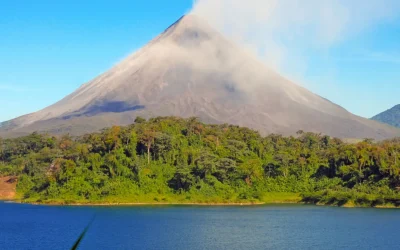
Situated in the central part of Costa Rica, Arenal Volcano National Park is among the country’s most iconic conservation areas. This park is part of the Arenal Huetar Norte Conservation Area and protects eight of the 12 life zones in Costa Rica.
Highlights & Activities:
- Hot springs: The park is home to geothermal hot springs because of its volcanic activity.
- Hiking trails: Arenal’s network of hiking trails weaves through a dry forest and rainforest.
- Bird-watching: Most of the 850 species identified in Costa Rica can be spotted here.
-
Rincon de la Vieja National Park
Rincon de la Vieja National Park, located in Costa Rica’s Northwest region of Guanacaste, showcases the diversity of Costa Rica’s national parks. You can quickly transition from a dry forest to a cloud forest within its boundaries.
Highlights & Activities:
- Hiking: Some trails provide panoramic views of the Pacific Ocean and the Caribbean Sea.
- Volcanic activity: You can observe boiling mud, steam vents, and geysers directly from the active Rincón de la Vieja and Santa María volcanoes.
- Bird-watching: The park is home to over 300 bird species.
- Photography: Capture varied landscapes and volcanic vistas.
-
Tenorio Volcano National Park
Located approximately 26 miles northeast of La Fortuna in Guanacaste Province, this park stands as one of the pinnacle attractions among the various national parks in Costa Rica.
The park boasts the Rio Celeste, a pristine stream exhibiting a mesmerizing turquoise color. The river owes its distinctive color to the emission of sulfur from the Tenorio Volcano and the subsequent precipitation of calcium carbonate.
Highlights & Activities:
- Hiking: The park’s well-maintained trails, such as the Lago Las Dantas Trail, promise an adventurous hike.
- Wildlife watching: You can spot toucans, monkeys, reptiles, and amphibians.
- Explore the Rio Celeste waterfall: Colored naturally by minerals from converging rivers, the Rio Celeste Waterfall is a visual spectacle.
- Thermal springs & geysers: The park remains geologically active beyond its dormant volcano. It features geysers, evidencing the continuing underground activity.
- Nearby attractions: Explore the Monteverde Cloud Forest Reserve, located just a short drive away.
-
Irazu Volcano National Park
Irazu Volcano National Park is a breathtaking wonder and one of the most beautiful national parks in the country because it offers an up-close experience of volcanic activity.
This national park in Costa Rica has a diverse array of ecosystems. As you ascend the volcano, the lush rainforest transitions into cloud forests and eventually to a moonlike landscape near the summit.
Activities:
- Hiking: The park has several hiking tracks, with the main trail leading to the summit. You can see the stunning landscapes of the Diego de la Haya crater and its unique emerald-green lake.
- Nature watching: Watch for spider monkeys and abundant bird species.
- Photography: You’ll find ample photographic opportunities with the ever-changing mists, stark volcanic landscapes, and lush vegetation.
-
Poás Volcano National Park
Poas Volcano National Park attracts visitors from around the globe. With its mighty active volcano, cloud forests, and vast biodiversity, it ranks among the most popular national parks in this Central American country.
A trip to this national park in Costa Rica promises an encounter with ample wildlife. You’ll have many opportunities to spot numerous bird species and spider monkeys.
Highlights and Activities:
- Hiking: There are multiple pathways leading up to the rim of the volcano.
- Photography: You’ll capture breathtaking landscapes.
- Wildlife watching: With its diverse fauna, Poás offers plenty of opportunities for wildlife enthusiasts.
-
Santa Rosa National Park
Santa Rosa National Park is vital to the national park system in Costa Rica. It’s known for its dry forest habitats, setting it apart from other parks in Costa Rica known for rainforests.
Sustainable ecotourism is practiced here, with entrance fees being used for park upkeep and conservation.
The park is rich in bird species, making it a bird-watching hotspot. It also houses wild cats, spider monkeys, and marine species like sea turtles.
Highlights & Activities:
- Hiking: The park has several hiking trails, offering views of the dry forest and the Pacific Coast.
- Wildlife watching: The park’s diverse species are ideal for wildlife enthusiasts.
- Historical significance: The park contains La Casona, a monument marking the 1856 Battle of Santa Rosa.
-
Cahuita National Park
Located in Puerto Viejo, Cahuita National Park is one of the standout national parks in Costa Rica. It was founded in 1970 and has grown in significance due to its vibrant marine and terrestrial ecosystems.
The park boasts a diverse array of marine species, including sea turtles. Additionally, bird species are abundant, making it an excellent bird-watching location.
Highlights & Activities:
- Hiking: Visit different paths in the park.
- Snorkeling: You can explore marine life, especially around the coral reefs.
- Nature watching: If you’re a wildlife enthusiast, you can spot spider monkeys and wild cats in dense forest areas.
General Tips for Visiting National Parks in Costa Rica:
- Plan ahead: Research park specifics before your visit.
- Purchase entrance fees: Almost all Costa Rican national parks have an entrance fee, which supports conservation efforts. Please note that some national parks require you to purchase the entrance fee online through the SINAC website.
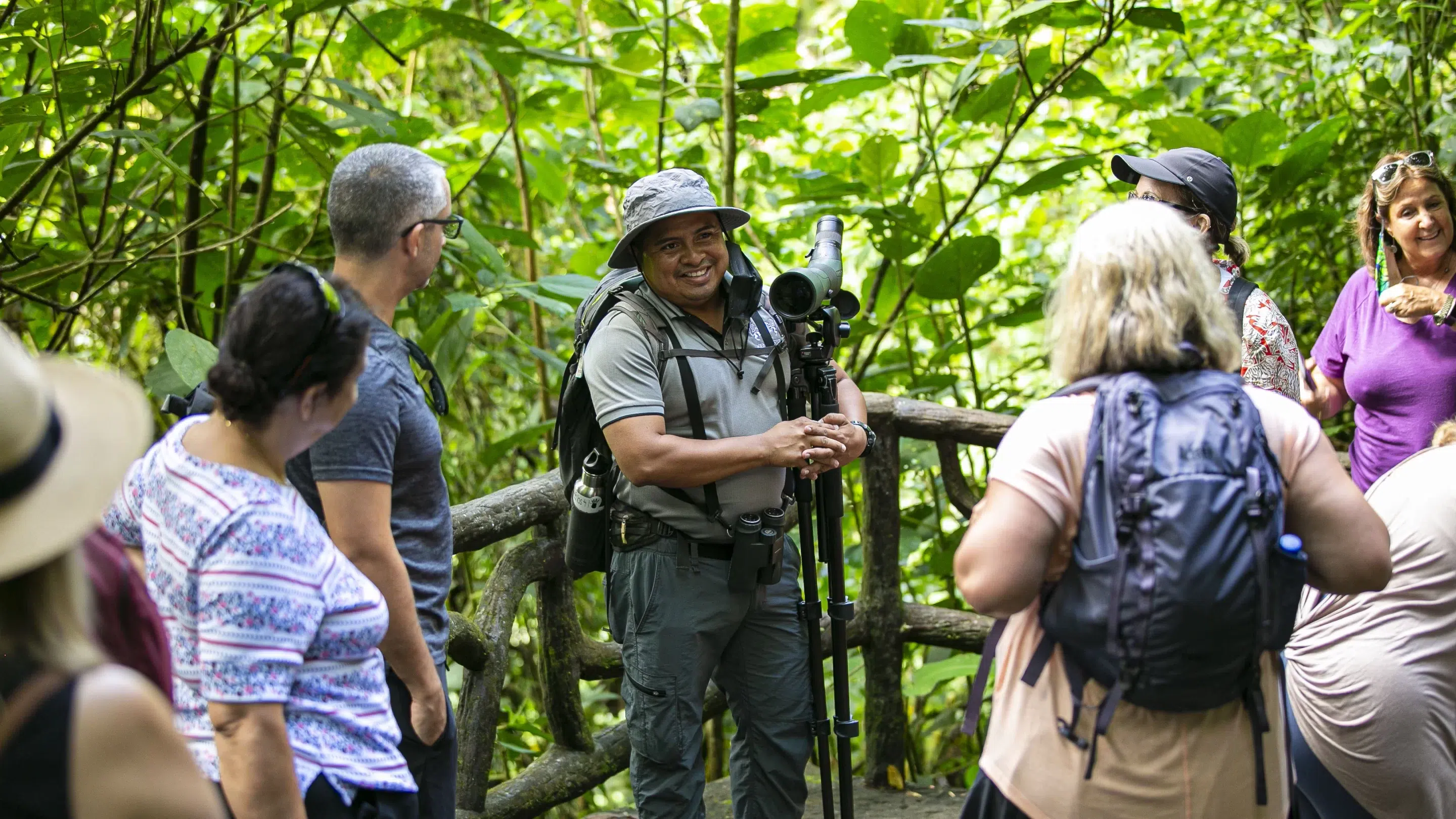
- Hire local guides: Get invaluable insights about the park’s flora, fauna, and history.
- Stick to trails: Protect the environment and stay safe.
- Don’t feed wildlife: It’s harmful to their natural habits.
- Don’t leave trash behind: Clean up after yourself.
- Check the weather: Be prepared for sudden changes.
- Observe park hours: Respect opening and closing times.
- Be quiet: Increases the likelihood of spotting wildlife.
- Beware of wildlife: Some might be dangerous if provoked.
What Should I Pack for a Trip to Costa Rica’s National Parks?
Packing the right essentials for a trip to national parks in Costa Rica will enhance your experience and ensure you’re well-prepared. Here’s a list of items you should consider:
Clothing:
- Lightweight clothing: Breathable fabrics for tropical climates.
- Hiking shoes: Sturdy and comfortable for treks. Avoid wearing sandals or other open-toe footwear.
- Rain jacket/poncho: Expect random rain showers to occur.
- Swimwear: For beach parks or freshwater lagoons.
- Hat & sunglasses: For sun protection.
- Warm clothing: If you’re visiting higher altitudes like Monteverde.
Gear & Equipment:
- Backpack: Water-resistant or with a rain cover.
- Water bottle: Stay hydrated during hikes.
- Binoculars: Enhance wildlife viewing.
- Camera: Capture the beauty; bring extra batteries.
We Can Help You Plan a Hassle-Free Trip To Costa Rica’s National Parks!
A trip to Costa Rica’s national parks is an immersion into the best that nature has to offer. To ensure a seamless experience, connect with Find My Costa Rica to guide you through entrance fees, the best times to visit, and more insider tips. Plan your dream vacation today!