Costa Rica is an exotic paradise that offers endless adventures at every turn. With beautiful beaches along its Caribbean and Pacific coasts, we have breathtaking sea views for you to enjoy.
Every beach in Costa Rica has its own distinct charm, but Playa Negra is something else. If you plan to explore Costa Rica, you must visit Playa Negra. See why this destination is an excellent choice for a well-deserved vacation.
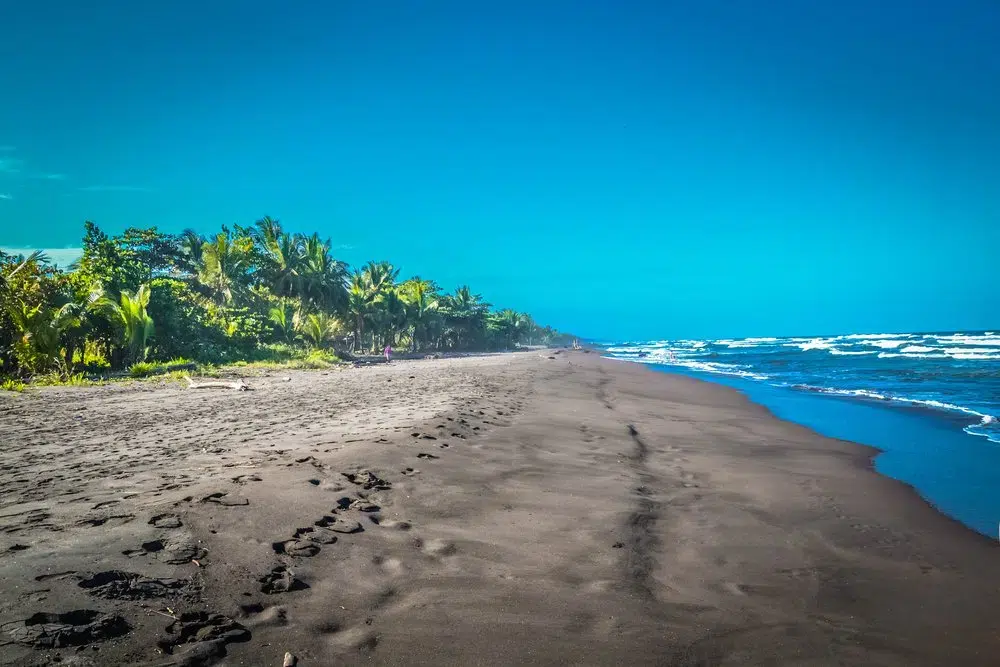
All You Need to Know About Playa Negra, Costa Rica
Playa Negra is an underrated yet incredible beach, perfect for those looking for a break from the touristy beach towns. Here, you can find beautiful sunsets, world-class waves, and a laid-back Pura Vida lifestyle.
Where is Playa Negra located?
Playa Negra is on Costa Rica’s Pacific Coast in the Guanacaste province. There are a few other black sand beaches in the country, so make sure you go to the one located in Guanacaste. If you want to know how to find it, remember it’s in the town of Los Pargos, which translates to “the snapper.”
Other spots of interest near this beach in the Guanacaste region are Tamarindo and Playa Avellanas.
How to get to Playa Negra, Costa Rica
Getting to Playa Negra can be tricky. There’s no direct public transportation to this beautiful location, so renting a car is the best option.
To help you plan your journey, here are some key points to remember:
- Located in Guanacaste, it’s about 80 kilometers from Liberia International Airport and 246 kilometers from San Jose International Airport. It takes about an hour and 45 minutes from Liberia International Airport and about 4-5 hours from San Jose.
- You can reach the beach via a public path next to Hotel Playa Negra. To get to the area, set “Hotel Playa Negra” as your GPS destination.
- You can also take a domestic flight from San Jose International Airport to Tamarindo Domestic Airport, which is just 35 minutes away.
Why is Playa Negra black?
Playa Negra’s black sand is the fascinating result of natural processes. This beautiful black sand beach is formed from volcanic minerals, including eroded lava, basalt rocks, and other minerals. These minerals have been crushed and shaped over time.
Is visiting Playa Negra worth it?
Yes, visiting Playa Negra is definitely worth it! Here, you’ll find a complete Costa Rican beach town experience, with excellent surfing spots, a breathtaking black sand beach, biodiversity, local markets, cafés, and restaurants. And most importantly, a small beach community of people who like to relax.
Where to Stay in Playa Negra
There are many great accommodations available at Playa Negra to make your stay memorable, comfortable, and fun. Take a look at some of the favorites!
Hotel Playa Negra
At the Playa Negra Hotel, you will be surrounded by tranquility and unspoiled nature. You’ll find 17 bungalows and suite bungalows set in tropical gardens, steps away from the warm, inviting Pacific Ocean. For dining options, visit its beachfront restaurant. Also, you can enjoy its swimming pool.
Playa Negra Surf Lodge
At Playa Negra Surf Lodge, singles, couples, and families can experience the ultimate escape to paradise. It’s surrounded by dry tropical forests with amazing natural settings. The beach is only a short 9-minute walk, which will allow you to check out the various dining options and nearby amenities.
Something you’ll find interesting is that at this surf lodge, you’ll be given the option to stay either in a room, a studio, or a two-bedroom home, all fully equipped with the necessary features to ensure you have a comfortable stay.
Cafe Playa Negra
Located in a small community, Cafe Playa Negra is surrounded by nature, offering breathtaking sunsets and outdoor activities like surfing and horseback riding. Featuring an on-site restaurant with delicious food, your taste buds will be delighted.
Also, this coffee shop features eight comfortable rooms and suites designed to ensure guests are comfortable and relaxed.
Activities in and Around Playa Negra
You’ll have a blast at Playa Negra and its surroundings. This scenic coastal region has something for everyone, whether you’re a nature enthusiast, a water sports fan, or an adrenaline junkie.
Playa Negra is a remote location, so you can access activities nearby by moving to meeting points, from which all services will probably be private and under quote.
Guided tours
When you choose a guided tour, you can gain valuable insight into the area’s natural and cultural aspects. Guides can help you find the best spots, navigate challenging terrain, and make sure you have a great time.
Here are some excellent options to choose from:
Arenal Volcano & Ecotermales Hot Springs
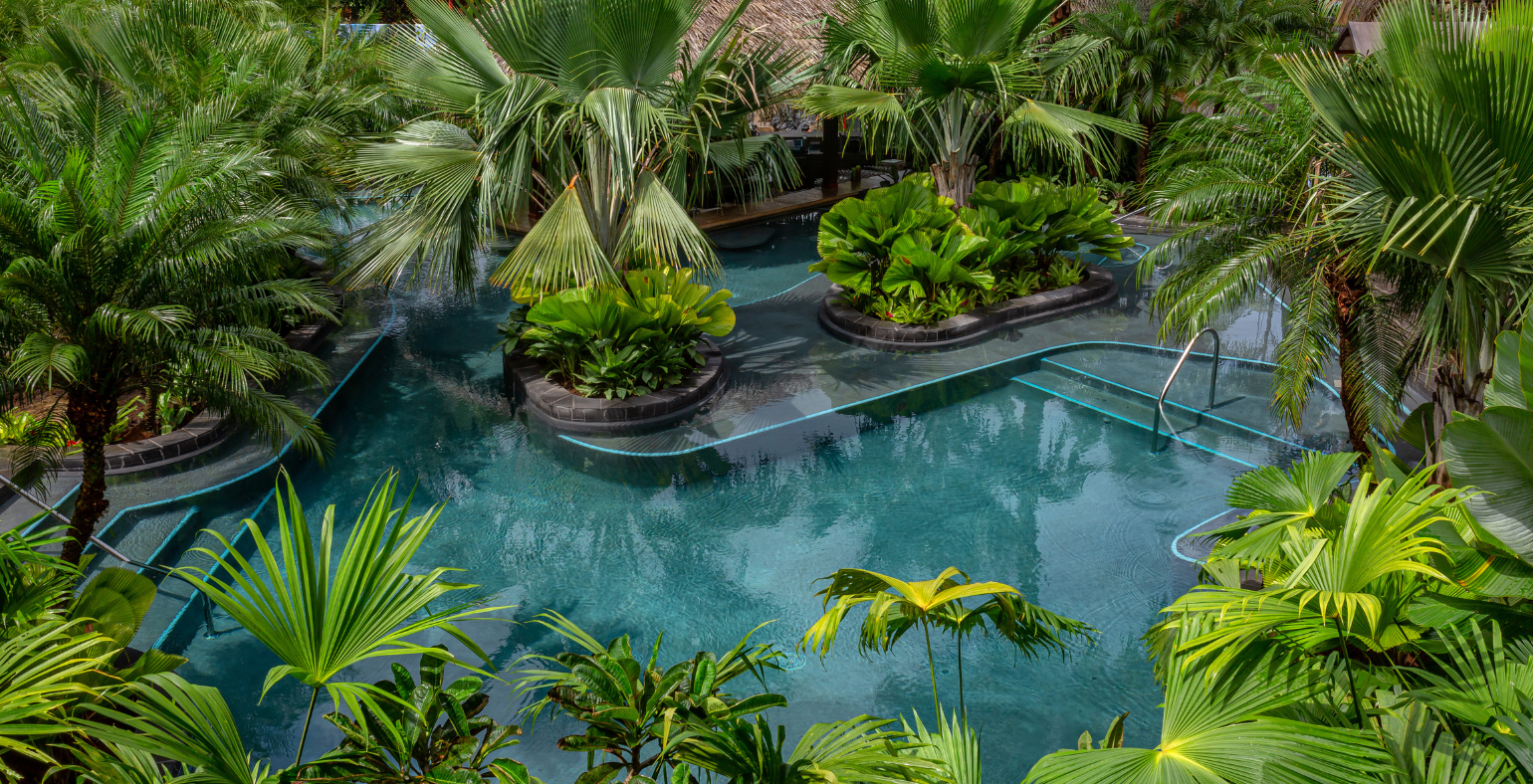
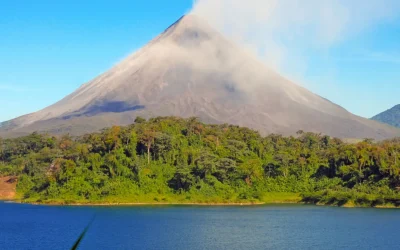
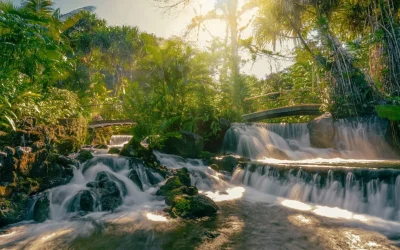
During this roundtrip tour, you can enjoy the view from Arenal Lake, have lunch at a hot springs restaurant, and then relax your mind and body as you enjoy the therapeutic volcanic hot water springs. On the way back to Guanacaste, dinner will be at a restaurant in Tilarán.
Rincon de la Vieja National Park Guided Hike & Liberia City
If you love hiking, you’ll enjoy visiting Rincon de la Vieja. Some of the features that make this one of the best hiking spots in the country include the quality of its trails, the great weather, the amount of fauna and flora, the panoramic views, and all the residual volcanic activity like boiling mud pools and fumaroles.
The coolest part? After lunch, the tour stops in Liberia City for shopping and lunch.
Miravalles – Yellowstone of Costa Rica
During a one-hour drive through the Guanacaste mountain region, you’ll see the Miravalles volcano, one of Costa Rica’s most active volcanoes.
The tour continues with a visit to “Las Hornillas,” where you’ll witness geysers near the volcano. This location has horseback riding or horse-drawn carriage rides into the forest, and strolls through it for about 40 minutes to see waterfalls, wildlife, and plants.
After the hike, we can get covered in volcanic mud and soak in the natural hot springs from the volcano. To end the trip, you’ll be treated to a delicious lunch.
Surfing and watersports
Playa Negra is a surfer’s paradise. The consistent breaks and surf-friendly conditions make it an unforgettable experience, whether you’re a pro or a beginner. But also, nearby, you can enjoy many other water sports, including whitewater rafting, or enjoy the Pacific coast’s stunning beauty on a Catamaran tour.
Adventure
Experience Costa Rica’s diverse wildlife and explore its untouched natural wonders on adventure tours near Playa Negra, Guanacaste.
For example, you can go on a Borinquen Adventure Day and experience an exciting horseback ride up the mountain and through the plains with beautiful views of Guanacaste’s Pacific coast and Rincón de la Vieja volcano area.
After the horseback ride, you can do several different activities depending on your taste:
- Fly over the treetops.
- Zip across the canyon.
- See the Borinquen Waterfall.
- Ride an ATV through the forest.
You can then have a delicious lunch and relax in our world-famous hot springs center.
Tips for Visiting Playa Negra
To ensure a safe and enjoyable experience, we have prepared some essential tips to consider as you plan your trip:
- During the wet season, the dirt road leading to Playa Negra can get muddy. Consider renting a four-wheel drive vehicle to make your journey through the challenging terrain of this area easier.
- In the beach area, there aren’t many amenities, like bathrooms or changing rooms. Take this into consideration, as well as bringing your own food, drinks, towels, and clothes.
- It’s better to surf at high tide since low tide reveals a vast rock bottom on the beach.
- Although Playa Negra is known for its surfing conditions, it’s not recommended for swimming because of the rocky shores and big waves. You can dip your toes, but don’t swim, especially with surfers around.

Start Planning Your Getaway Today!
Discover the beauty, thrilling activities, and tranquility this coastal paradise offers. For more information or to book a tour, contact Find My Costa Rica and start planning your vacation today! Our local guides are always ready to help you!
FAQ
1. Is Playa Negra, Costa Rica, safe?
Playa Negra in Guanacaste, Costa Rica, is generally safe for tourists. During your visit, we recommend you exercise common-sense precautions and enjoy the warm hospitality of the local community.
2. What is the closest airport to Playa Negra?
The closest airport to Playa Negra is Daniel Oduber Quirós International Airport, located in Liberia, which is only 80.2 km (49.83 miles) away.
3. How‘s the weather at Playa Negra?
Playa Negra has a tropical climate, as reported by Climate Data. It experiences two distinct seasons, the dry season and the rainy season, with a mean yearly temperature of 26.8 °C (80.3 °F).