
Have you ever wanted to go birding? If so, then you need to check out Costa Rica! Costa Rica is a paradise for bird watchers. From the tiny hummingbirds that can hover in mid-air to the impressive toucans and macaws, there are over 850 different species of birds living in Costa Rica.
We’ve put together this guide on how to plan your trip and what you can expect when you get there so that you’ll be ready to go birding as soon as possible! Rest assured that the birds of Costa Rica have everything you could ask for in a birding vacation trip.
Is Costa Rica Good for Birding?
Birdwatching in Costa Rica is one of the most popular activities for tourists to take part in. The variety of habitats and climates makes Costa Rica home to many different types of birds. The rainforests are home to toucans, macaws, and parrots; the coasts are home to pelicans and herons; the cloud forests are home to hummingbirds.
You can see eagles and vultures soaring overhead if you’re lucky enough! Would you like to explore the wide variety of birds in Costa Rica? If so, continue reading to know more about the vast avian species in the country.
Birds of Costa Rica Checklist
With over 800 bird species, Costa Rica is a bird watcher’s paradise. The country is divided into five zones, each with unique qualities that attract different species of birds. While some regions are more mountainous or damp, others are lusher.
The list below consists of some of the most frequent Costa Rica birds. Each one has its own unique characteristics and may be found in different areas around the country, depending on the season and time of year.
This Costa Rica checklist contains all of the birds you will want to see during your trip, including:
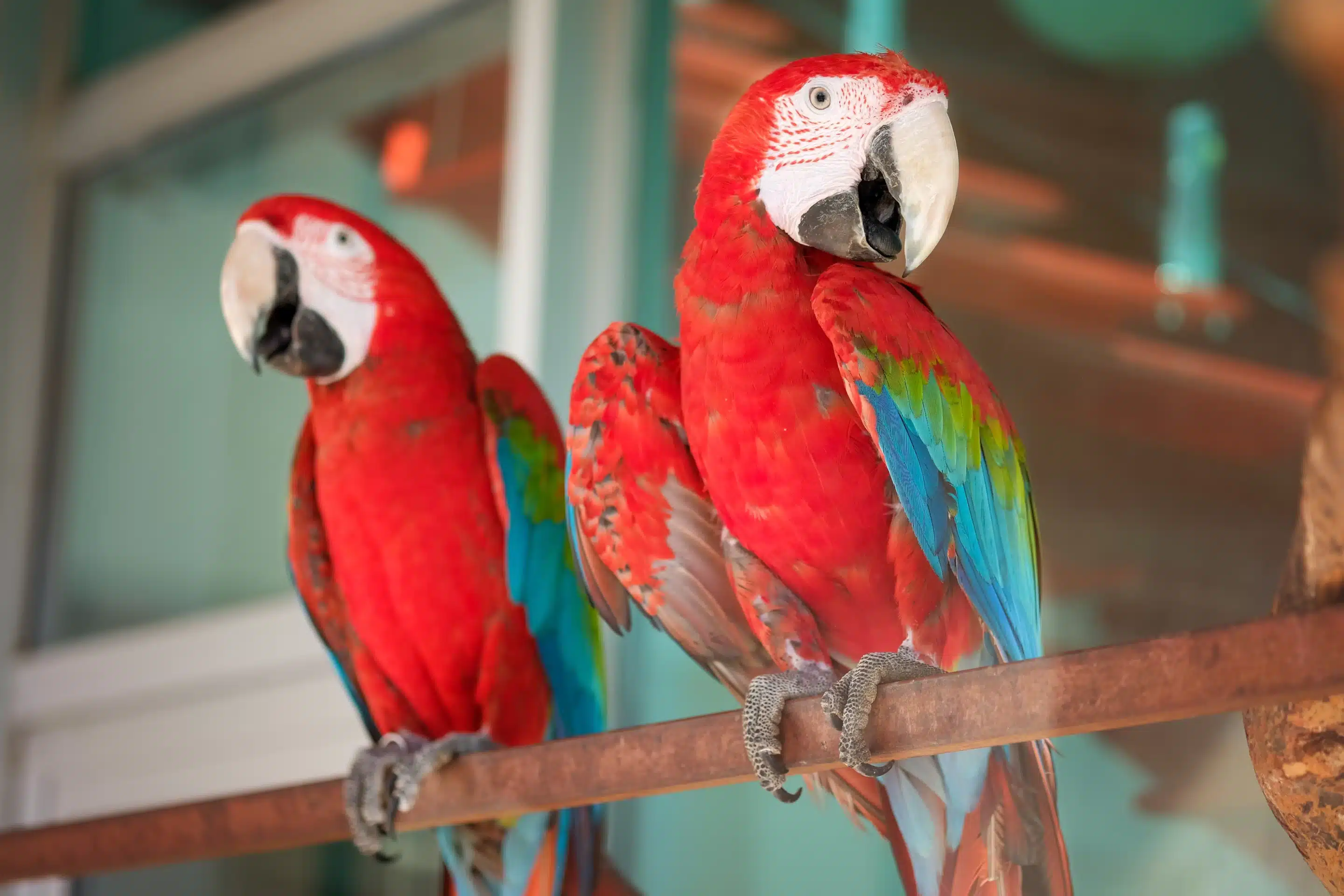
Scarlet Macaw
The scarlet macaw nests and lives in colonies of 300 or more, making it an incredible bird to watch. They are evenly distributed throughout the central region of the country.
Keel-billed toucan
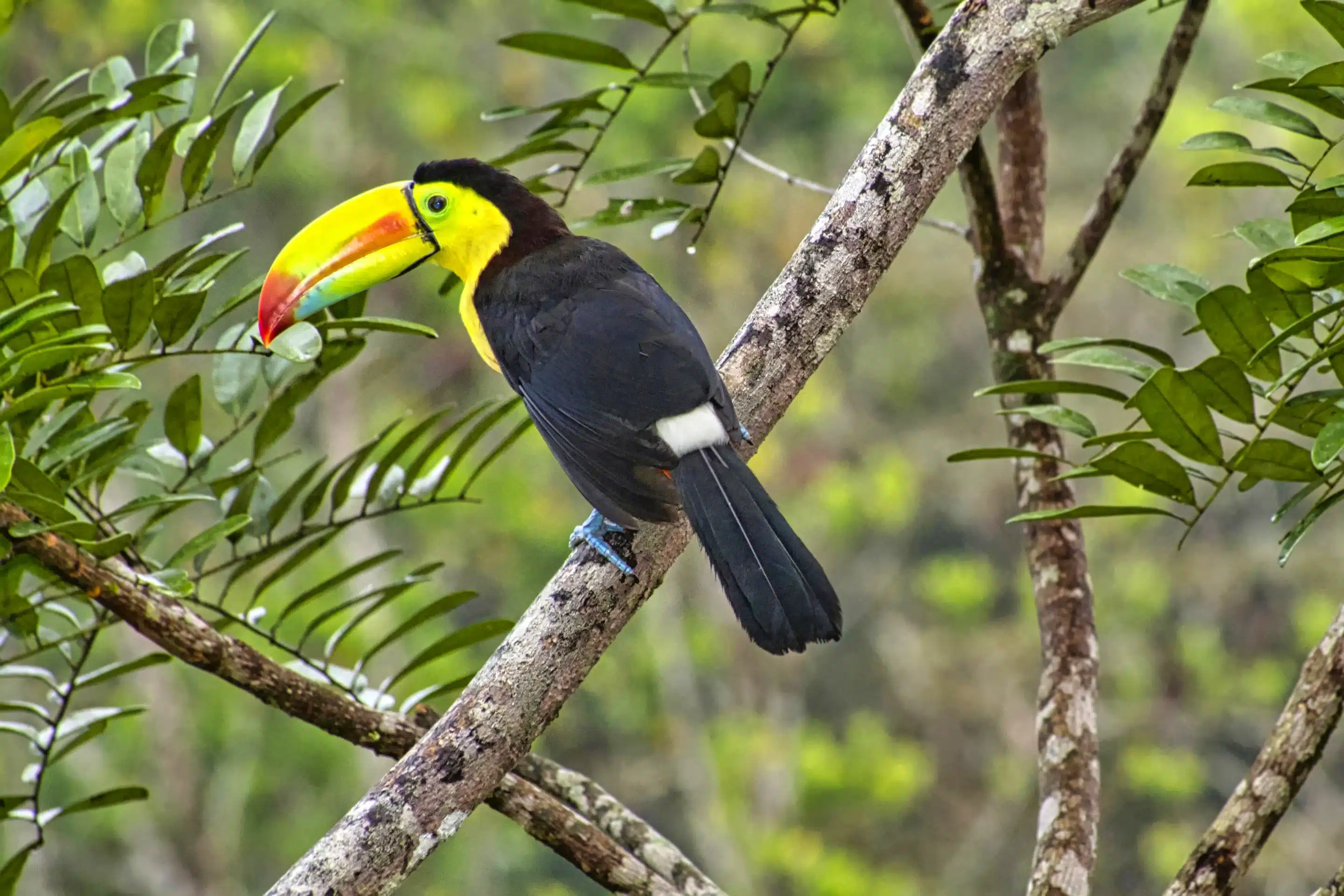
There is no need to introduce the Keel-billed toucan. With its brightly colored bill, this toucan is always worth spotting. Toucans with keel-billed bills are common in Costa Rica jungles and populated areas.
Blue Crowned Motmot
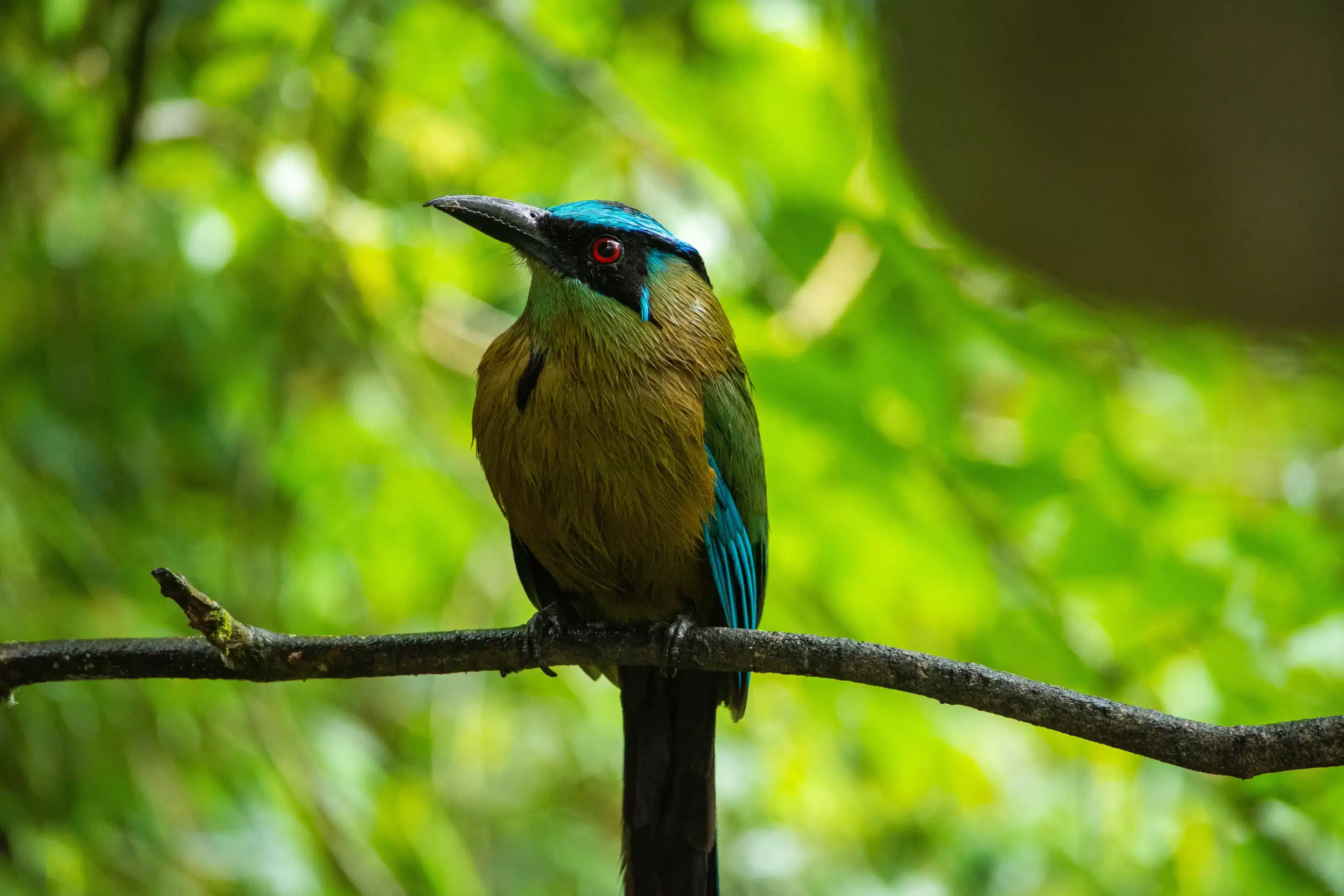
An electric blue ring adorns the crest of the blue-crowned motmot. Seeing these birds can be challenging since they prefer to sit still; however, they frequent gardens for fruit and insects to eat.
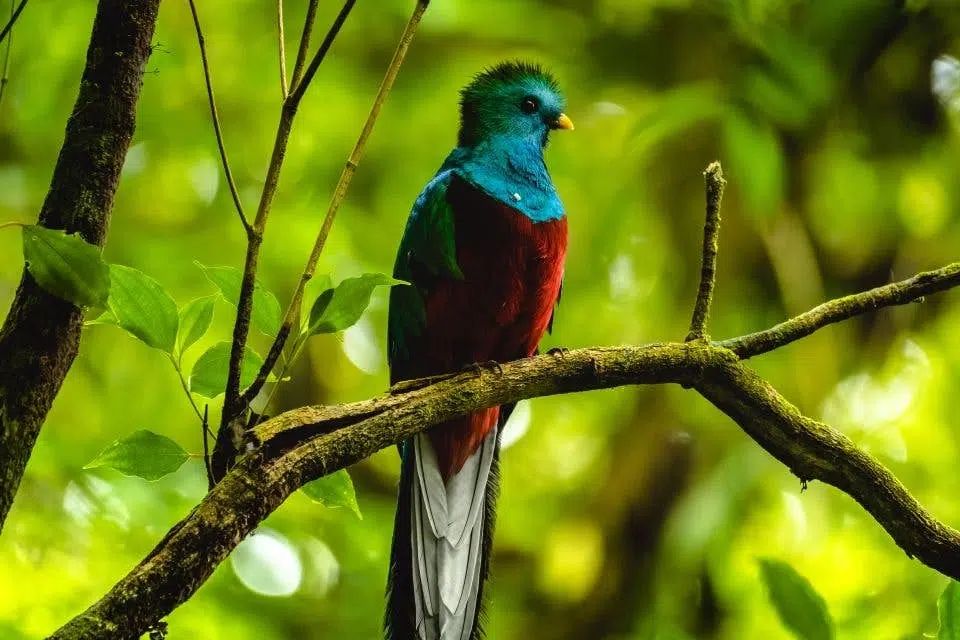
Resplendent Quetzal
One of Costa Rica’s most famous birds is the resplendent quetzal. These photogenic birds are found mostly in the country’s cloud forests, with their iridescent green plumage and tail feathers reaching 30 inches long.
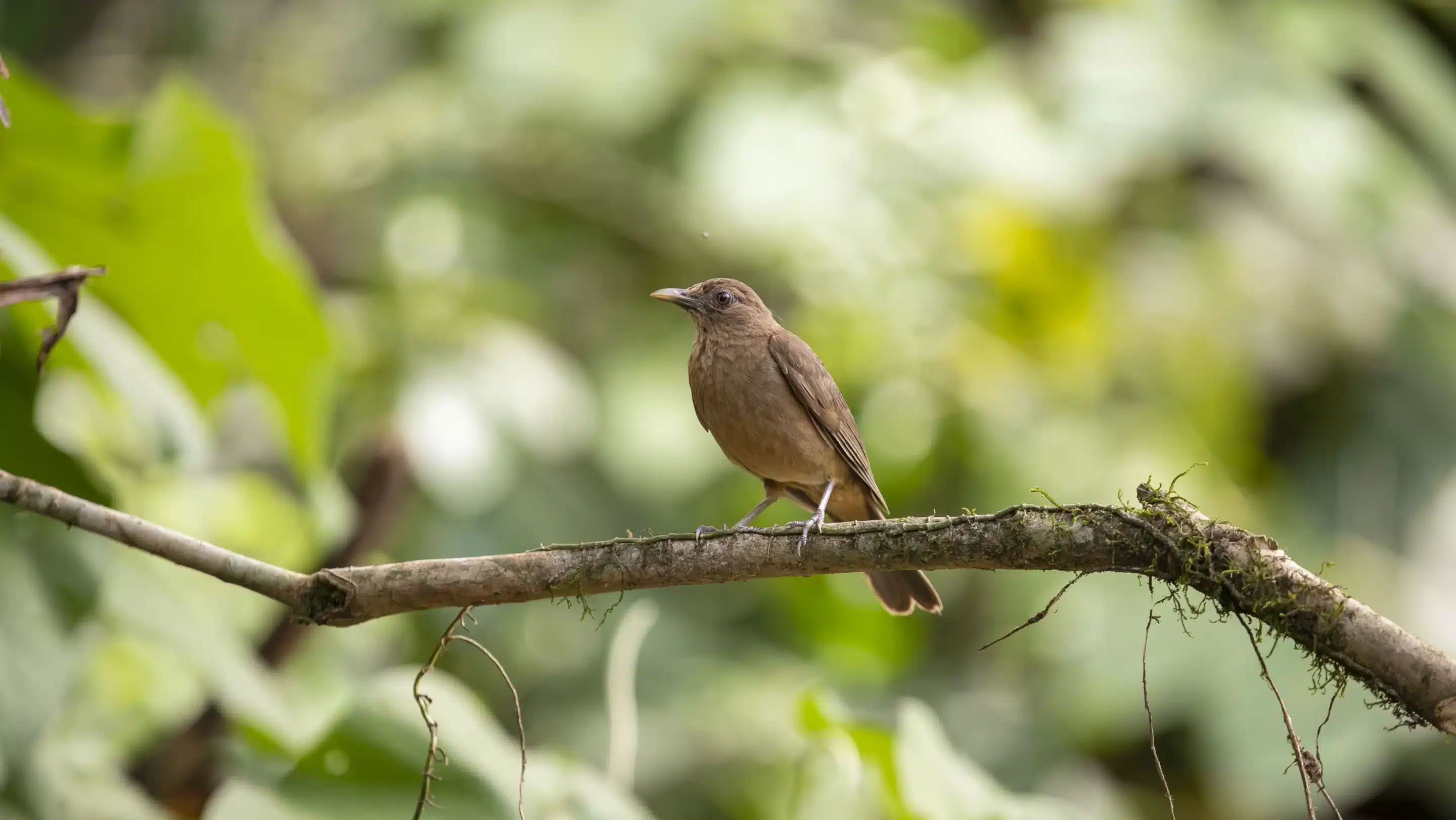
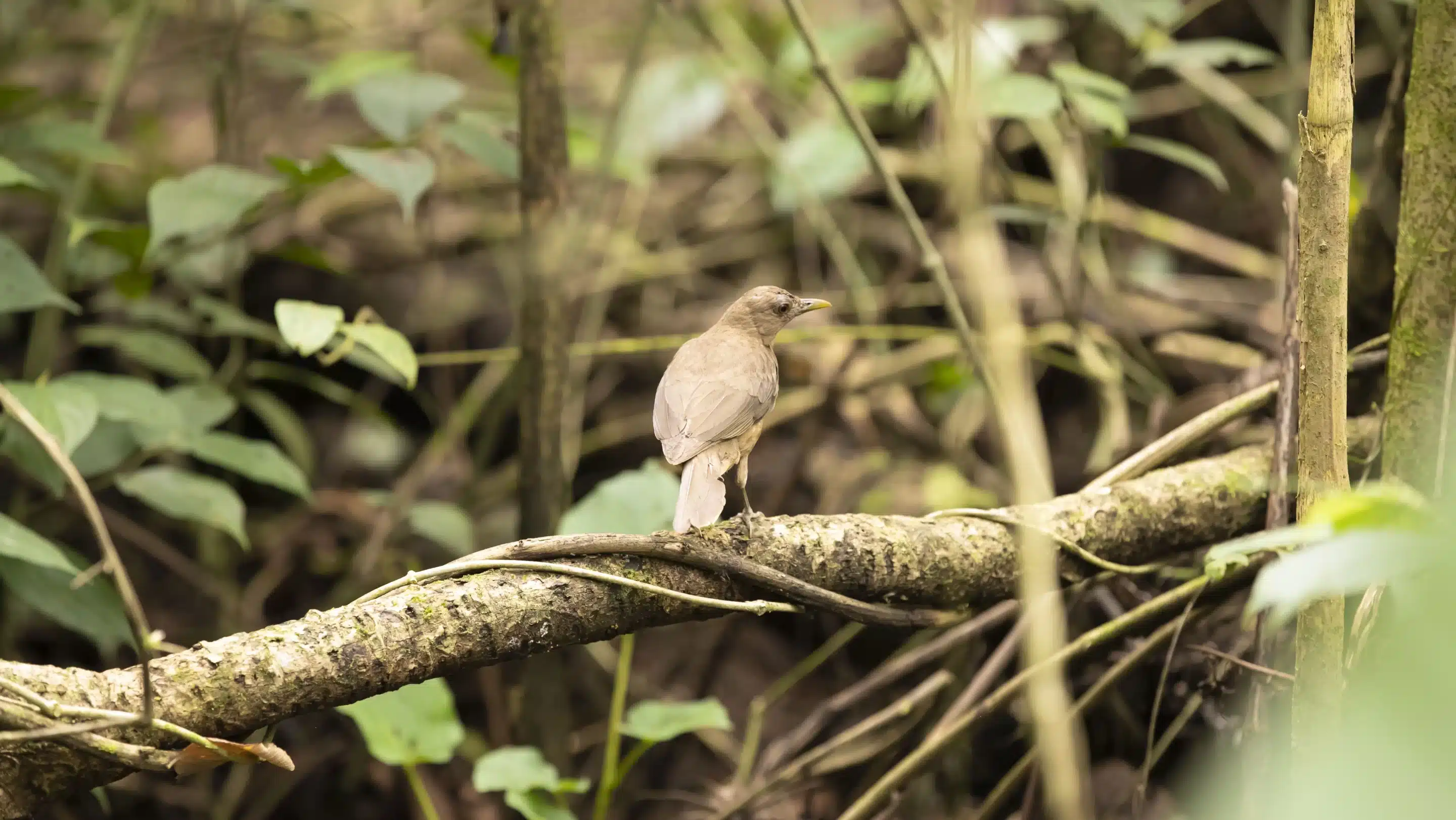
Clay Colored Thrush
This is a small, brown bird that lives in Costa Rica. It eats insects and spiders and can often be found in trees. The bird’s name comes from its brown plumage and loud, clear song.
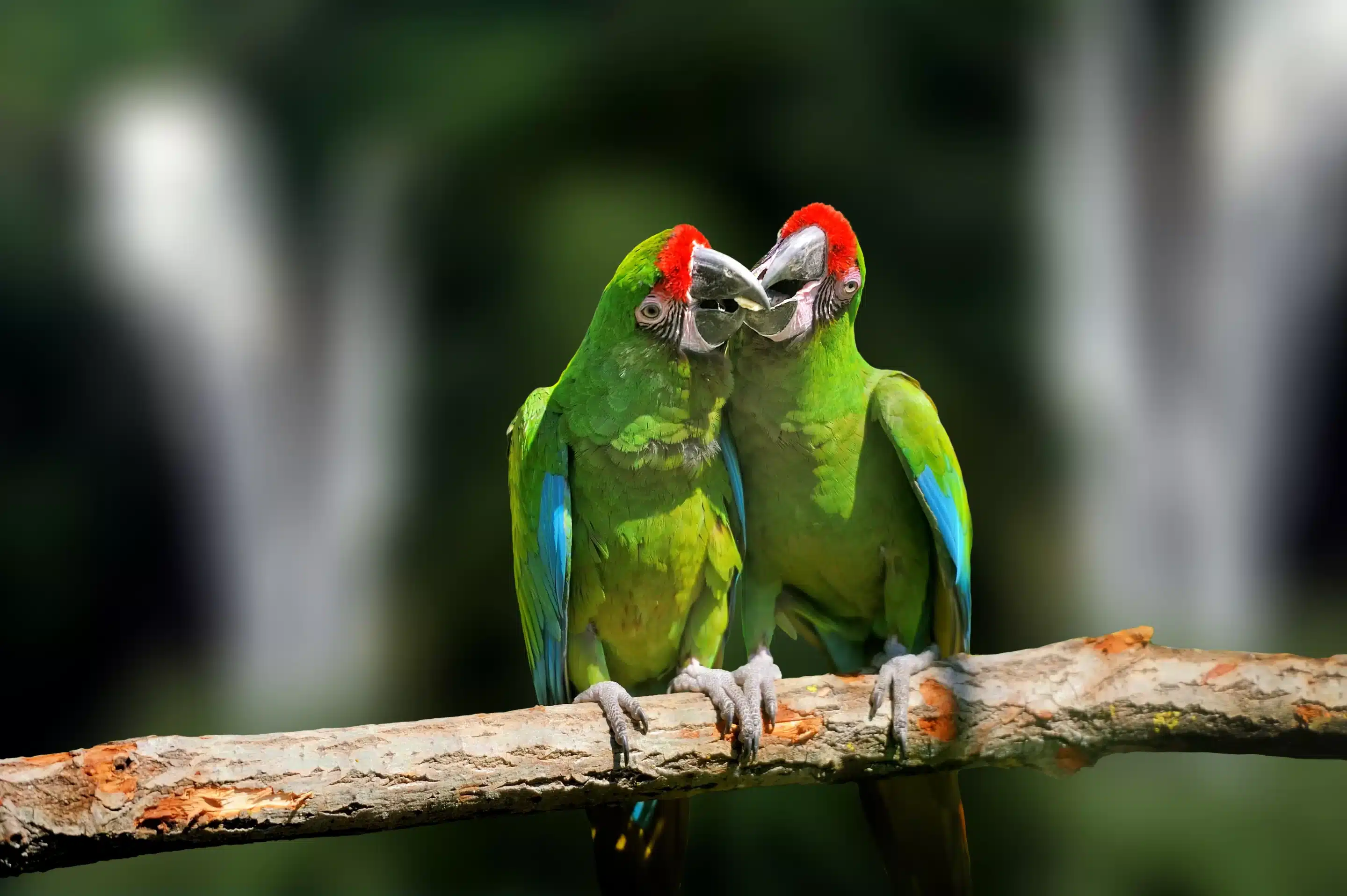
Great Green Macaw
The great green macaw is one of the largest and most beautiful birds in Costa Rica. It can live for up to 60 years and is considered an endangered species.
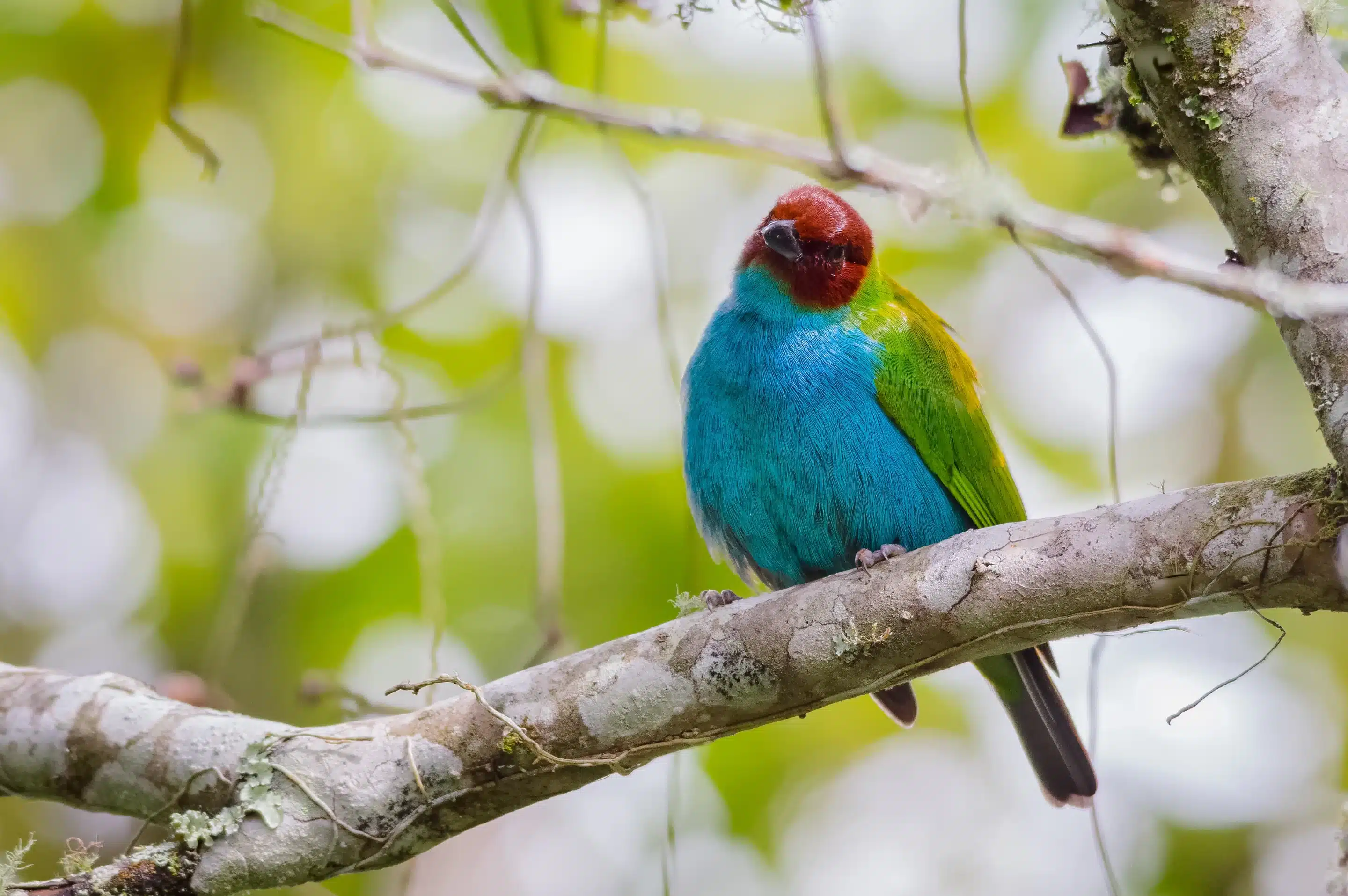
Bay-Headed Tanager
This vibrantly colored tropical bird can be found in Costa Rica, Panama, and northern South America.
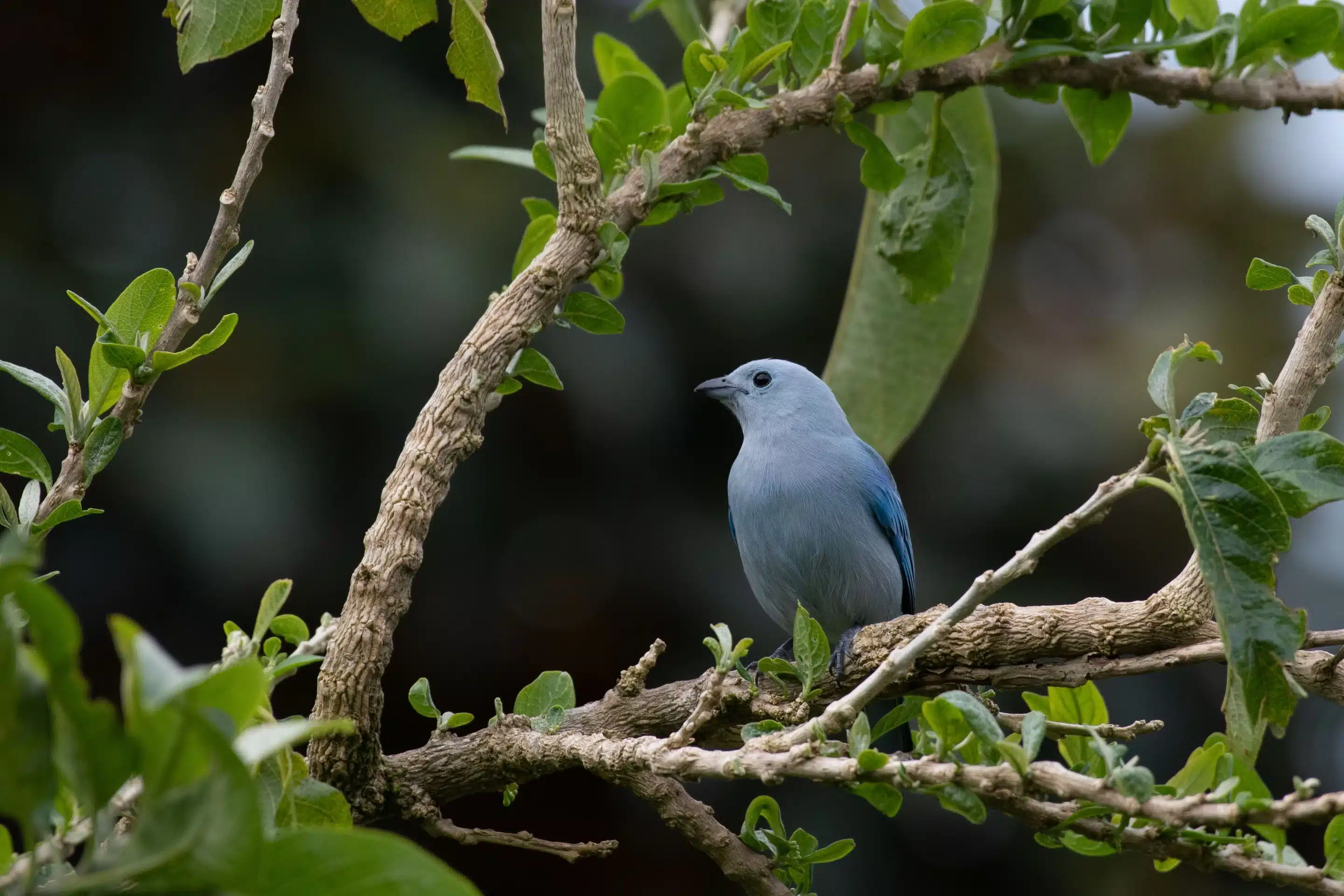
Blue Gray Tanager
One of the most commonly seen tanagers throughout the country. These birds can appear pale gray or almost pure blue depending on the conditions. It is impossible to take two identical pictures due to their shifting color.
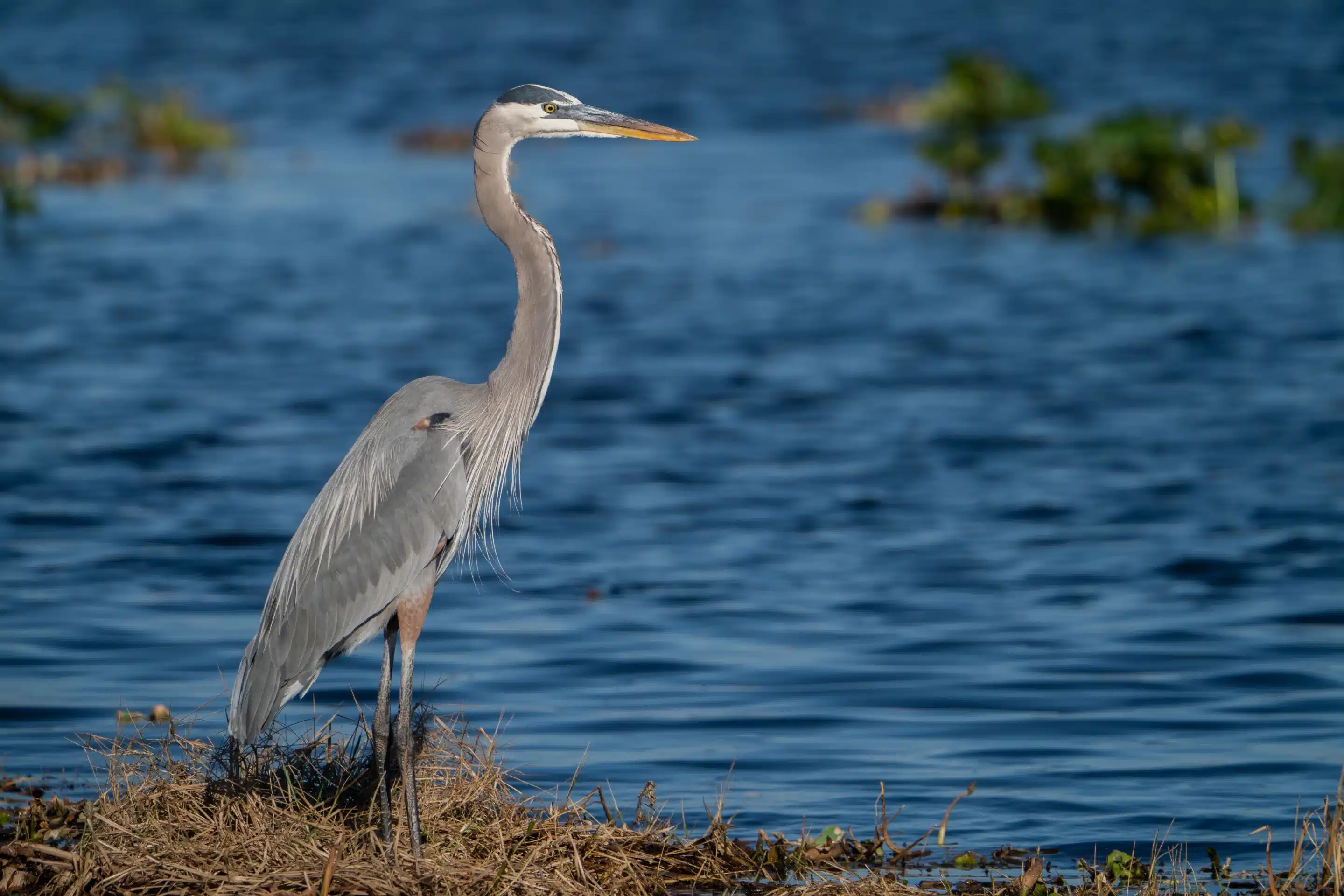
Great Blue Heron
The great blue heron is one of the giant birds in Costa Rica. It can be found in many different types of habitats, including wetlands and marshes, but it prefers to nest near lakes or rivers.
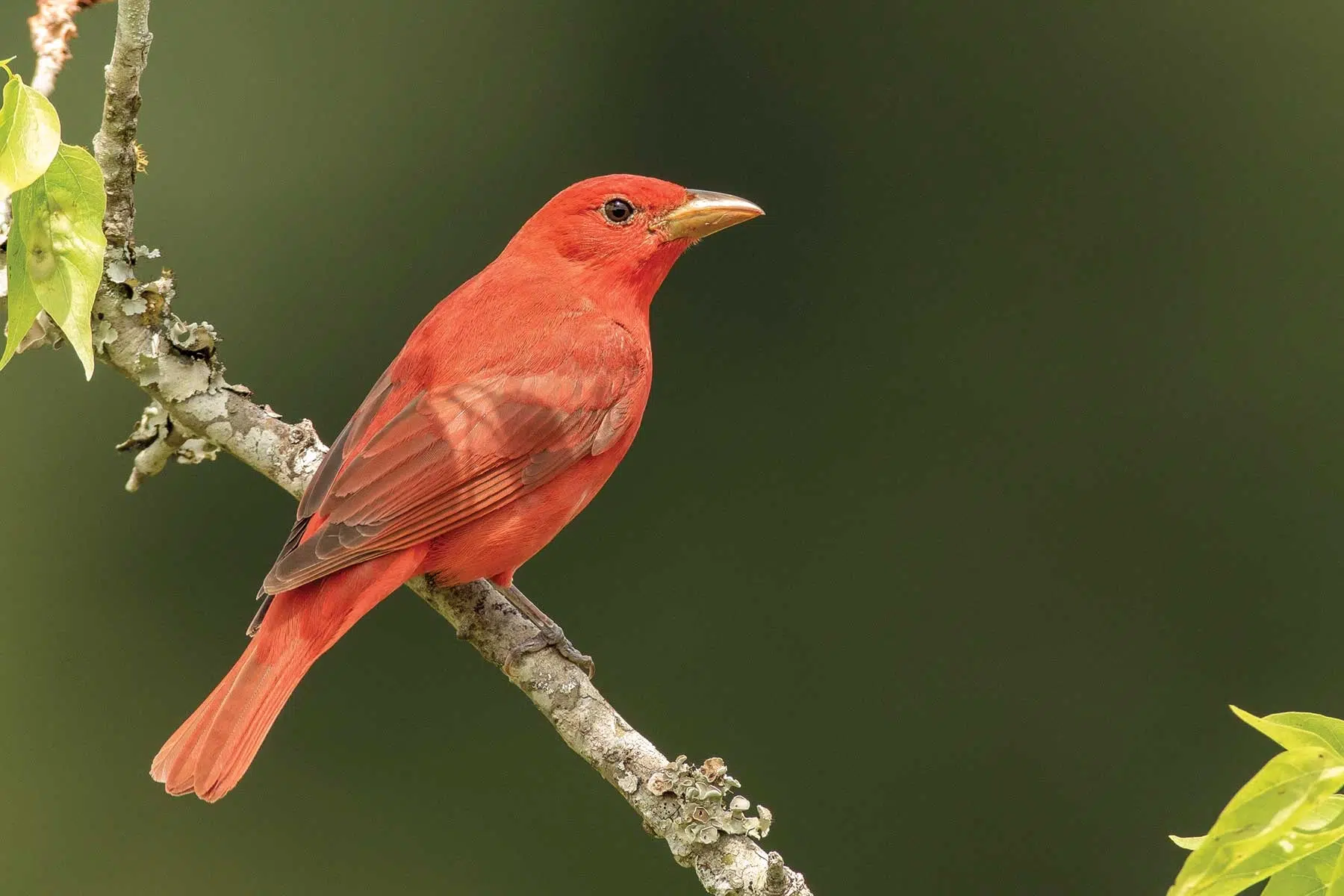
Summer Tanager
A common wintering species in the country, the lovely orange-yellow female and the beautiful red male can be seen at Villa San Ignacio. In Spanish, its name means “Summer Tanager” or “Cardinal.”
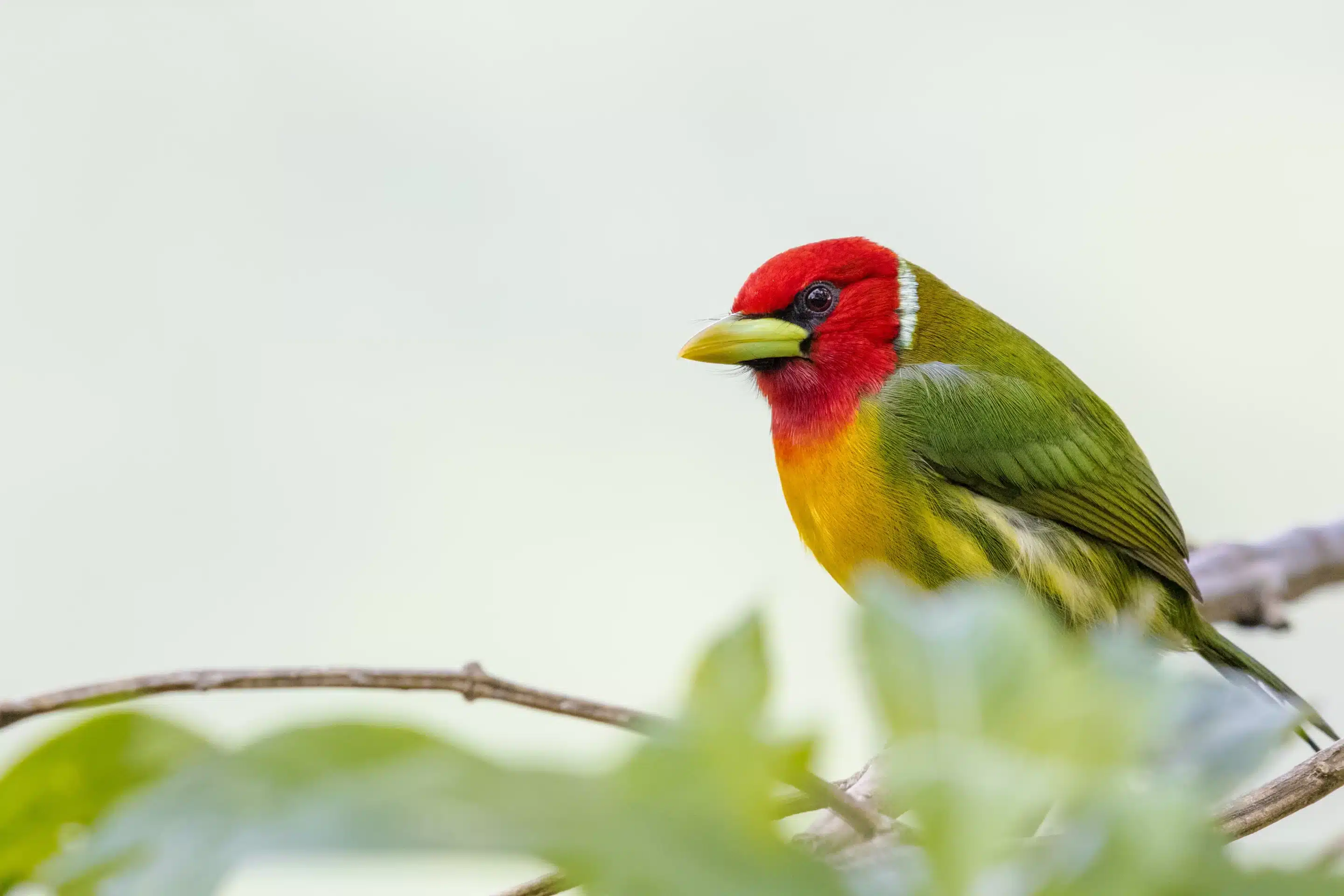
Red-Headed Barbet
It belongs to the Capitonidae family of birds. Tropical humid highlands in Costa Rica and Panama, along with the Andes in Venezuela, Columbia, Ecuador, and Peru’s far north, are home to this species.
Where Can I Photograph Birds in Costa Rica?
Costa Rica is a paradise for bird watchers. If you’re looking to photograph birds in Costa Rica, here are some places you should check out:
Sarapiqui
Discover the serenity of bird watching in Sarapiqui, Costa Rica, a hidden gem nestled in the quiet town of Heredia Province. This picturesque destination is a dream come true for birders and photographers alike, offering a wealth of exceptional bird-watching spots and incredible photo opportunities.
Cano Negro Wetlands
This wetland system is vital to many species of birds native to Costa Rica. Cano Negro is situated in the northern part of the province of Alajuela, right off the border with Nicaragua.
Monteverde Cloud Forest Reserve
This is one of Costa Rica’s most famous birding spots. Many birds live here, including toucans, hummingbirds, and trogons.
Palo Verde National Park
Many different birds can be seen in this varied landscape, making it ideal for birders. Wading birds are most common along the river, but parrots like toucans and macaws also frequent the area.
Carara National Park
A large colony of scarlet macaws lives here. The Carara National Park is one of the country’s northernmost rainforests on the Pacific Coast. With easy access from San Jose, the park offers walking trails and is likely to attract many tourists hoping to see toucans or parrots.
Corcovado National Park/ Osa Peninsula
You can enjoy Corcovado National Park on the Osa Peninsula. This region of Costa Rica is home to more than 300 bird species, including scarlet macaws and toucans. From avid enthusiasts to novice enthusiasts, there are many opportunities available.
If you’re looking for a bird-watching tour to take you to some of the most beautiful spots in Costa Rica, check out what we offer! Our custom tours are designed to meet your specific interests and goals. Our guides are trained experts in the field and are committed to helping you get the most out of your trip.
When Should I Go Birding in Costa Rica?
The Costa Rican bird population is large, so bird-watching is always an incredible experience. We will break down the two options below to make your expedition work for you.
Visit during the dry season, which runs from December to April. Many species of North American birds also spend the winter in Costa Rica during this time. There is no better time to enjoy the sun and double up on bird species than when these warblers are escaping the cold.
You can also plan your trip during the rainy season, which typically begins in May and ends in November. When wading birds are more active, Costa Rican bird watching is more enjoyable in the rainy season. A bird lover explicitly looking for native birds of Costa Rica should wait until the rainy season as the northern species have already flown back to their homes.
Bird-Watching Equipment You Will Need
Costa Rica is a beautiful country with a rich history, and it’s home to some beautiful birds. Here are some of the essentials you’ll need:
- Binoculars: You can only see a little without binoculars! They’re especially helpful when looking at flying birds and spotting nests or eggs in trees.
- Camera: A camera is essential for capturing photos of your favorite birds or even just snapping some shots of the scenery while you’re out on an adventure! A good camera will capture high-quality images.
- Bird guides: These books will help you identify bird species in Costa Rica and learn about their behavior, making it easier to spot them in the wild when hiking or exploring areas where they live.
- Water bottle: This is especially important if you plan on going out into the jungle during the dry season in Costa Rica.
What to Expect on a Bird-Watching Tour
Bird-watching tours are one of the most popular activities in Costa Rica. If you’re planning a trip, you can take advantage of this opportunity to see some of the country’s most spectacular birds. You can expect to see some pretty amazing things.
Here are some of the highlights:
- A lot of birds: Birds are everywhere in Costa Rica—even if you’re not on tour. But if you want to be sure to see as many species as possible, it’s best to book a tour. You’ll be led by an expert guide who knows what to look for and when.
- Ecotourism practices: Birding tours in Costa Rica are usually eco-friendly and provide an educational experience that increases awareness about conservation efforts. You’ll learn about how conservation efforts in the area benefit wildlife and people, so it’s essential to do your research before booking a trip.
- The rainforest habitat: Costa Rica is home to one of the world’s most biodiverse ecosystems, which makes it an ideal place for birding tours! The rainforest provides ample space for birds to nest and migrate freely throughout the year.
Ready to embark on your next adventure? Contact us and let our local experts plan your trip to Costa Rica! We can’t wait to have you around!
FAQ:
- What is the most common bird in Costa Rica?
You can find so many species in Costa Rica. Still, the clay-colored thrush is among the most common birds in Costa Rica. It’s a small songbird that lives throughout Central and South America. It’s also known as the clay-colored robin. It’s easy to recognize this Costa Rican bird because of its reddish-orange belly and chest, gray wings, and gray back.
This little guy is an excellent subject for any bird lover! It can be found in both rural and urban areas of Costa Rica.
- Are there flamingos in Costa Rica?
No. Despite the wide range of species in Costa Rica, flamingos are not among the country’s colorful birds. However, you can find the Roseate Spoonbill. These birds are a group of large, long-legged, wading birds whose diet is high in carotene from shellfish. In Costa Rica, you can see spoonbills along most shallow coastal waterways and mangroves.
- How Many bird species are there in Costa Rica?
Whether you’re a budding or experienced birder, the birds of Costa Rica will excite your passion and provide endless opportunities to discover new bird species. Costa Rica has approximately 903 bird species classified into 82 families. There are often differences in plumage between females and males, breeding males and non-breeding males, and adults and juveniles within a species.
The birds of Costa Rica are as diverse as the country itself. Hence, you’ll probably run into at least one bird on any given day in Costa Rica! So if you’re planning a trip to Costa Rica, you can take advantage of all our avian diversity.
- What bird sings at night in Costa Rica?
If you’re interested in birds and wildlife, you might have heard that Costa Rica is one of the best places to go birding. When visiting Costa Rica, you might hear a whistled “cuyeo” call at night. When that happens, you’re actually listening to the Pauraque, a beautiful bird that inhabits brushy fields, coffee farms, and other second-growth habitats.
- What is the official bird of Costa Rica?
The national bird in Costa Rica is the clay-colored thrush or Yigüirro. It’s known for its unique plumage and melodious song. The clay-colored thrush is pretty common in Costa Rica, where it can often be found near water sources such as rivers and streams. During the start of the rainy season, Costa Ricans can always recognize these small birds by their strong, melodious song.
- What is the prettiest bird in Costa Rica?
Costa Rica is home to some of the most beautiful birds in the world. If you’re looking for a trip that combines breathtaking scenery with an opportunity to see some of nature’s most exotic creatures, then Costa Rica is your destination.
Here are some of our favorite birds of Costa Rica:
- The Scarlet Macaw
- The Blue-and-yellow Macaw
- The Keel-billed Toucan
- The White-throated Magpie-jay
- Can you also see wildlife in Costa Rica?
Yes, Costa Rica is a country that is filled with wildlife. From the jaguar and the harpy eagle to the poison dart frog, you can see many amazing creatures while on your Costa Rica adventure. You can see monkeys, sloths, and many other animals. One of the best places to see wildlife in Costa Rica is Manuel Antonio National Park. It’s an hour from San Jose and has a wide variety of animals to see.
- Is Costa Rica known for parrots?
Yes, Costa Rica has a wide variety of parrots and parakeets. The country’s tropical climate and varied landscapes make it an ideal place for these colorful birds to live and breed. Still, despite many species of parrots and parakeets in Costa Rica, their numbers are dwindling. Three species are listed as endangered, the Scarlet Macaw, the Great-green Macaw, and the Yellow Naped Parrot.
- Is it easy to see toucans in Costa Rica?
Yes, toucans are common sight birds of Costa Rica! They are easily spotted in the tropical jungles in Costa Rica, as well as in parks and other natural areas. One of the most exciting things about these large birds with beautiful colors and striking patterns is that, when they fly, they hold their wings out at an angle from their bodies, making it look like they’re flying backward!
- Are there macaws in Costa Rica?
Yes, there are macaws in Costa Rica. More than 400 species of birds in Costa Rica, including the blue-and-yellow macaw, are native to Central America. You can see them in national parks like Monteverde and Corcovado and private preserves like Finca 6 Archey.