Where & When Can You See Turtles in Costa Rica?

Costa Rica is a top destination to view sea turtles. According to Wanderlust Magazine, our country is famous for turtle spotting. But the question is, where and when do turtles hatch in Costa Rica? Well, it depends!

Costa Rica has shores on the Pacific and Caribbean coasts, where you might see different turtle species in diverse places. Fortunately, we’ll explore the best times to see turtles in Costa Rica, where to go for turtle watching, and what you need to prepare for this exciting journey.
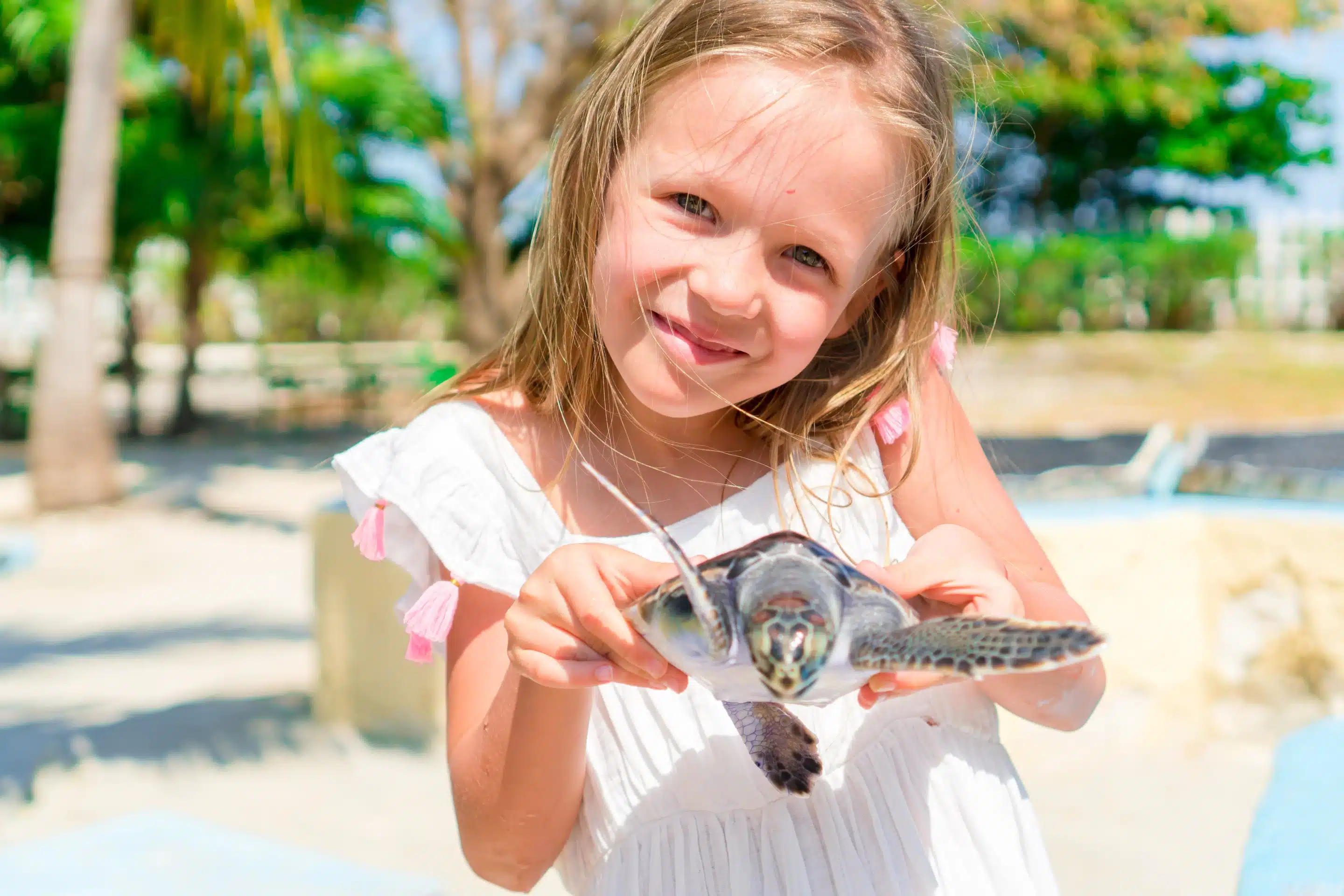
Witnessing the nesting process of sea turtles in Costa Rica is a remarkable experience that draws nature enthusiasts from around the world.

What Turtle Species Can You See in Costa Rica?

In Costa Rica, you can see five of the seven species of sea turtles that inhabit the world:

Kemp’s ridley turtle

This turtle is the smallest of the sea turtles. It measures about 70 cm in length. Newborn turtles are dark in color and measure about 5 centimeters.

Hawksbill sea turtle

This sea turtle measures just under 90 cm long and usually weighs about 60 kg as an adult. It is sought both in Costa Rica and in many other countries of the world by hunters for their precious shells, of which they make a variety of crafts such as rings, earrings, and necklaces.
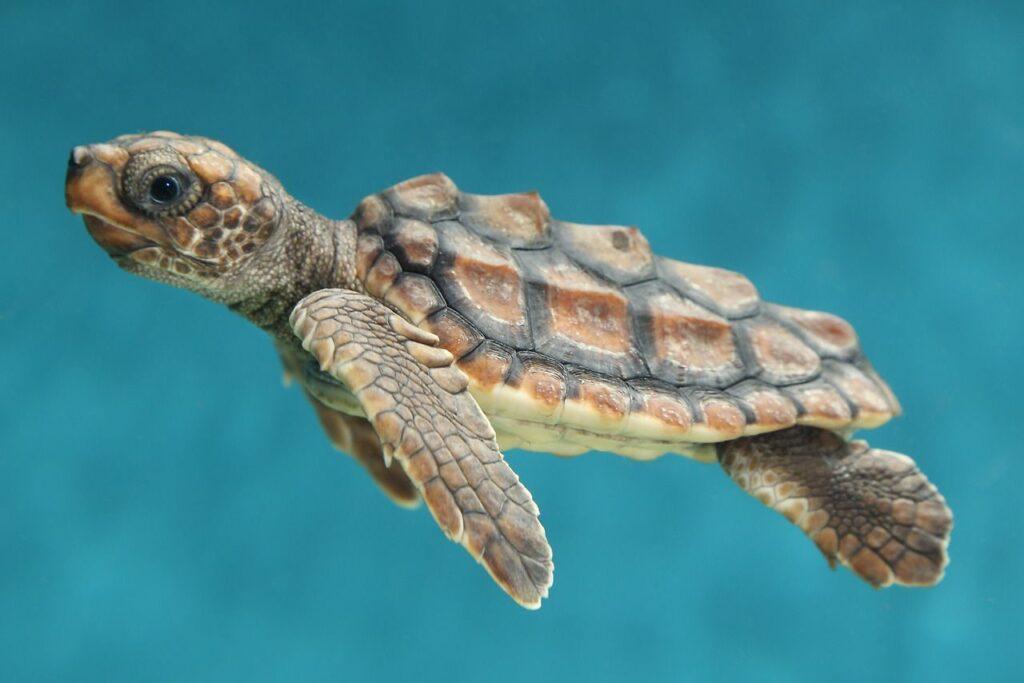
Hawksbill sea turtles find refuge along Costa Rica's coastline, contributing to the region's rich marine diversity.

Leatherback sea turtle

The leatherback turtle is the largest in the sea ​​turtle family, growing to almost two meters long and weighing just over a ton.

Green sea turtle

This is the second-largest turtle of all known species. The most concentrated large green turtle is off the coast of Australia, although there is a great abundance on Tortuguero Beach in Costa Rica.

The sandy shores of Costa Rica are a vital nesting haven for green sea turtles.

Loggerhead sea turtle

This is the third-largest turtle among sea turtles and can weigh more than 150 kg. Recently, the population of Atlantic turtles in the United States has shown a critical decline. In Costa Rica, it is a habitual inhabitant of the reefs of Cahuita National Park.

Top Places to See Costa Rica’s Sea Turtle Nesting Sites

Each year, between April and November, numerous sea turtles grace Costa Rica’s Pacific and Caribbean shores to lay eggs. Nighttime nesting tours provide a chance to witness the egg-laying and hatching processes, promising an unforgettable, one-of-a-kind experience.

Let’s explore the finest sites and the best time to see sea turtles nest in Costa Rica.

#1 Tortuguero National Park, Northern Caribbean Coast

Tortuguero is an enchanting place in Costa Rica where biodiversity and conservation efforts intertwine perfectly. Here, you can see turtle nesting season firsthand in tranquil surroundings.

Among the species you can view are:

  • Green turtles
  • Leatherback turtles
  • Hawksbill turtles
  • Loggerhead turtles

When is the best time to visit Tortuguero to see sea turtles?

Timing varies by species, but generally, you can see sea turtles between March and November. To witness sea turtles hatch at the beach, you must wait two to three months after nesting.

The weather is also a factor to consider when planning your trip to Tortuguero. Why? Nesting turtles peak in the rainy season. Pack rain gear, just in case.

#2 Cahuita National Park, Caribbean Coast

Located on Costa Rica’s Caribbean Coast, Cahuita stands out for its natural beauty, rich Afro-Caribbean culture, and relaxed atmosphere. Several animal rescue centers in Cahuita National Park encompass over 2,700 acres of land and sea.

When is the best time to visit Cahuita to see sea turtles?

If you would like to see any of the four species of turtles come to nest in Cahuita each year, plan your visit accordingly.

Here is the nesting season per species:

  • Leatherback turtles: March to July
  • Atlantic green sea turtles: July to October
  • Hawksbill sea turtles: February to May
  • Loggerhead sea turtles: February to May

#3 Ostional Wildlife Refuge, Nicoya Peninsula

The Ostional Wildlife Refuge, situated on the Nicoya Peninsula and about 31 miles from Nicoya, safeguards 238 hectares of land and 15 kilometers of the Pacific coastline. Mainly, Olive Ridley sea turtles nest on this beach, but sometimes you can also see Leatherbacks and Pacific green turtles.

When is the best time to visit Ostional to see sea turtles?

Plan your visit from May through November to see Olive Ridley sea turtles. Leatherbacks and Pacific green turtles come during the rainy season, from August to December.

#4 Las Baulas National Marine Park, Guanacaste

Situated in Guanacaste, Las Baulas National Marine Park is an excellent location for observing sea turtle nesting.

The marine park covers diverse landscapes along the Guanacaste Gold Coast, including Playa Grande, Carbon, Ventanas, Langosta, and the Tamarindo Estuary, which is, as the SINAC states, a site of global importance.

When is the best time to visit Las Baulas to see sea turtles?

The best time to visit is from October to February. During these months, you can see Olive Ridley and leatherback sea turtles nesting on the park’s beaches.

Tips for Enhancing Your Turtle-Watching Experience

Embarking on a turtle-watching adventure is a chance to connect with nature and experience a once-in-a-lifetime opportunity. To make the most of your experience, consider the following tips:

Pack essential gear

Prepare for your journey by packing essential gear that safeguards your comfort and the environment. Here are some things you’ll need.

  • Binoculars to observe from a distance.
  • Red-filtered flashlight to maintain nesting area tranquility.
  • Insect repellent and light clothing for protection and comfort.
  • A reusable water bottle to stay hydrated.

Respect turtle nests

Turtle conservation in Costa Rica relies on preserving nesting sites. When visiting, follow these rules to help:

  • Avoid touching or disturbing nests and eggs, giving them the maximum chance of survival.
  • Stay on designated paths to protect nests from accidental damage.
  • Leave no trace, which means taking all your trash and belongings with you.

Become a volunteer

Elevate your experience by actively participating in Costa Rica’s turtle conservation initiatives. Volunteering allows you to contribute hands-on to safeguarding the future of these magnificent creatures. 
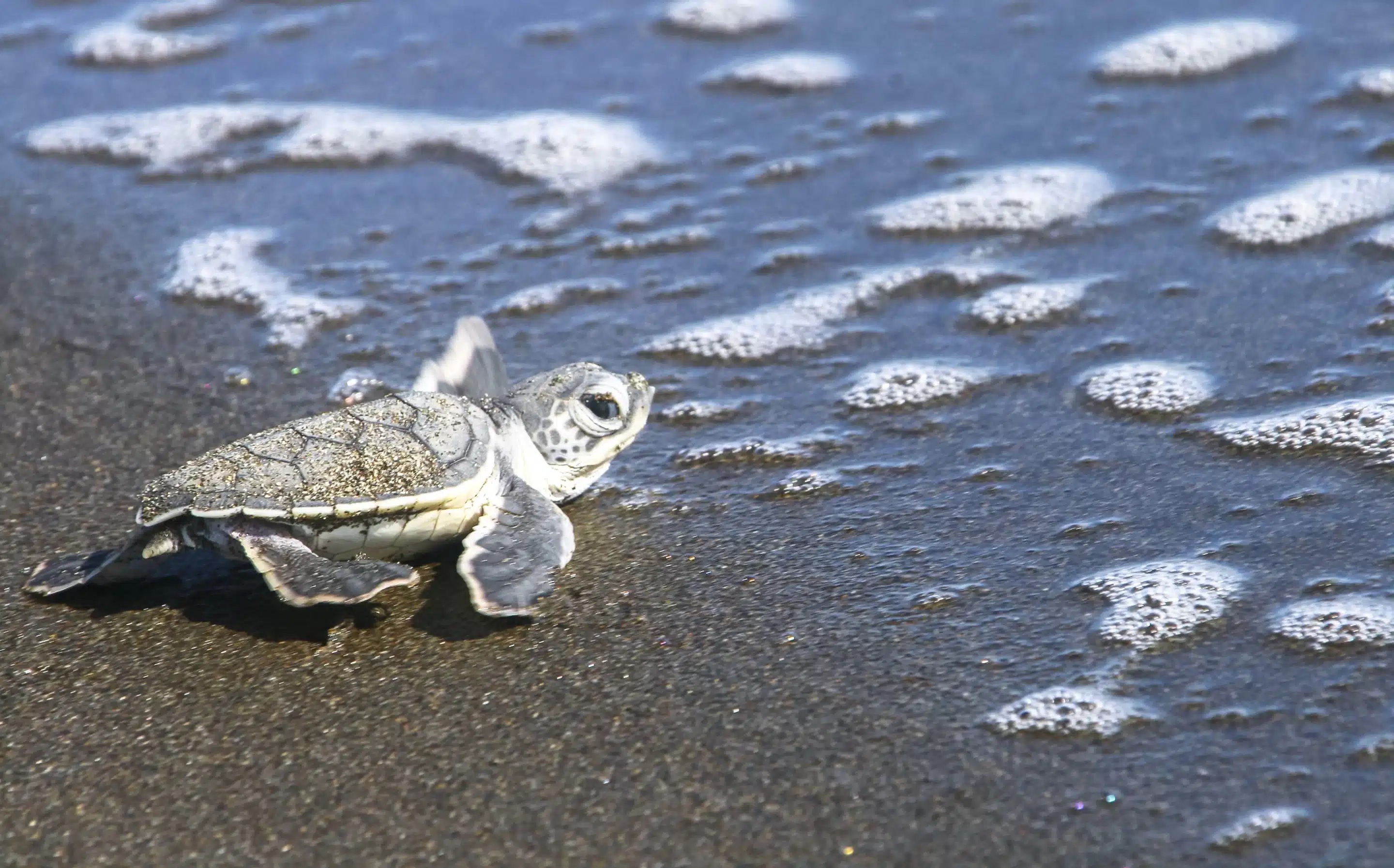
Witnessing the journey of baby turtles to the sea is a heartwarming spectacle along Costa Rica's shores.

Witness Turtle Nesting in Costa Rica!

Witnessing how sea turtles lay eggs and baby turtles swim to the ocean is a unique chance to enjoy Costa Rica’s incredible natural wonders and diverse ecosystem. 

If you want to see sea turtle nests up close at these amazing spots, contact Find My Costa Rica! We’ll help you plan your visit and experience this fantastic event for yourself.

The rainy season is genuinely wonderful for travelers who prepare for it. Crowds are smaller, forests are greener, and waterfalls are at their most dramatic. It rains hard, but usually in defined afternoon windows — mornings are often clear.

Want the full picture? Our guide to Costa Rica’s rainy season covers what to expect region by region.

What to pack by activity

Do not repeat your master checklist here these are the additions that matter for specific trip types. Grab what applies to your itinerary and leave the rest.

Beach and water sports

  • Rash guard sun protection in the water is more effective than sunscreen alone
  • Waterproof phone case or action cam housing
  • Reef-safe sunscreen mandatory in marine reserves; this is not a suggestion
  • Water shoes for rocky beaches and shallow reef walks

Hiking and national parks

  • Trekking poles especially useful on steep, wet trails in Corcovado or Chirripó
  • Gaiters for deep mud on rainy season trails
  • Extra headlamp batteries early morning wildlife walks start before dawn
  • Microfiber towel compact and dries fast between hikes

Wildlife watching

  • Binoculars note that most FMCR partner guides carry loaners, so check with your guide before packing yours
  • Zoom lens (200mm or more) for photographing birds and monkeys at distance
  • Early-morning layers wildlife is most active before 8am when temperatures are still low
  • Silent, dark-colored clothing neon colors startle wildlife

City and culture (San José and beyond)

  • Money belt or anti-theft bag  pickpocketing exists in busy market areas
  • Light cardigan or blazer for nicer restaurants
  • Comfortable walking shoes  cobblestones in Barrio Amón are tough on sandals
Traveler enjoying a Costa Rica sunset view from a scenic overlook

What NOT to pack for Costa Rica

This is the section most travelers wish they had read first. Overpacking is the number one complaint we hear from guests on their first day. Less really is more when you are moving between regions.

Jeans: They never fully dry in the humidity. Swap them for quick-dry pants or shorts and thank yourself on day two.

High heels or dress shoes: You will not need them. Even nice restaurants in Costa Rica are casual. One pair of clean trail sandals does the job.

Too many shoes: Three pairs maximum: waterproof sandals, trail shoes, and flip flops. Shoes are heavy and take space.

Non-reef-safe sunscreen: It is prohibited in several reserves and harmful to marine ecosystems. Bring reef-safe from home. Brands like Raw Elements and Badger are good options.

A hair dryer: Almost every hotel and lodge provides one. Leave yours at home.

Valuables you cannot afford to lose: Leave the expensive jewelry and the laptop you need for work. Use your trip as a proper break.

Cotton everything:Cotton absorbs moisture and stays wet all day. Pack synthetics or merino for everything except maybe one casual outfit.

Practical tips for packing smart: documents, money, and tech

Your passport must be valid for the full duration of your trip.

Customs also requires a tiquete de salida proof of onward travel out of Costa Rica. This can be a return flight or a bus ticket to a neighboring country. Have it printed or easily accessible on your phone. See Costa Rica national park regulations via SINAC for entry requirements at protected areas.

Money

  • Colones (CRC) are the local currency; USD is widely accepted but change is given in colones
  • ATMs are available in most towns withdraw colones there rather than exchanging at the airport, where rates are poor
  • Visa and Mastercard accepted at most hotels, restaurants, and tour operators; carry some cash for small sodas and local markets

Health prep

Check the CDC health recommendations for Costa Rica before your trip they cover vaccines, repellent, and food safety guidance. Travel insurance is not required by law, but we strongly recommend it for anyone doing adventure activities.

Tech

  • Costa Rica runs on 110V/60Hz US travelers need no adapter or converter
  • Cell coverage is solid in tourist areas; download offline maps before heading into remote zones
  • WhatsApp is the primary communication tool in Costa Rica make sure it is installed and working


Tropical hot springs surrounded by rainforest in Costa Rica
Do I need a visa to visit Costa Rica?

US, Canadian, and UK citizens do not need a visa to enter Costa Rica for stays up to 90 days. Your passport must be valid for the full duration of your trip. You will need to show a return or onward ticket at customs.

Is tap water safe to drink in Costa Rica?

Yes in most areas. Tap water in San José, Guanacaste, La Fortuna, and other major tourist regions is safe to drink and often tastes good. In very remote or rural communities, confirm locally before drinking. Carry a reusable bottle and refill with confidence in most places.

What is the best luggage for a Costa Rica trip?

A soft-sided rolling suitcase works well if you are staying in one or two places. If you are moving between regions beach, rainforest, and volcano a mid-size backpack (40–50L) is far more practical. It fits in small boats, shuttles, and keeps your hands free on trails. We see guests arrive with giant hard-shell suitcases and spend the trip wishing they had packed a bag.

Do I need to bring bug spray to Costa Rica?

Yes. We recommend a picaridin-based repellent like Sawyer 20% over DEET it works just as well in tropical conditions, does not damage gear or plastics, and has no harsh smell. Apply it especially at dawn and dusk during the rainy season.

You may also like

Facts About Costa Rica Every Traveler Should Know

Facts About Costa Rica Every Traveler Should Know

Looking for the most interesting facts about Costa Rica before you visit? You’ve come to the right place. We’re a destination management company based right here in Costa Rica, and we live these facts about Costa Rica every day. The volcano smoking on the horizon....

Costa Rica Packing List 2026: Everything You Need for Your Trip

Costa Rica Packing List 2026: Everything You Need for Your Trip

Here is a packing mistake almost every traveler makes on their first Costa Rica trip: they pack too many shoes. Or they forget reef-safe sunscreen which is not just a recommendation but a requirement in several national parks and marine reserves. Either way, they...

The Real Meaning of Costa Rica’s Iconic Phrase “Pura Vida”

The Real Meaning of Costa Rica’s Iconic Phrase “Pura Vida”

If you’ve ever interacted with a Tico (a native Costa Rican) or researched this tropical paradise, you’ve undoubtedly come across two words: “Pura Vida.” But what is the real Pura Vida meaning? Is it just a slogan, or something deeper? What Does Pura Vida Mean? (The...

Shopping cart0
There are no products in the cart!
Continue shopping
0