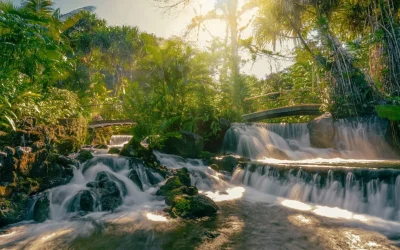
Costa Rica is a country with stunning natural beauty around every corner. Whether you’re exploring gorgeous beaches, cloud forests, or national parks, you’ll be amazed by its many natural wonders.
If you have been dreaming of visiting this tropical paradise, we’ve got something for you! We’ll show you a selection of six Costa Rican hidden gems you need to include in your trip. Let’s begin!

The 6 Destinations You Can’t Miss in Costa Rica
Costa Rica offers many extraordinary destinations that should be at the top of every traveler’s list. Whether an outdoor enthusiast or a nature lover, these six must-visit destinations promise an unforgettable experience.
#1 Manuel Antonio National Park
Manuel Antonio should be on your Costa Rica itinerary. Located on the Central Pacific Coast, the area is known for its rugged rainforest, stunning beaches, and coral reefs.
The park is home to diverse wildlife, including monkeys, sloths, iguanas, snakes, and over 1,000 bird species. It also has several hiking trails, ranging from easy to challenging. From the entrance to Manuel Antonio Beach, the main trail takes 2 to 3 hours to complete.
Whether you’re hiking through the forest, swimming at the beach, or just relaxing on the sand, you’ll have a blast.
Here are some excellent tours to help you discover this hidden gem:
- All In – Manuel Antonio One Pass.
- Kayaking Sea & Snorkel.
- Mangrove Boat Tour.
- Nauyaca Waterfall Guided Tour from Manuel Antonio.
- Whale Watching Tour from Manuel Antonio.
- Local Flavors and Spice Garden Guided Tour.
#2 Santa Teresa Beach
Surrounded by the natural wonders of the Puntarenas Province, Santa Teresa captures the hearts of its visitors and inhabitants because of its sandy beaches, fresh waters, and lush greenery.
This charming location is also a surfer’s paradise! With excellent waves, this sandy beach attracts surfers from all over the world. But that’s not all. You can go on fishing excursions, indulge in artisan experiences, visit a wildlife refuge, and swim in tide pools in the area. This is why we’ve included it in our list of the six hidden places in Costa Rica.
In addition to the natural wonders, Santa Teresa has a deep local culture, offering an immersive respite from the world. Locals enjoy the slow pace, where life takes priority over gadgets. You’ll also find yoga classes and holistic wellness programs that will bring you to another level of relaxation and well-being.
#3 Monteverde
Monteverde is a great place to experience nature at its purest. With over 2,500 plant species, it offers a treasure trove of biological diversity unlike anywhere else. You’ll find mist-covered cloud forest reserves and incredible encounters with local wildlife.
The highlight of Monteverde is the Monteverde Cloud Forest Reserve. Taking up over 26,000 acres, this beautiful sanctuary is a paradise for nature lovers.
Here are some fun adventures you can do in the area:
- Sky Tram Ziplines & Sky Trek Aerial Tramway Monteverde.
- Selvatura Monteverde Canopy Tour.
- Horseback Riding Tour in Monteverde Mountain and Farm.
- 450 Feet Extreme Bungee Jumping Tour.
- Night Walk in Monteverde Cloud Forest.
- Walk in Monteverde Cloud Forest Biological Reserve.
#4 Puerto Viejo de Talamanca & Gandoca Manzanillo Wildlife Refuge
Just north of the Panamanian border in Talamanca County is the private-state Gandoca Manzanillo Wildlife Refuge, home to natural mangrove oyster beds and endangered species like manatees and sea turtles.
Besides being a sanctuary for the area’s ecosystem, you’ll also find some of the most remote beaches and the same breathtaking beauty that makes the Caribbean famous.
The vast combination of land, beach, and sea landscapes, along with the local culture, makes it a beautiful destination for visitors. Spend time hiking or enjoying adventure activities, like snorkeling, and admire the natural beauty of this magical location.
Puerto Viejo de Talamanca, also on Costa Rica’s Caribbean Coast, is a vibrant beach town packed with unique things to do. This location is the perfect getaway for beach lovers. Here, you can experience a relaxed lifestyle where reggae music, delicious food, and friendly locals create a warm and inviting atmosphere.
Here are some of the most popular beaches in the area:
- Playa Puerto Viejo: It has powerful and unpredictable waves, making it one of the top surf spots in the country.
- Playa Cocles: With golden sand and crystal-clear waters, Playa Cocles is one of the most popular beaches in the area.
- Punta Uva Beach: Located south of Puerto Viejo, Punta Uva Beach is a picture-perfect tropical paradise.
- Playa Chiquita: This secluded beach is located south of Playa Cocles and is great for snorkeling and swimming.
- Playa Negra: A black sand beach that provides a unique perspective of the striking turquoise waters of the Caribbean Sea.
Near the area, you can also visit other unique spots like Limon, Cahuita National Park, or Manzanillo.
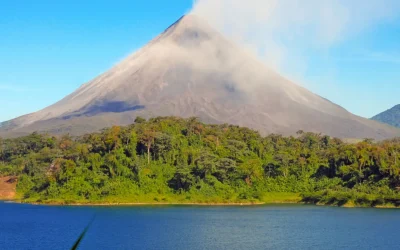
#5 La Fortuna and Arenal Volcano
La Fortuna is one of Costa Rica’s best-hidden gems. It has great natural marvels that awe you at every turn, including stunning wildlife, natural hot springs, and popular attractions like hanging bridges, chocolate tours, sloth tours, safari river floats, and more!
La Fortuna’s lush landscape makes for a mesmerizing horseback riding adventure. Discover scenic trails, meander through lush rainforests, and enjoy the stunning Arenal Volcano views. You can also go on an incredible hike to Rio Celeste, which is located in the Tenorio Volcano National Park. The trail leads you to Rio Celeste waterfall, with its stunning turquoise water.
Take a look at other secret spots you can discover :
- The Sweet & Slow Adventure: Arenal’s Chocolate and Sloth Tour.
- Don Juan Coffee and Chocolate Tour.
- 8 Hour Hanging Bridges & Waterfall Tour.
- Sloth Encounter and Safari River Float with Riverside BBQ Tour.
- Canopy Zip Line Tour and White Water Rafting in Balsa River Class 2 and 3.
- La Fortuna Highlights Package 4 in 1 with Hot Springs.
#6 Osa Península
The Osa Peninsula is a true hidden treasure located far away on Costa Rica’s Pacific Coast. Nature lovers will be infatuated with this little piece of Costa Rica!
This is where two powerful ocean currents meet, creating a home for sea life, including majestic whales. Aside from that, there are rainforests, mangroves, and coral reefs.
Some of the most popular destinations in this area include:
Puerto Jiménez:
In Puerto Jimenez, you can explore Corcovado National Park, which has one of the most diverse ecosystems in the world and is home to exotic wildlife like monkeys, jaguars, and macaws.
Additionally, you can visit Puerto Jimenez Mangrove Estuary, which is a mangrove forest with a thriving ecosystem where you can see crocodiles and sea turtles. There is also the Osa Wildlife Sanctuary, a rescue center for orphaned and injured animals, such as monkeys, sloths, and toucans.
Drake Bay:
Drake Bay is a great place to snorkel and scuba dive. The waters are home to colorful fish, coral reefs, and sometimes even dolphins, sea turtles, and humpback whales. A must-visit for scuba diving is Caño Island! Keep in mind, though, that dolphins are in Drake Bay year-round, while humpback whales are seasonal.
Golfito
Golfito promises to capture your heart and awaken your sense of adventure. Beach lovers looking for water sports and sea adventures will find a paradise in Golfito’s warm waters and pristine sandy beaches. Spend your days swimming in the ocean, surfing, or paddleboarding.
Scuba diving and sport fishing are also popular in Golfito. You can also take a boat tour to explore the stunning coastline of Golfito and discover hidden coves.

Get a Pura Vida Experience with Find My Costa Rica
When visiting Costa Rica, you’ll be captivated by the diverse landscapes and natural beauty.
Even though we covered six hidden gems in Costa Rica, there are still many enchanting places to explore. These include the pristine beaches of Cabo Blanco Nature Reserve, the marine wonders of Marino Ballena National Park, and the volcanic landscapes of Rincon de la Vieja!
Get started and plan your Pura Vida adventure with us! Contact Find My Costa Rica and let us guide you through the most beautiful places and secluded locations our country offers. Beyond the breathtaking scenery, the warmth and hospitality of Costa Ricans will make your journey unforgettable.