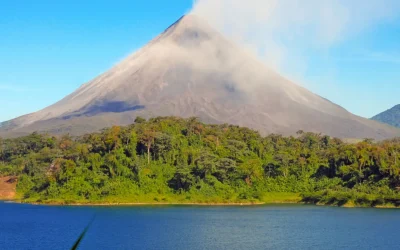
Costa Rica, located in Central America, is a sanctuary where the diversity of nature enriches every traveler’s soul. Whether it’s your first visit or a return to this beloved paradise, knowing the best way to visit Costa Rica ensures a memorable and personalized adventure. Here’s your step-by-step guide to exploring the rich landscapes and vibrant culture of this Central American jewel.
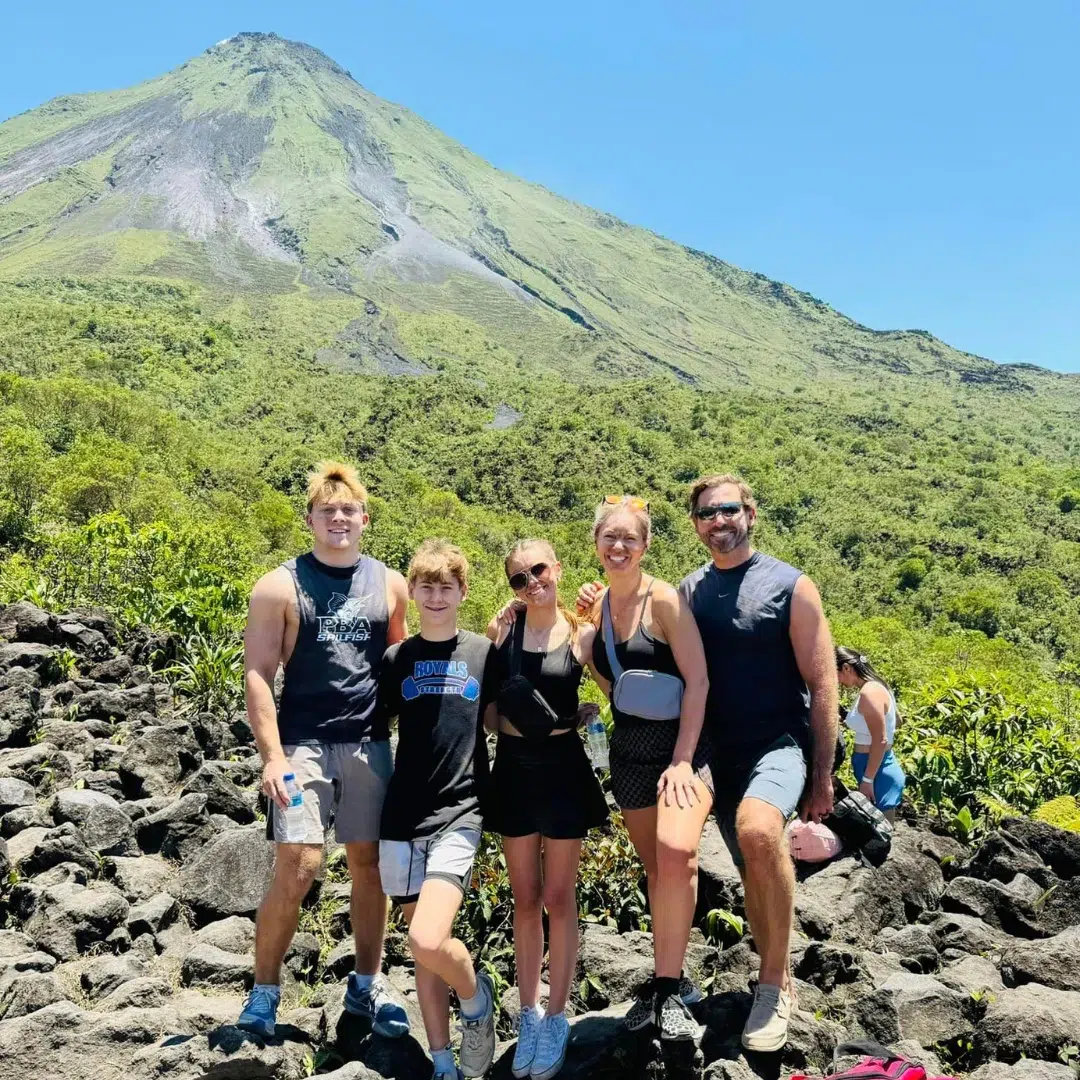
Step #1: Decide Which Regions You Want To Visit
Costa Rica offers a diverse palette of environments, each with unique attractions. With coastlines along both the Caribbean Sea and the Pacific Ocean, the country provides a variety of experiences. The Caribbean coast is known for its laid-back atmosphere and rich Afro-Caribbean culture, while the Pacific side boasts some of the best surfing spots in the world. Inland, the cloud forests of Monteverde offer cool retreats and incredible biodiversity, and the volcanic regions around Arenal present hot springs and lush jungle hikes. Choosing the right regions to visit can tailor your experience to your interests, whether they lean towards relaxation, adventure, wildlife, or history.
Top Picks for Costa Rica Destinations
Monteverde
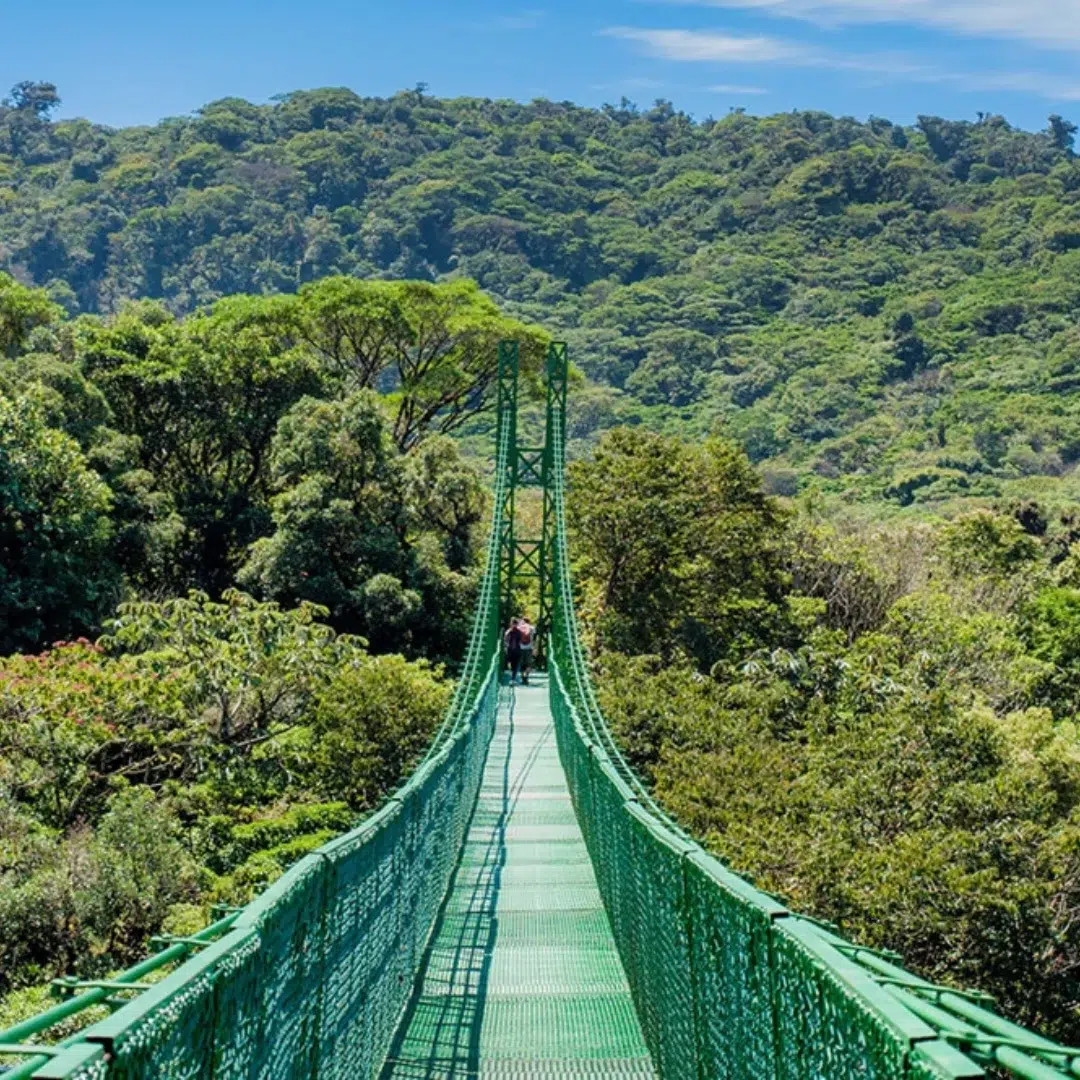
Known for its mystical cloud forests, Monteverde is a haven for nature lovers and birdwatchers. The Monteverde Cloud Forest Reserve is world-renowned for its biodiversity and is home to the resplendent quetzal. The area’s extensive network of suspension bridges offers breathtaking views of the canopy.
La Fortuna
Situated near the Arenal Volcano, La Fortuna is a hub for adventure and relaxation. The region is famous for its hot springs, naturally heated by volcanic activity, and for offering a plethora of outdoor activities such as waterfall rappelling, hiking, and kayaking around Lake Arenal.

Tortuguero National Park
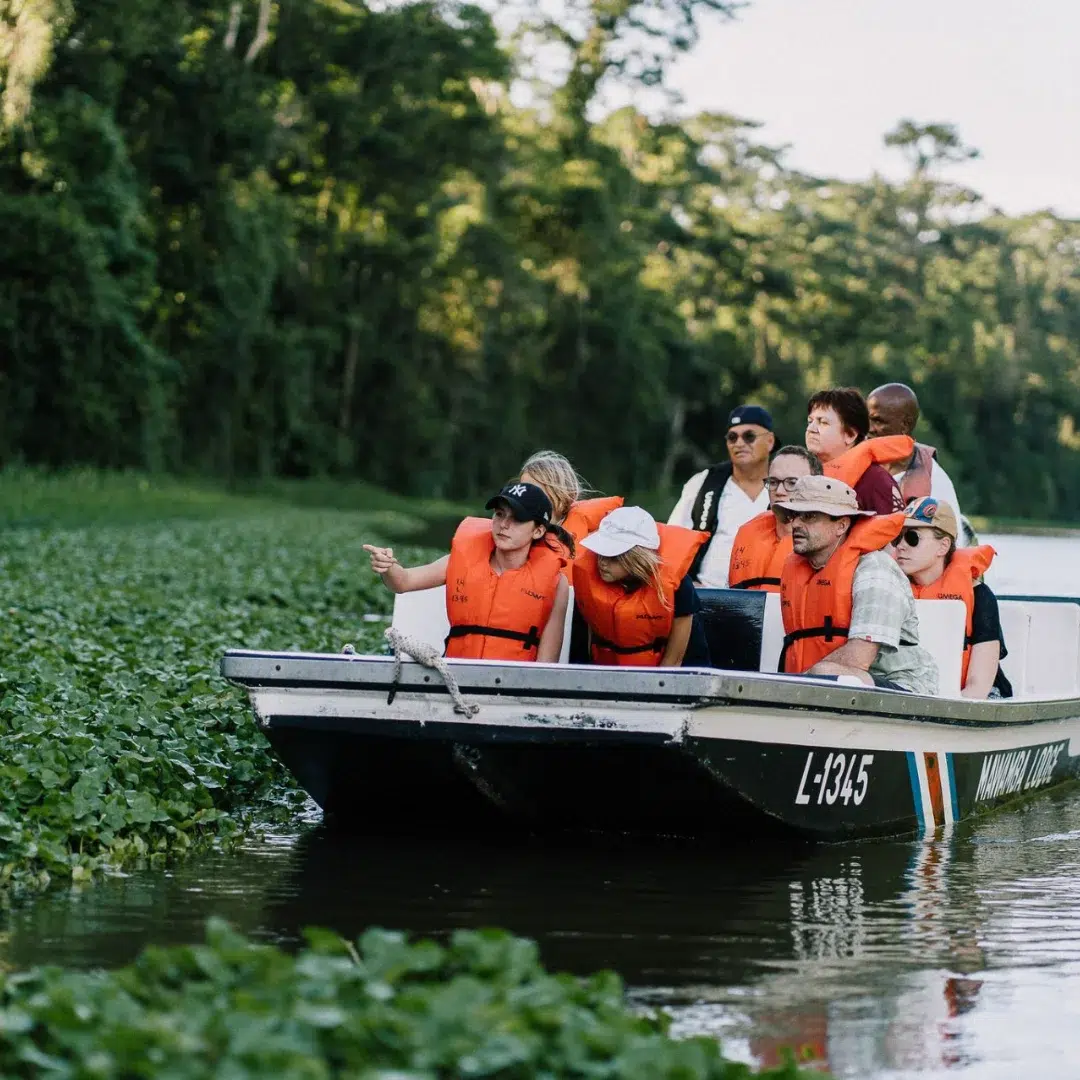
This park is a labyrinth of mangrove forests and navigable lagoons, where visitors can witness the awe-inspiring sight of sea turtles nesting. It offers a blend of thriving coral reefs, white sandy beaches, and coastal rainforests, providing ample opportunities for snorkeling and wildlife viewing.
Manuel Antonio
This coastal paradise combines dense rainforest with spectacular white-sand beaches. Manuel Antonio National Park is compact but teems with wildlife, including sloths, monkeys, and various tropical birds. It’s ideal for those who want to combine ecological exploration with oceanic activities like snorkeling and surfing.
Guanacaste
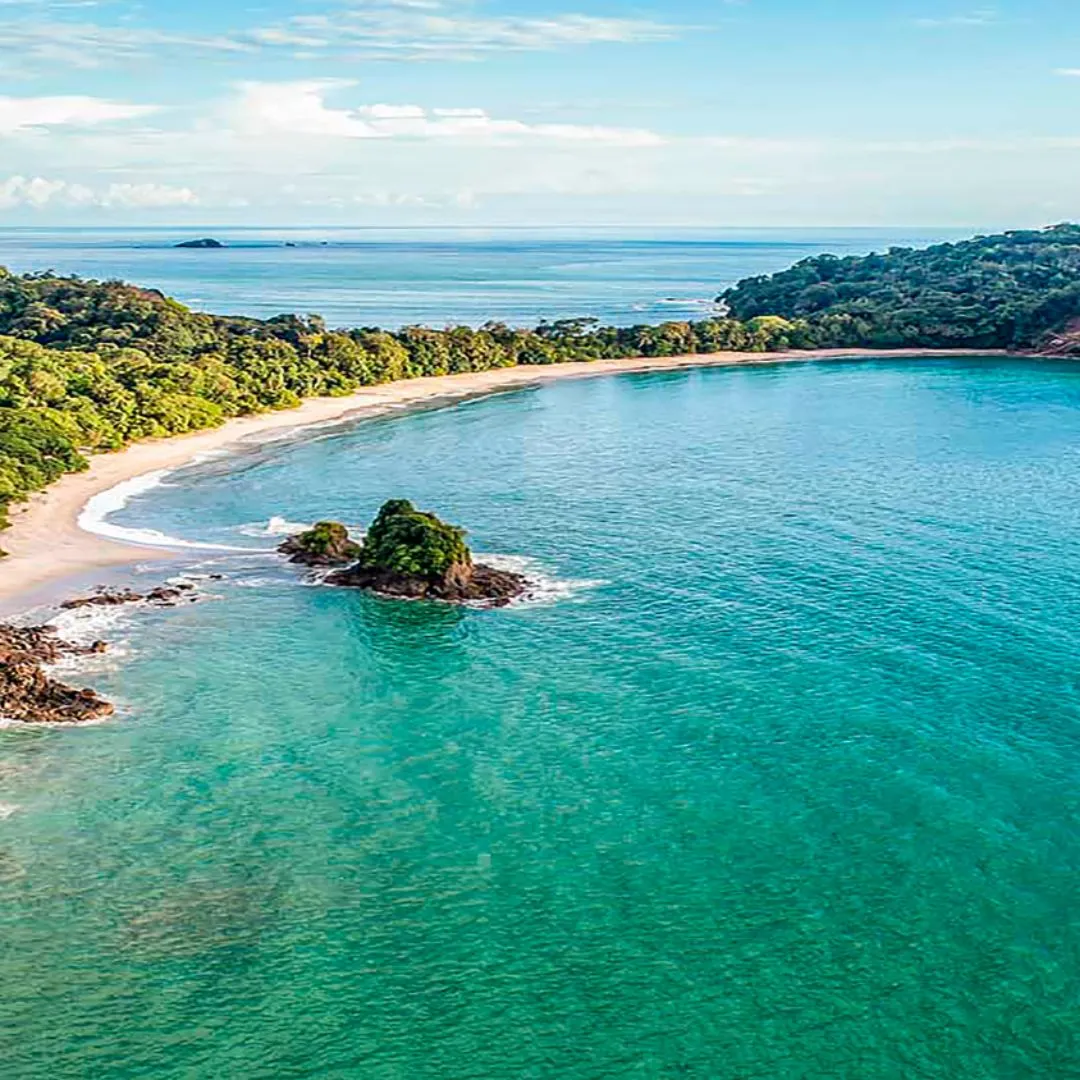
Known for its beautiful beaches and vibrant culture, Guanacaste offers an authentic glimpse into Costa Rican life. The region is also a great spot for surfing, with Tamarindo and Playa Hermosa attracting surfers from around the globe. Additionally, the inland areas provide opportunities to explore dry tropical forests and cultural heritage sites.
Step #2: Plan Your Itinerary
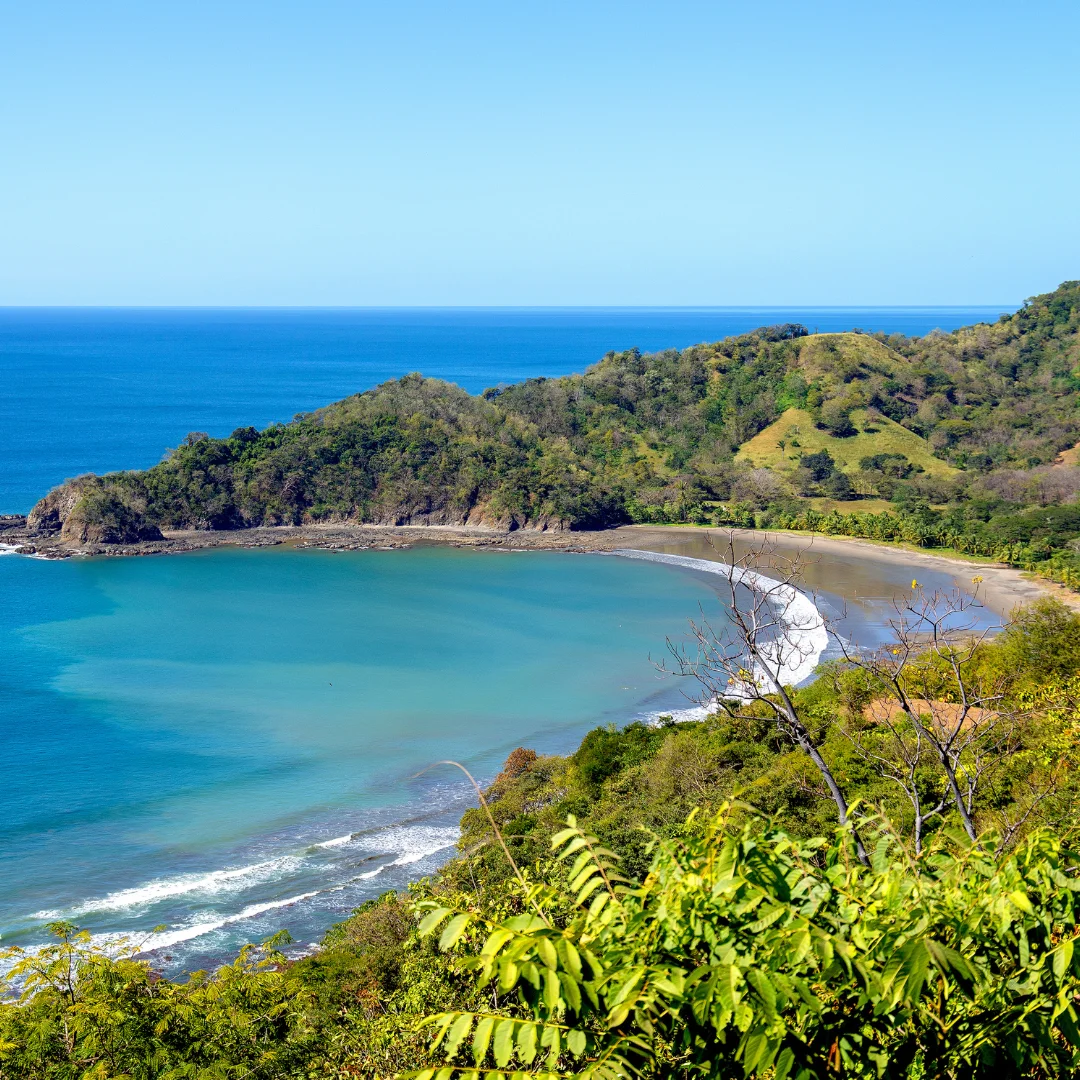
Once you’ve decided on the regions, planning your itinerary is next. If you’re looking to explore deeply, consider staying longer in fewer places rather than hopping quickly from one spot to another. For instance, spending a few days in Tortuguero to witness the turtle nesting (depending on the season) can be more rewarding than a single overnight stay. Keep in mind that Costa Rica’s roads can be challenging, so renting a high-clearance SUV with all-wheel drive is recommended for navigating them. Use Find My Costa Rica to craft an itinerary that covers all your must-see locations and activities, balancing travel time with adventure.
Sample Itinerary for Costa Rica
Day 1-3: San José and Central Valley
-
Arrive at Juan Santamaría International Airport in San José.
-
Explore the capital city, visit the National Museum, and enjoy the local cuisine.
-
Take a day trip to Poás Volcano and La Paz Waterfall Gardens.
Day 4-6: Arenal and La Fortuna
-
Drive or take a shuttle to La Fortuna.
-
Spend a day hiking around Arenal Volcano National Park.
-
Relax in the hot springs.
-
Engage in adventure activities like zip-lining or white-water rafting.
Day 7-9: Monteverde
-
Travel to Monteverde.
-
Explore the Monteverde Cloud Forest Reserve.
-
Walk the suspension bridges and visit the butterfly garden.
-
Enjoy a night hike to see nocturnal wildlife.
Day 10-12: Manuel Antonio
-
Head to Manuel Antonio.
-
Spend time at Manuel Antonio National Park.
-
Relax on the beaches and take part in water activities like snorkeling or surfing.
-
Visit nearby towns for local culture and cuisine.
Day 13-14: Guanacaste
-
Travel to Guanacaste.
-
Relax on the beaches, surf, or explore the inland areas.
-
Enjoy a sunset sail or horseback riding on the beach.
Day 15-17: Tortuguero
-
Journey to Tortuguero, located on the country’s Caribbean coast.
-
Explore Tortuguero National Park, known for its canals and rich wildlife.
-
Learn about the cultural influences and significance of this coastal area.
-
Participate in turtle watching tours and visit the local village.
Step #3: Arrange Your Travel
International visitors typically fly into Juan Santamaría International Airport in San José or Daniel Oduber Quirós International Airport in Liberia, Costa Rica’s primary gateways.
Common Transportation Options in Costa Rica
Public Buses: Cost-Effective but Time-Consuming
-
Public transportation is budget-friendly and offers an authentic experience of local life.
-
Buses connect major cities and remote areas, but frequent stops can make the journey long.

City Taxis: Convenient for Short Distances
-
Official red taxis are metered and reliable.
-
Avoid what locals call “taxis piratas” which translates to pirates- illegal taxis, which are not licensed and can be risky.

Rent a Car: Freedom with Responsibilities
-
Renting a car allows you to explore at your own pace.
-
Be aware of additional responsibilities such as insurance, navigation, and road conditions.
-
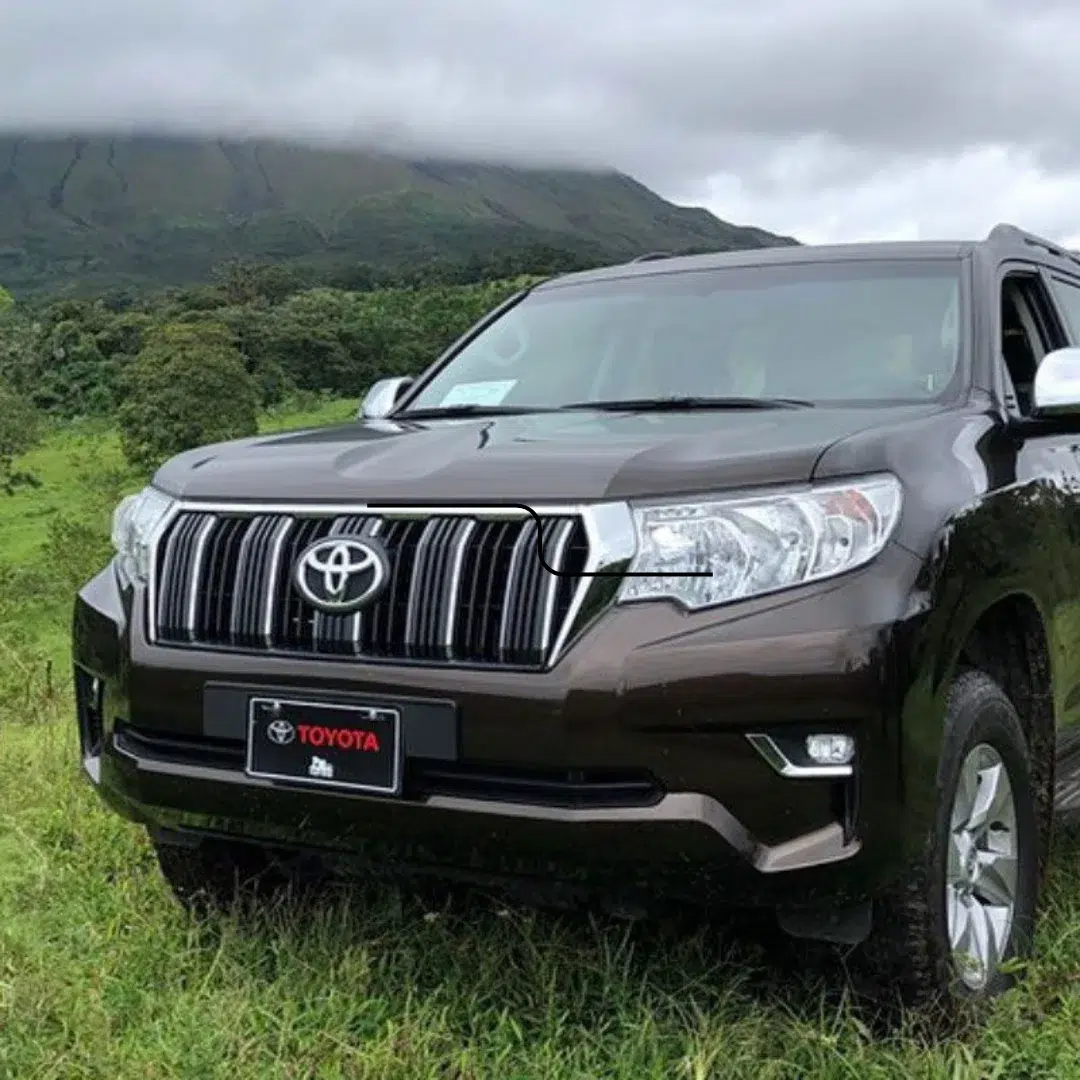
Given Costa Rica’s roads, it’s recommended to rent a high-clearance SUV with all-wheel drive for a smoother experience.
Domestic Flights: Quick Hops Between Major Destinations
-
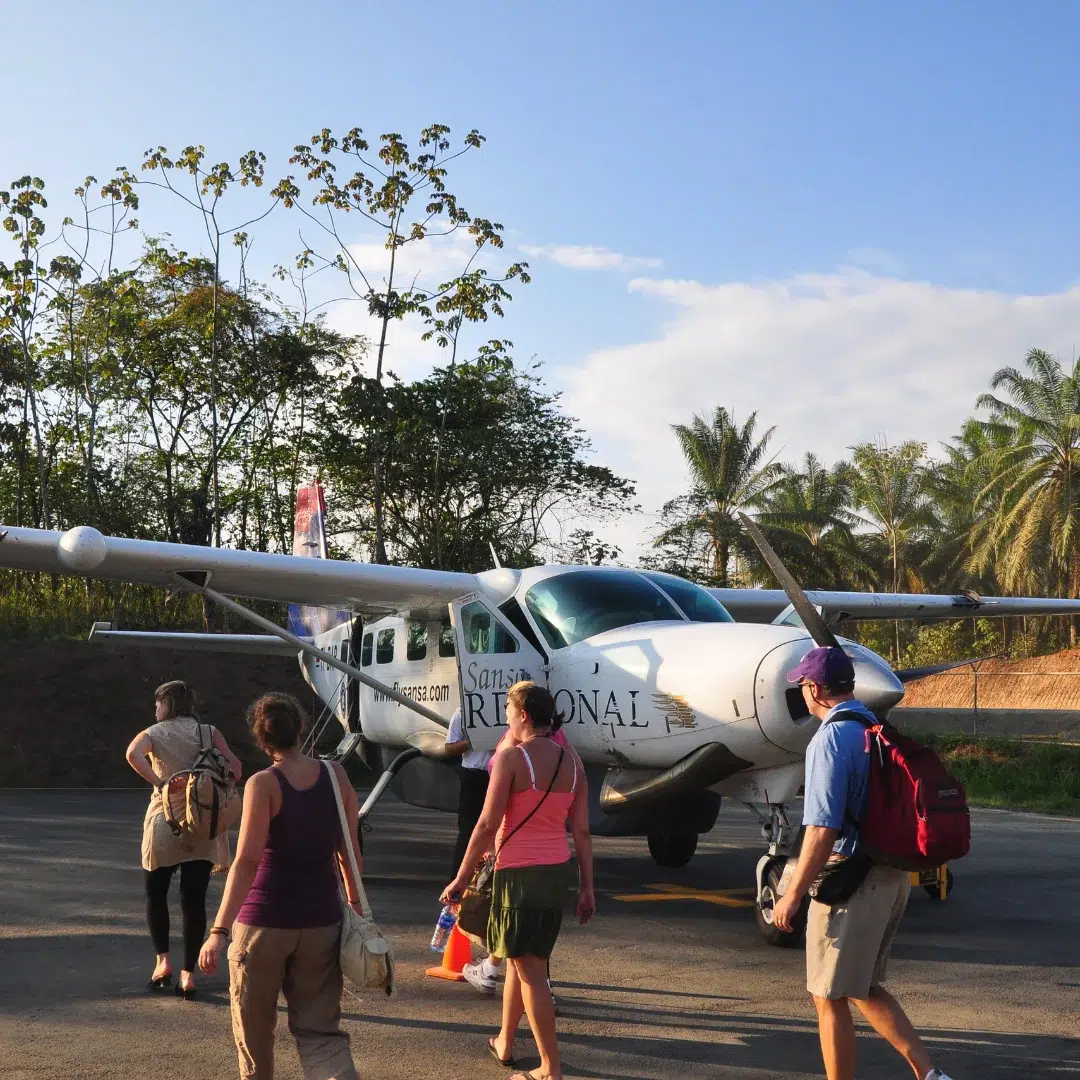
Domestic airlines like Sansa, Prestige Wings, and Aero Caribe offer fast connections.
-
Ideal for maximizing exploration time with direct routes to destinations like Limón, Tortuguero, Drake Bay, Quepos, Nosara, Tamarindo, and La Fortuna.
Step #4: Book Your Accommodations
Costa Rica offers a range of accommodations, from luxurious resorts to charming eco-lodges. Booking your stay according to your itinerary not only ensures convenience but also enhances your experience. For example, staying in an eco-lodge near Corcovado National Park can be a profound immersion into nature. Early reservations are recommended to secure the best places at the best rates.
Types of Accommodations in Costa Rica
Luxury Resorts
-
Ideal for those seeking comfort and high-end amenities.
-
Often located in prime tourist areas with easy access to attractions.
Eco-Lodges
-
Perfect for nature enthusiasts.
-
Usually situated in remote areas, providing an immersive natural experience.
Budget Hostels
-
Great for backpackers and budget travelers.
-
Offer basic amenities and a chance to meet fellow travelers.
Vacation Rentals
-
Suitable for families or groups.
-
Provide the comfort of home with facilities like kitchens and living spaces.
Step #5: Book Your Adventure Tours
Whether it’s zip-lining through the canopy in Monteverde, rafting on the Pacuare River, or snorkeling in Cahuita, booking your adventure tours in advance ensures you won’t miss out on the thrilling experiences Costa Rica has to offer. Find My Costa Rica can help arrange tours with trusted operators to ensure safety and quality.
Popular Adventure Activities in Costa Rica
Zip-Lining
-
Available in many regions like Monteverde and Arenal.
-
Offers a thrilling way to see the rainforest from above.
White-Water Rafting
-
Pacuare River is famous for its challenging rapids and stunning scenery.
-
Suitable for both beginners and experienced rafters.
Snorkeling and Diving
-
Cahuita and the Gulf of Papagayo offer excellent underwater experiences.
-
Explore vibrant coral reefs and marine life.
Hiking
-
Numerous trails in national parks like Corcovado and Manuel Antonio.
-
Discover diverse flora and fauna on guided or self-guided hikes.
Surfing
-
Tamarindo and Santa Teresa are top spots for surfing.
-
Suitable for all levels, from beginners to advanced surfers.
Step #6: Secure Necessary Travel Documents
Ensure your passport is valid for at least six months beyond your planned departure date. Visitors from many countries do not require a visa for stays of up to 90 days, but it’s crucial to check entry requirements based on your nationality before traveling. Consider travel insurance to cover any unforeseen events.
Travel Tips for Entry to Costa Rica
-
Check Visa Requirements: Verify if you need a visa based on your nationality.
Step #7: Additional Planning
Consider your health by checking if you need any vaccinations before travel. Also, plan how you’ll manage your money, whether it’s exchanging currency or using credit cards. Inform your bank of your travel plans to avoid any issues with card usage overseas.
Health, Safety, and Costa Rican Cuisine Tips
-
Vaccinations: Check with your doctor for recommended vaccinations.
-
Travel Insurance: Protect yourself against unforeseen events.
-
Local Health Care: Know where to find medical facilities in case of emergencies.
Money Management
-
Currency: The Costa Rican Colón (CRC) is the local currency.
-
Credit Cards: Widely accepted in tourist areas, but carry cash for remote locations.
-
ATMs: Available in most towns and cities.

Step #8: Packing for Costa Rica
Packing for Costa Rica varies by region and the activities planned. Essentials include a good pair of hiking boots, swimwear, rain gear, and eco-friendly sunblock. Packing light is advisable, but make sure to include all your necessities.
Packing Essentials
-
Clothing: Lightweight, breathable clothes for warm weather, and layers for cooler cloud forest regions.
-
Footwear: Sturdy hiking boots and comfortable sandals.
-
Swimwear: For beaches and hot springs.
-
Rain Gear: Essential for rainy seasons and cloud forests.
-
Sun Protection: Eco-friendly sunscreen, hat, and sunglasses.
-
Health Kit: Basic first aid supplies and personal medications.
Ready To Plan Your Costa Rica Trip?
The best way to visit Costa Rica is to immerse yourself in its natural beauty and adventures through thoughtful planning and preparation. By following these steps, you can ensure a trip that’s both exciting and smooth.
Ready for the adventure of a lifetime in Costa Rica? Contact Find My Costa Rica today, and let us tailor your perfect vacation based on your personal preferences and interests. Let’s make your travel dreams come true!
Frequently Asked Questions
What is the best time to visit Costa Rica?
The best time to visit Costa Rica is during the dry season, from mid-December to April. This period offers plenty of sunshine, making it ideal for exploring beaches and national parks. However, the rainy season (May to November) is also a great time to visit, especially for those interested in fewer crowds, lush landscapes, and lower prices.
Do I need a visa to travel to Costa Rica?
Visitors from many countries, including the United States, Canada, and most European countries, do not need a visa for stays up to 90 days. Ensure your passport is valid for at least six months beyond your planned departure date. Check the specific visa requirements based on your nationality before traveling.
Is Costa Rica safe for travelers?
Costa Rica is considered one of the safest countries in Central America for travelers. However, like any destination, it’s important to take standard precautions such as avoiding isolated areas at night, securing valuables, and being aware of your surroundings.
What should I pack for a trip to Costa Rica?
Pack light and include essentials such as lightweight clothing, sturdy hiking boots, swimwear, rain gear, eco-friendly sunscreen, and a basic health kit. Tailor your packing list to the regions you plan to visit and the activities you will engage in.
What currency is used in Costa Rica, and can I use credit cards?
The official currency of Costa Rica is the Costa Rican Colón (CRC). Credit cards are widely accepted in tourist areas, but it’s advisable to carry some cash for remote locations. Inform your bank of your travel plans to avoid any issues with card usage overseas.