What are the “Faroles” for Independence Day in Costa Rica?

Every year, on the night of September 14th, Costa Ricans gather to commemorate the independence of Central America from the Spanish conquistadors. They celebrate in a manner that is quite distinctive compared to other celebrations in the region.

They create “faroles,” handmade lanterns that symbolize the 19th-century journey delivering the message of Central American independence to Costa Rica. Over the years, these “faroles” have become integral to Costa Rica’s Independence Day celebrations.

Each farol is meticulously crafted, often taking on simple structures made of paper, similar to a red, white, and blue accordion with a candle inside. These lanterns symbolize the beacon of hope that independence brought to the Central American countries.

Faroles, Costa Rica, is a tradition that dates back to the country's independence day.

The History Behind Costa Rica’s Faroles

The lantern parades integral to Costa Rica’s Independence Day celebrations bear a fascinating history, echoing the spirit of liberation. The narrative often attributed to the origin of this tradition involves a brave Guatemalan woman named María Dolores Bedoya.

Bedoya made a daring move on the night of September 14, 1821, amid the enthusiasm of the Central American independent movement in Antigua, Guatemala. She ventured into the night with only a glowing lantern and a firm conviction. As she navigated the town’s streets, her mission was clear: to rally the citizens in support of independence.

This continued until the following day. That’s why, on September 15, 1821, many people assembled around the National Palace of Guatemala, where the aristocracy was deliberating independence. Bedoya addressed the crowd, her speech punctuated by the rhythm of marimba music and the scent of gunpowder. She urged them to raise their voices in support of independence.

Inside the National Palace, the undecided leaders heard the clamor and, fearing an impending attack, were spurred to sign the Act of Independence.

The huge significance of “faroles” for Costa Ricans

As a result of those pivotal nights, lanterns, or faroles, have become cherished traditions in Costa Rica. Amid Independence Day celebrations, each flickering farol stands as a powerful symbol of freedom and unity.

Today, faroles come in all shapes and sizes, with bright reflectors accentuating giant crests adorned with the Costa Rican flag. These lanterns symbolize not only the enduring resilience of María Dolores Bedoya but also the collective bravery of those who stood alongside her in the shared quest for independence.

Typically, these lanterns are crafted in schools during preparations for the civic festival marking Costa Rica’s Independence Day on September 15.

Why do Costa Ricans celebrate Independence Day with a lantern parade?

Because it’s a reflection of their enduring spirit of unity, their respect for history, and their unabated love for their country. Each lantern represents a story of resilience, symbolizing the light of freedom that continues to guide the nation.
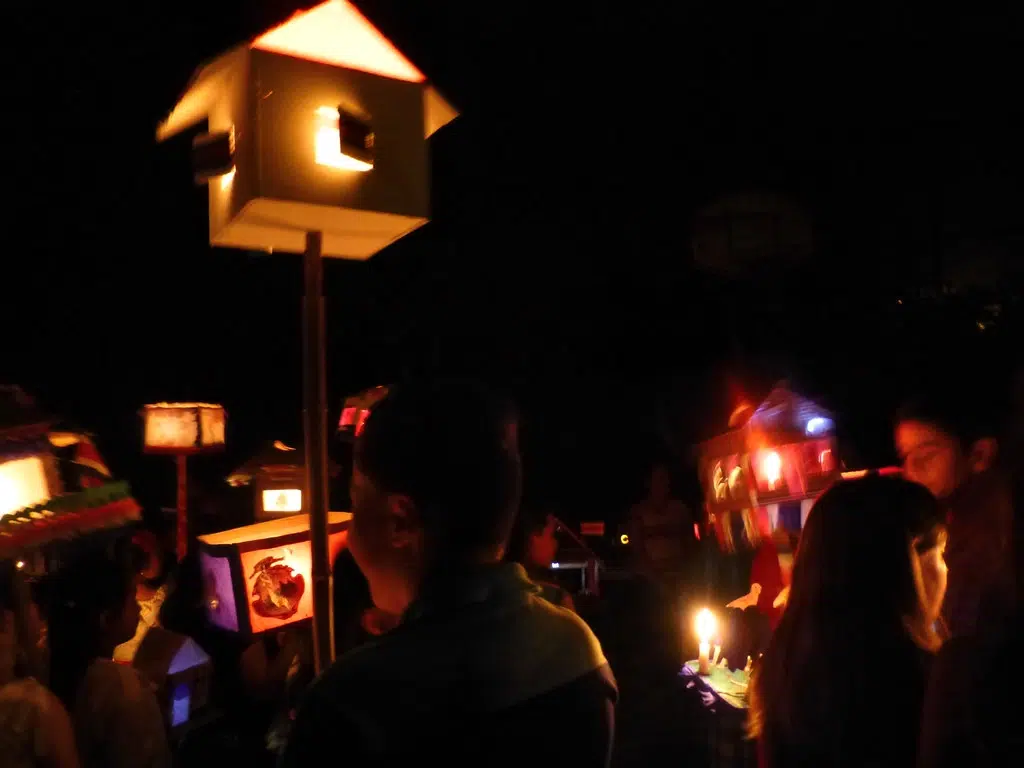
Farol making is one of the many local traditions Costa Ricans do while celebrating Independence Day.

Is Desfile de Faroles a Big Deal in Costa Rica?

Costa Rica’s Independence Day lantern parade, or the “Desfile de Faroles,” is more than just a vibrant celebration; it’s a deeply meaningful tradition rooted in the country’s history. On the evening of September 14, children and their parents flood the streets of towns and cities, including San Jose, with a spectacular array of handmade lanterns, lighting up the night in a warm glow of national pride.

This tradition’s origins can be traced back to the country’s struggle for independence. However, the significance of the lantern parade expanded following Costa Rica’s War in 1948. In the post-war era, political leaders, eager to revive the country’s “patriotic values,” actively promoted the tradition of crafting and parading these lanterns, or “faroles.”

Teachers were mobilized to encourage their communities to engage in lantern-making. This activity became a collective expression of national identity, and it also sparked a sense of friendly competition, with prizes being awarded for the most beautifully crafted lanterns.

Celebrate Costa Rica’s Independence Day as a Local!

If you’re visiting Costa Rica during Independence Day, you’re in for a real treat. During the Desfile de Faroles, or Lantern Parade, children light up the streets with intricately designed lanterns after dusk. You can catch this magical procession anywhere in the country, but San Jose puts on some of the biggest and best.

To truly enjoy the experience, you should consider the following:

Approach the event with respect and understanding:

The desfile de faroles is one of the most treasured Costa Rican traditions because of its cultural and historical significance. Enjoy the spectacle, but also appreciate the deeper meaning behind it.

Admire the beauty of each farol:

In the weeks leading up to the event, school kids handcraft each lantern as a work of art. You’ll see a lot of lanterns with designs inspired by Costa Rica’s national symbols, like the cartwheel and the guaria morada. Sometimes you might notice that the lantern’s pole barely supports the lantern’s design.

Make a plan:

The Desfile de Faroles is undeniably a highlight of the Costa Rican calendar. If you’re fortunate enough to be in Costa Rica on September 14th, make sure you plan your evening around this event, as you can expect crowds in almost every part of the country.

If you’re in San José, the parade typically culminates at the National Stadium or at a central plaza. Besides the capital, cities like Cartago, Heredia, and Alajuela also host significant parades, each offering a distinct local flair. Remember to check the local schedules, as each city might have different starting times.
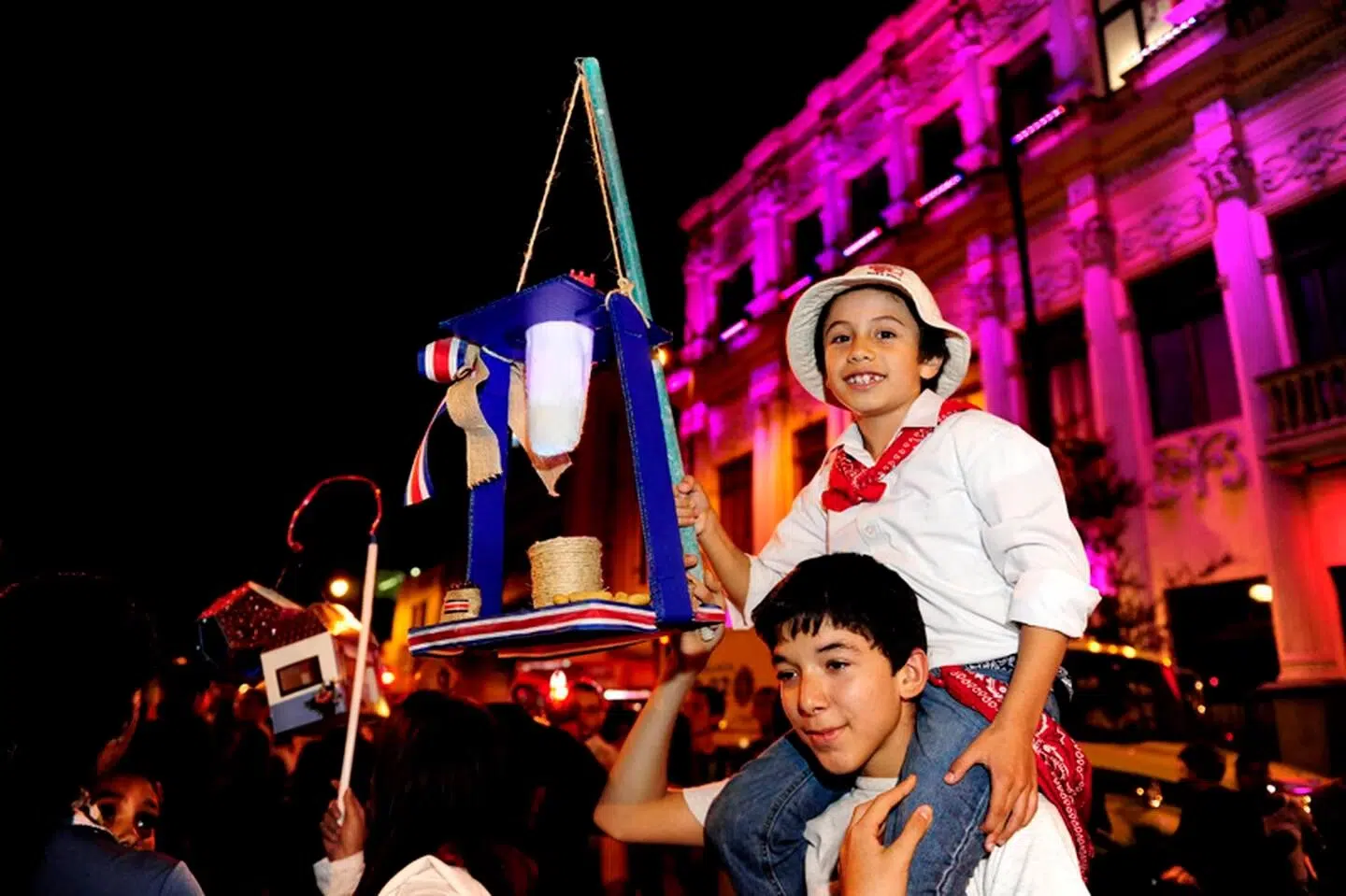
The lantern parade is one of many cultural activities that attract people from all over Costa Rica.

Discover the Beauty of Costa Rica’s Faroles

Costa Rica’s Independence Day celebrations, in particular the Lantern Parade, offer an enchanting blend of history, culture, and festivity. Not only do these faroles reflect Costa Rica’s tradition and rich historical past, but also the pride and spirit of its people.

If you’re captivated by Costa Rica’s unique traditions and want to discover more about this Central American paradise, we encourage you to explore more blog posts! Or, if you have questions or need further information, contact Find My Costa Rica’s local experts. It would be our pleasure to help you discover Costa Rica with our team of expert guides.

The rainy season is genuinely wonderful for travelers who prepare for it. Crowds are smaller, forests are greener, and waterfalls are at their most dramatic. It rains hard, but usually in defined afternoon windows — mornings are often clear.

Want the full picture? Our guide to Costa Rica’s rainy season covers what to expect region by region.

What to pack by activity

Do not repeat your master checklist here these are the additions that matter for specific trip types. Grab what applies to your itinerary and leave the rest.

Beach and water sports

  • Rash guard sun protection in the water is more effective than sunscreen alone
  • Waterproof phone case or action cam housing
  • Reef-safe sunscreen mandatory in marine reserves; this is not a suggestion
  • Water shoes for rocky beaches and shallow reef walks

Hiking and national parks

  • Trekking poles especially useful on steep, wet trails in Corcovado or Chirripó
  • Gaiters for deep mud on rainy season trails
  • Extra headlamp batteries early morning wildlife walks start before dawn
  • Microfiber towel compact and dries fast between hikes

Wildlife watching

  • Binoculars note that most FMCR partner guides carry loaners, so check with your guide before packing yours
  • Zoom lens (200mm or more) for photographing birds and monkeys at distance
  • Early-morning layers wildlife is most active before 8am when temperatures are still low
  • Silent, dark-colored clothing neon colors startle wildlife

City and culture (San José and beyond)

  • Money belt or anti-theft bag  pickpocketing exists in busy market areas
  • Light cardigan or blazer for nicer restaurants
  • Comfortable walking shoes  cobblestones in Barrio Amón are tough on sandals
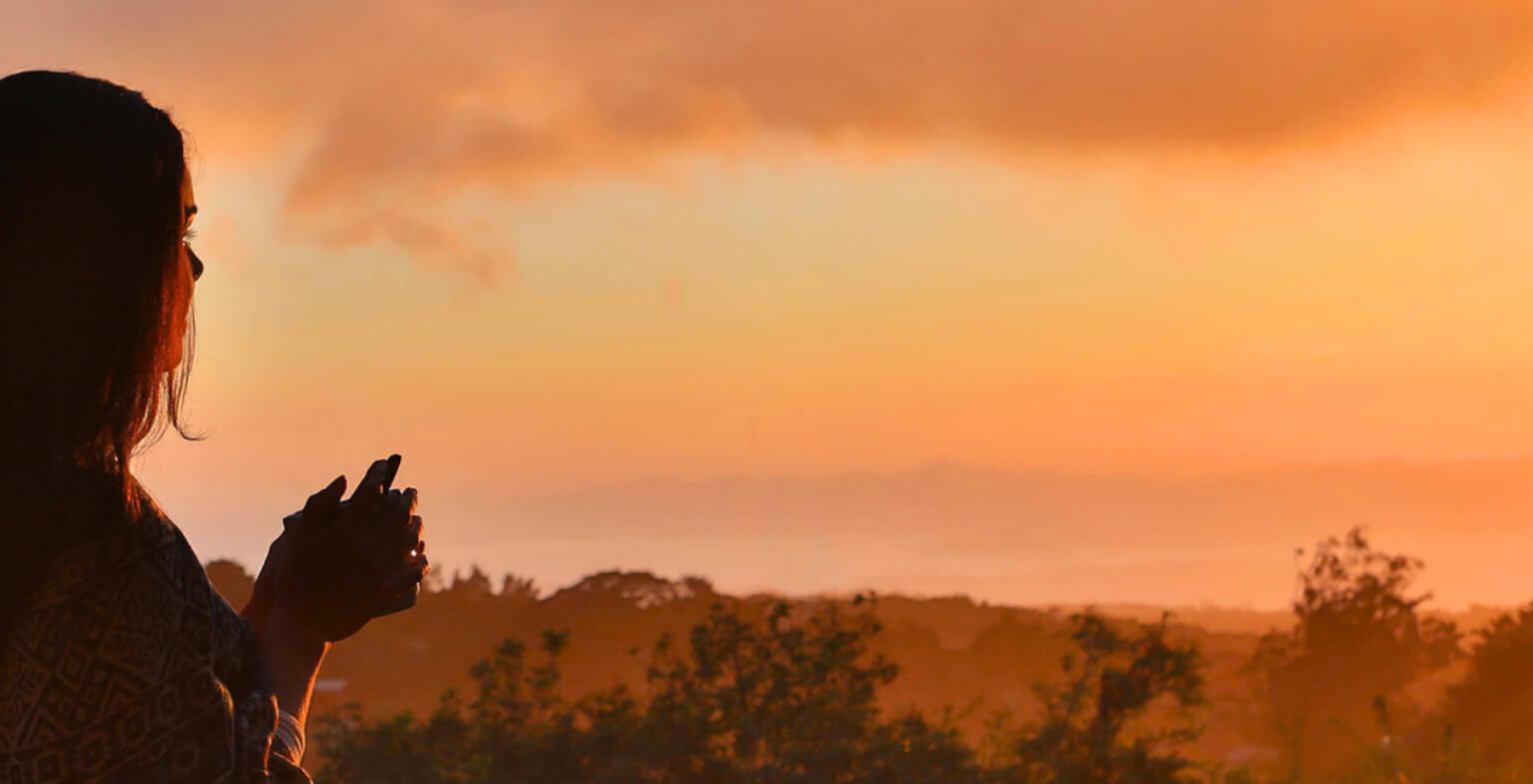
Traveler enjoying a Costa Rica sunset view from a scenic overlook

What NOT to pack for Costa Rica

This is the section most travelers wish they had read first. Overpacking is the number one complaint we hear from guests on their first day. Less really is more when you are moving between regions.

Jeans: They never fully dry in the humidity. Swap them for quick-dry pants or shorts and thank yourself on day two.

High heels or dress shoes: You will not need them. Even nice restaurants in Costa Rica are casual. One pair of clean trail sandals does the job.

Too many shoes: Three pairs maximum: waterproof sandals, trail shoes, and flip flops. Shoes are heavy and take space.

Non-reef-safe sunscreen: It is prohibited in several reserves and harmful to marine ecosystems. Bring reef-safe from home. Brands like Raw Elements and Badger are good options.

A hair dryer: Almost every hotel and lodge provides one. Leave yours at home.

Valuables you cannot afford to lose: Leave the expensive jewelry and the laptop you need for work. Use your trip as a proper break.

Cotton everything:Cotton absorbs moisture and stays wet all day. Pack synthetics or merino for everything except maybe one casual outfit.

Practical tips for packing smart: documents, money, and tech

Your passport must be valid for the full duration of your trip.

Customs also requires a tiquete de salida proof of onward travel out of Costa Rica. This can be a return flight or a bus ticket to a neighboring country. Have it printed or easily accessible on your phone. See Costa Rica national park regulations via SINAC for entry requirements at protected areas.

Money

  • Colones (CRC) are the local currency; USD is widely accepted but change is given in colones
  • ATMs are available in most towns withdraw colones there rather than exchanging at the airport, where rates are poor
  • Visa and Mastercard accepted at most hotels, restaurants, and tour operators; carry some cash for small sodas and local markets

Health prep

Check the CDC health recommendations for Costa Rica before your trip they cover vaccines, repellent, and food safety guidance. Travel insurance is not required by law, but we strongly recommend it for anyone doing adventure activities.

Tech

  • Costa Rica runs on 110V/60Hz US travelers need no adapter or converter
  • Cell coverage is solid in tourist areas; download offline maps before heading into remote zones
  • WhatsApp is the primary communication tool in Costa Rica make sure it is installed and working


Tropical hot springs surrounded by rainforest in Costa Rica
Do I need a visa to visit Costa Rica?

US, Canadian, and UK citizens do not need a visa to enter Costa Rica for stays up to 90 days. Your passport must be valid for the full duration of your trip. You will need to show a return or onward ticket at customs.

Is tap water safe to drink in Costa Rica?

Yes in most areas. Tap water in San José, Guanacaste, La Fortuna, and other major tourist regions is safe to drink and often tastes good. In very remote or rural communities, confirm locally before drinking. Carry a reusable bottle and refill with confidence in most places.

What is the best luggage for a Costa Rica trip?

A soft-sided rolling suitcase works well if you are staying in one or two places. If you are moving between regions beach, rainforest, and volcano a mid-size backpack (40–50L) is far more practical. It fits in small boats, shuttles, and keeps your hands free on trails. We see guests arrive with giant hard-shell suitcases and spend the trip wishing they had packed a bag.

Do I need to bring bug spray to Costa Rica?

Yes. We recommend a picaridin-based repellent like Sawyer 20% over DEET it works just as well in tropical conditions, does not damage gear or plastics, and has no harsh smell. Apply it especially at dawn and dusk during the rainy season.

You may also like

Costa Rica Packing List 2026: Everything You Need for Your Trip

Costa Rica Packing List 2026: Everything You Need for Your Trip

Here is a packing mistake almost every traveler makes on their first Costa Rica trip: they pack too many shoes. Or they forget reef-safe sunscreen which is not just a recommendation but a requirement in several national parks and marine reserves. Either way, they...

The Real Meaning of Costa Rica’s Iconic Phrase “Pura Vida”

The Real Meaning of Costa Rica’s Iconic Phrase “Pura Vida”

If you’ve ever interacted with a Tico (a native Costa Rican) or researched this tropical paradise, you’ve undoubtedly come across two words: “Pura Vida.” But what is the real Pura Vida meaning? Is it just a slogan, or something deeper? What Does Pura Vida Mean? (The...

Costa Rica Travel Guide for First-Time Visitors (2026)

Costa Rica Travel Guide for First-Time Visitors (2026)

Planning your first trip to Costa Rica can feel overwhelming. With rainforests, volcanoes, and two different coasts to explore, the "Pura Vida" dream can quickly turn into a logistical puzzle. Many travelers ask: Do I really need a travel agent? Can I just rent a...

Shopping cart0
There are no products in the cart!
Continue shopping
0