San José, the pulsating heart of Costa Rica, is a city where the past and present dance in harmony. For the curious traveler, its museums are gateways to a rich tapestry of history, art, and culture.
Dive into this guide as we unveil the top 5 must-visit museums in San José, specially curated for first-time travelers to Costa Rica. Let’s embark on a journey of discovery!
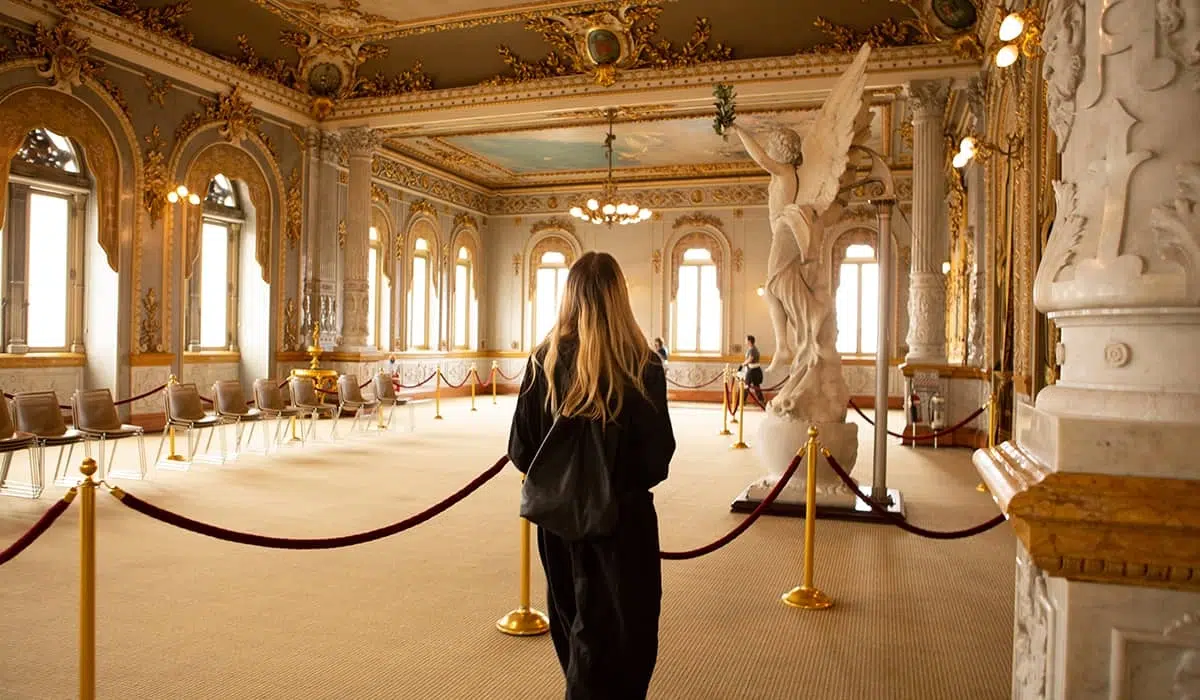
Five Museums in San Jose, Costa Rica, You Must Visit
San José, where urban flair meets Costa Rica’s rich tapestry of culture. Amidst its bustling streets and modern facades, the city safeguards its most precious stories within the walls of its museums.
Each offers a unique chapter and a different perspective, beckoning travelers to step closer, listen intently, and truly connect.
As you set your sights on San José, here are five museums that stand as gateways to the nation’s soul. Ready to journey through time and imagination? Let’s begin.
National Museum of Costa Rica
Imagine a place where walls tell tales of resilience, artifacts whisper ancient secrets, and every corner holds a story. That’s the National Museum for you.
The Museo Nacional de Costa Rica is where the soul of Costa Rica comes alive. Housed in the historic Bellavista Fortress, this museum offers a journey through time, making it a top pick for first-time travelers.
Tips for an Exceptional Visit
- Guided tours: Consider joining a guided tour. Knowledgeable guides bring the exhibits to life, offering insights you might miss on a self-guided tour.
- Interactive exhibits: Engage with interactive displays that offer a hands-on understanding of Costa Rica’s rich heritage.
- Café and souvenir shop: Take a break at the museum café, savoring local flavors. Don’t forget to pick up unique souvenirs to remember your visit.
- Photography: While photography is generally allowed, always check for signs or ask staff before taking pictures, especially with flash.
- Accessibility: The museum is wheelchair-friendly, ensuring all visitors can easily explore.
- Dress code: Wear comfortable shoes. The museum spans several floors, and there’s a lot to explore!
For a first-time traveler in San José, the National Museum is more than a must-visit; it’s a rite of passage. Dive deep, discover, and leave with stories that last a lifetime.
Whether you’re a history enthusiast or a curious traveler, the Costa Rican National Museum promises a day of discovery.
Museum of Costa Rican Art
Situated amidst the lush greenery of La Sabana Park, the Museum of Costa Rican Art is a cultural gem in the capital city of San José. This historic building showcases the vibrant artistry of Costa Rica, making it an essential stop for art lovers and curious travelers alike.
The museum boasts over six thousand artworks from the early 19th century to contemporary masterpieces. Discover the brilliance of Costa Rican artists like Jose Sancho and Max Jimenez, and immerse yourself in the world’s most comprehensive collection of Costa Rican art.
And if you’re keen on diving deeper into art history, the museum’s upper floor offers a visual journey through Costa Rica’s artistic evolution, a national gallery complete with bas-relief walls and an impressive mural by French artist Louis Feron.
Essential Tips
- Getting there: Easily accessible by bus or train, the museum is a short stop from the General Comptroller of the Republic in Sabana Norte.
- Hours: Open from 9:00 a.m. to 4:00 p.m. every day except Monday.
- Budget tip: Sundays are a treat! Enjoy free admission and explore art without a dent in your wallet.
The Costa Rican Art Museum is not just a place; it’s an experience. Whether you’re an art aficionado or a first-time traveler, this museum promises a colorful journey.
Jade Museum
El Museo del Jade is a beacon of Costa Rica’s rich cultural heritage. Beyond its modern façade, which intriguingly resembles a block of raw jade, lies the world’s largest collection of pre-Columbian jade artifacts.
Visiting this fantastic place in downtown San Jose is a journey through time, color, and craftsmanship.
There, you can learn more about:
- Jade through the ages: Explore over 7,000 artifacts, most dating between 600 BC and 500 AD, when the jade trade flourished.
- Daily life & rituals: Discover how jade played a role in everyday life, religious ceremonies, and even burial rites.
- Diverse exhibits: The museum offers six distinct sections, from the craft and trade of jade to its use in war and religion. Don’t miss the “Memory” exhibit, celebrating the region’s rich cultural music, history, and technology.
- Beyond jade: While jade is the star, the museum also showcases exquisite works of gold, ceramic, and stone.
- Numismatic: An exhibit also shows rare currency dating back hundreds of years.
Stepping into the Jade Museum is like unlocking a time capsule. Every artifact, every carving, and every exhibit offers a window into Costa Rica’s vibrant past.
As you wander through its halls, you’re not just observing history; you’re connecting with the soul of a nation. For those seeking a deeper understanding of Costa Rica’s roots, the Jade Museum is an unforgettable journey.
Children’s Museum
Tucked away in the heart of San José, the Children’s Museum is a realm of discovery and delight. Housed in a building that once served as the Central Penitentiary, this museum has transformed from a place of confinement to one of boundless imagination and learning.
Interactive Adventures Await:
- Galactic wonders: Embark on a cosmic journey, exploring the mysteries of the universe.
- Ancient civilizations: Dive into archaeology and the wonders of Egyptian culture.
- Nature’s marvels: Discover the beauty of Costa Rica’s flora and fauna.
- Hands-on fun: From directing a symphony to experiencing a simulated earthquake, the museum encourages touch, play, and immersion.
Essential Tips:
- Getting there: Situated just north of downtown San José, it’s a quick taxi ride away. If you’re driving, there’s ample parking.
- Duration: With so much to explore, set aside a day to truly dive into the museum’s wonders. Many visitors even return for a second day!
- Budget-friendly: At just USD $3.49 for kids under 15 and USD $3.83 for adults, it’s a pocket-friendly adventure.
- Refuel: An on-site cafeteria offers delicious snacks and meals to keep the energy levels up.
The Children’s Museum celebrates curiosity, creativity, and Costa Rican culture. It’s a place where history meets fun, and every exhibit is an invitation to learn and play.
For first-time travelers, young or simply young at heart, this museum promises memories that will last a lifetime.
Pre-Columbian Gold Museum
Located beneath the Plaza de la Cultura in San José, the Pre-Columbian Gold Museum (also known as the Central Bank Museum) is a subterranean wonder that shines a light on Costa Rica’s radiant past. With over 688 pre-Columbian gold artifacts, this museum is a testament to ancient Costa Rican societies’ intricate craftsmanship and profound beliefs.
The museum invites visitors on a captivating journey through the history of Costa Rica, from the early migrations and settlement of the region to the profound impact of European contact. Discover how ancient artisans transformed metals into unique objects that encapsulated their worldview, from symbolic animal carvings to ceremonial adornments.
Traveler’s Tips:
- Location: The museum is centrally located beneath the Plaza de la Cultura, making it easily accessible during a city tour.
- Interactive exhibits: Engage with multimedia displays that bring the history and culture of ancient Costa Rica to life.
- Artifacts galore: Beyond gold, the museum also boasts a rich collection of ceramics, stone, and other materials. Take your time to observe these treasures from every angle.
- Hours: The museum is open Monday to Sunday from 9:15 a.m. to 5 p.m.
The Pre-Columbian Gold Museum isn’t just about gold; it’s about the stories, beliefs, and lives of the people who once called Costa Rica home. For travelers seeking a deeper connection to the land and its history, this museum offers a golden opportunity to immerse in the rich tapestry of Costa Rica’s pre-Columbian past.
Embrace Costa Rica’s Culture by Visiting its Museums
San José’s museums offer a window into Costa Rica’s soul, providing insights beyond the usual tourist trails. By stepping into these museums, you’re not just observing artifacts; you’re connecting with Ticos’s stories, dreams, and aspirations.
So, as you chart your Costa Rican escapade, make room for these cultural gems. They promise memories that linger long after the trip is over.
Ready to dive deeper into Costa Rica’s cultural wonders? Let Find My Costa Rica curate a bespoke museum tour for you. Explore, learn, and be enchanted.
Contact Find My Costa Rica today and craft your perfect Costa Rican journey!

FAQ
1. How much is the entrance fee for each museum? Are there any discounts available?
Each San José museum offers its unique experience, and the entrance fees vary accordingly. Many museums offer discounts for students, seniors, and residents.
It’s always good to check their official websites or contact them directly for the most up-to-date pricing. And remember, some museums even have special days with free admission or additional discounts!
2. Are these museums suitable for children or family visits?
Absolutely! San José’s museums are not only educational but also interactive and engaging. The Children’s Museum, for instance, is a wonderland for young minds.
Other museums, with their hands-on exhibits and captivating displays, ensure that visitors of all ages – toddlers to grandparents – leave with enriched memories. So, whether you’re traveling with kids or at a family reunion, these museums promise a day of discovery for everyone.
3. Can visitors take photos inside the museums?
Most museums in San José welcome visitors to capture their experiences through photographs. However, there might be specific exhibits or areas where photography, especially with flash, is restricted to preserve the integrity of the artifacts.
It’s always best to look out for signage or ask museum staff before clicking away. After all, while photos are a great way to remember your visit, the memories you make are the true treasures!