Setting up a budget is essential to travel planning. If you want to visit Costa Rica but are uncertain about the cost of your dream Costa Rican getaway, we can help!
We’re about to break down the most common expenses and even reveal some savvy budgeting secrets, so you can plan the adventure of a lifetime without breaking the bank. Excited to begin? Let’s jump in!

Breaking Down the Costs
Situated in a privileged location in Central America, Costa Rica promises a vacation like no other. Before you go, clearly understanding the costs of taking a trip to Costa Rica is essential. Check out the nitty-gritty of expenses to plan wisely and enjoy this tropical paradise.
Here’s what you need to consider:
Price ranges for accommodations and lodging
Where you stay affects your Costa Rica travel costs. Still, there’s no need to worry. Regardless of your accommodation needs and preferences, this tropical paradise has you covered!
Accommodations you can stay in during a Costa Rican trip include:
- Luxurious resorts: Enjoy high-end facilities and personalized service at Costa Rica’s luxury hotels, where stylish comfort meets natural beauty. An elegant hotel room can start at $450 per night.
- Mid-range hotels: With mid-range accommodations in Costa Rica, you’re guaranteed a comfortable and memorable base for your adventures. Per night, the average price of a mid-range private room can start at $115.
- Budget-friendly stays: You don’t have to compromise on comfort when you visit Costa Rica; cozy and budget-friendly accommodations offer the perfect space to relax during your trip. The cost of an affordable hotel per person can range from $10 to $40, depending on the amenities.
Read our blog about “The Best Places to Stay in Costa Rica for Every Budget” to learn about accommodation costs.
Meals, food, and dining costs
When managing your Costa Rica travel budget, dining is a vital piece of the puzzle. Costa Rica offers a culinary journey unlike any other. Here you can find local food, international cuisine, vegan and vegetarian options, and more!
San Jose, the capital, has tons of restaurants offering both local and international food. If you’re looking for delicious meats, seafood, produce, and coffee, San Jose, Costa Rica is the place to go!
As mentioned in our “The Cost of Living in Costa Rica” blog, a meal in a local mid-range restaurant can be around $4.50 per serving. There are also French, Italian, American, Chinese, and Japanese restaurants that serve food ranging from $10-18 a plate.
You’ll probably pay around $2.20-2.68 for a cappuccino at a local coffee shop, and $3.04–3.72 for a 12-ounce imported beer at a bar.
For budget travelers, searching for “sodas” is one of the best deals. These are local restaurants that serve local food like Casado, Gallo Pinto, Chifrijo, and other national favorites.
Breakfast in a local soda can cost between 1,650 and 3,500 colones, which is about $3.11 and $6.60. Lunch can cost between 3,500 and 6,000 colones, depending on the portion size, which is between $6.60 and $11.31.
Please note that these prices are just a reference; you may pay more or less depending on where you eat.
Tours, activities, and excursions costs
Activities and excursions are another vital part of your Costa Rica vacation cost. Why? Simple! The cost of your vacation can vary a lot depending on the places you wish to visit. Let’s take a closer look.
Exploring La Fortuna
If you’d like to learn about the cultural aspects of coffee and chocolate making in Costa Rica, our Don Juan Coffee and Chocolate Tour in La Fortuna offers that experience for $45 per person (price varies by group size).
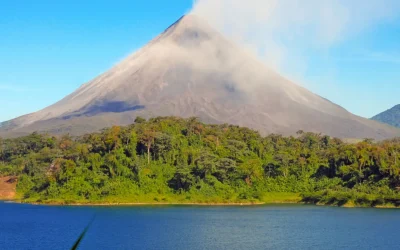
Taking a one-day tour to Arenal Volcano can cost $201 per person, which includes hanging bridges, waterfalls, lunch, volcano hikes, hot springs, and dinner.
However, if you’re looking for a more adventurous trip, we offer you the Hanging Bridges & Waterfall Tour for $320 per person (price varies by group size). The private service tour includes both above activities plus tortilla-making.
Discovering Manuel Antonio
Manuel Antonio National Park is a very popular destination to visit, and the cost of a trip varies depending on what you choose to do. Jungle Night Guided Tours costs around $69 per person (price varies by group size), Manuel Antonio Park Tours costs $63 per person, and the All In Manuel Antonio Tour costs around $188 per person.
Visiting Coco Beach and Playa Hermosa
Coco Beach and Playa Hermosa are great options if you’re looking to explore a beach town. Located in Guanacaste, you can do a 4-Hour Catamaran Sailing & Snorkeling Tour for $95 or try our Borinquen Adventure Day for $160 per person.
You can choose our Tenorio Class 3&4 White Water Rafting tour for an adrenaline rush for $160 per person. Remember that the total cost can vary depending on the group size.
It is important to remember that these prices may change each year.
Transportation costs
Our country has a lot of amazing tourist spots, but sometimes, moving from one place to another can significantly add up to your Costa Rica travel costs.
Here’s what you need to know:
Riding a public bus
While public transportation is excellent for getting around and saving money in big cities like San Jose, there might be better options to maximize your time. Most city buses cost between 140 and 360 CRC ($0.35-$0.70), cash only.
Taxis
Taxis are a convenient way to get around, but they can add up if you use them often. According to ARESEP (Regulatory Authority for Public Utilities), the base rate for a taxi is 910 colones ($1.71) plus 910 ($1.71) colones per kilometer. The hourly waiting rate is 3450 ($6.50) colones.
Rental car
If you want to maximize your trip and not empty your pocket, consider renting a car or hiring a private transfer.
We can connect you with a reliable company such as Mapache Rent a Car, Adobe Rent a Car, or Alamo Rent a Car. It can cost anywhere from $35 to $50 per day, depending on where you rent it, the model, and the amount of time you wish to use it.
Also, as knowledgeable guides, we can handle private tours with transportation included, so you don’t have to worry about anything!
Domestic flights
Domestic flights are a great option. There are great flight deals between major destinations, so you don’t have to drive long distances.
Currently, Costa Rica has three domestic airlines: Sansa, Prestige Wings, and Aero Caribe. Their cheap flights go to at least 14 destinations across the country, like Limón, Tortuguero, Drake Bay, Quepos, Nosara, Tamarindo, and La Fortuna.
Here’s a breakdown of round-trip flight prices from San Jose to various destinations:
- A round-trip flight from San Jose to Tortuguero costs around $120.
- From San Jose to Quepos, it’s about $90.
- To Drake Bay, it’s $140.
- To La Fortuna, it’s $100.
Prices can vary depending on your destination and the season.
Miscellaneous and unexpected expenses
It’s easy to forget how little details add up on every trip. You might think tips, souvenirs, and unexpected expenses don’t matter, but they do. These “minor expenses” are part of managing your travel costs while in Costa Rica.
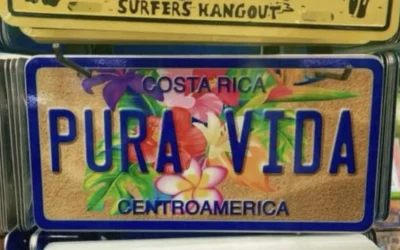
For example, a magnet, keychain, or pin can cost between 3,000 and 5,000 colones, or around $5.65 and $9.42. To bring these souvenirs home, you will need around $28.25 or $47.1 for five people. The more people you buy for, the more money you spend.
For souvenirs, try local stores and markets rather than spending a lot at the airport. You’ll find unique and affordable gifts and support local businesses.
A general rule of thumb when traveling is to set aside 10% of your total budget for souvenirs and other unexpected expenses. Doing so is a smart way to treat yourself without exceeding the total amount you plan on spending while traveling.
Tipping isn’t typical in Costa Rican culture, but you can show appreciation for exceptional service. A 10% tip is reasonable for restaurants. Ensure a service charge or gratuity has yet to be added to your receipt before tipping. If you’re on a private tour, consider tipping the bus driver; a thoughtful gesture is greatly appreciated.
Now, about those unexpected expenses: It’s wise to be prepared. Invest in travel insurance, especially for medical emergencies. You’ll have peace of mind and financial security with this coverage.
A Recap of Money-Saving Tips for Your Costa Rican Adventure
There’s no need to break the bank on your Costa Rica adventure. There are plenty of ways to make the most of your trip while keeping your wallet healthy. These money-saving tips will help you stretch your dollar without sacrificing experience.
- Dine at local “sodas” and market stalls for authentic flavors at a fraction of upscale restaurants.
- Save on flights, tours, and accommodations by traveling during the off-season.
- Reserve your tours directly with local operators like us!
- To avoid overpriced airport shops, buy souvenirs at local markets.
- Save money and reduce plastic waste by refilling reusable water bottles instead of buying bottled water.
- Consider group tours or traveling with friends to split the costs.

Let Find My Costa Rica Plan Your Unforgettable Journey!
Throughout this guide, we’ve shown you that Costa Rica has endless possibilities. You can get lost in nature, eat fantastic food, and create lifelong memories. Let’s start this journey together. Contact Find My Costa Rica, and let us plan the perfect adventure!