
Embark on an enchanting journey through Costa Rica, a haven for birdwatchers. This nation’s lush landscapes are home to over 900 bird species, making it a prime destination for avian enthusiasts. Whether you’re keen on capturing the perfect shot of a rare species or simply basking in the beauty of nature, Costa Rica’s diverse ecosystems offer a birdwatching paradise. Dive deeper into what makes each birding hotspot unique, and gear up for an unforgettable adventure.
When to Visit
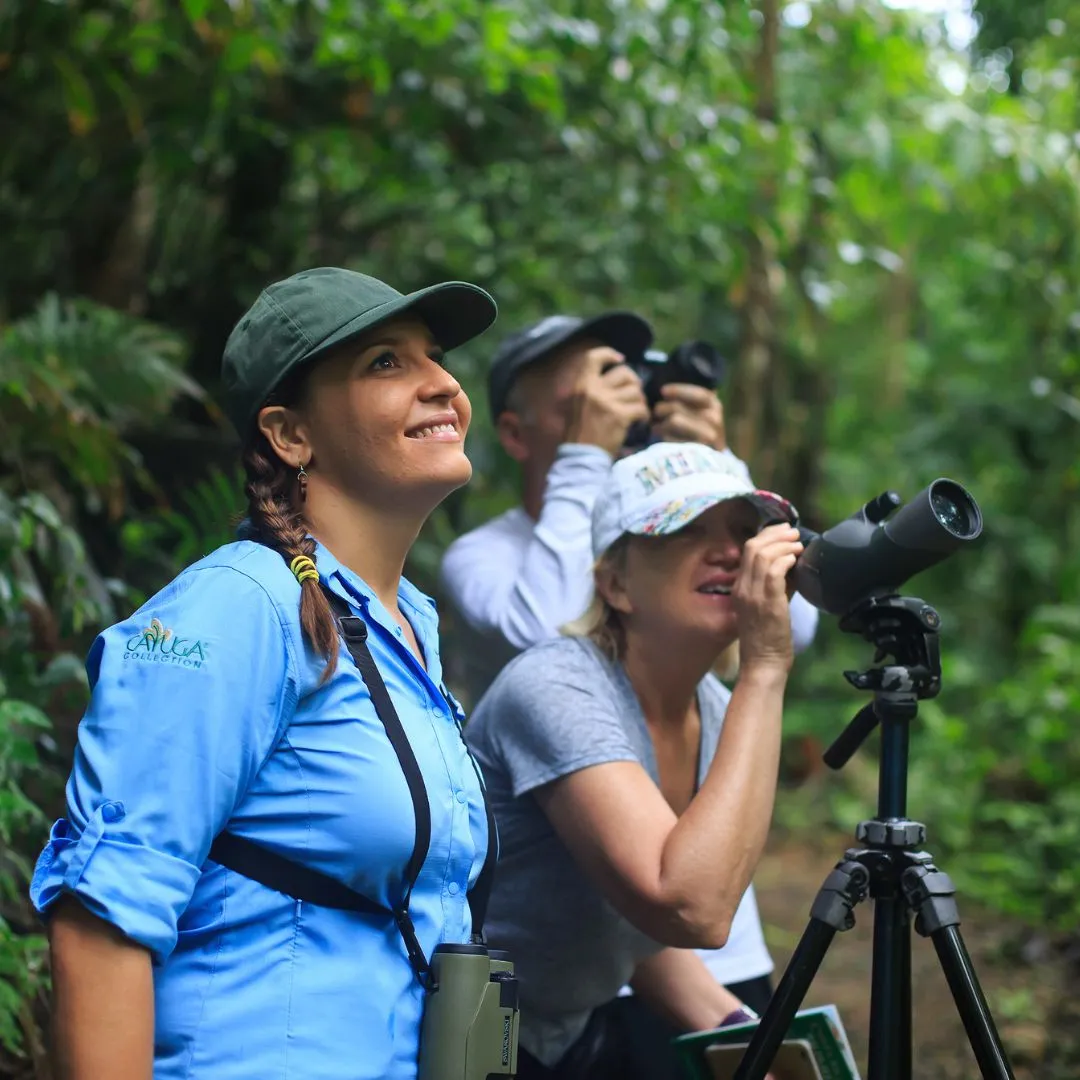
Optimal birdwatching is during the dry season, from December to April, thanks to accessible trails and better visibility. Yet, the rainy season, from May to November, attracts migratory birds and dresses the country in vibrant green, presenting a different kind of birding charm.
Where to Go for Birdwatching in Costa Rica
North Pacific
- Palo Verde National Park: A vital wetland ecosystem, Palo Verde is a magnet for waterfowl and migratory birds, including the jabiru and the spectacular roseate spoonbill. The park’s marshes and lagoons offer prime birdwatching opportunities, especially during the dry season when birds gather at water sources.

- Santa Rosa National Park: An excellent spot for dry forest avian species, such as the long-tailed manakin and the turquoise-browed motmot. It’s also significant for conservation efforts, preserving one of the last dry forests in the region.
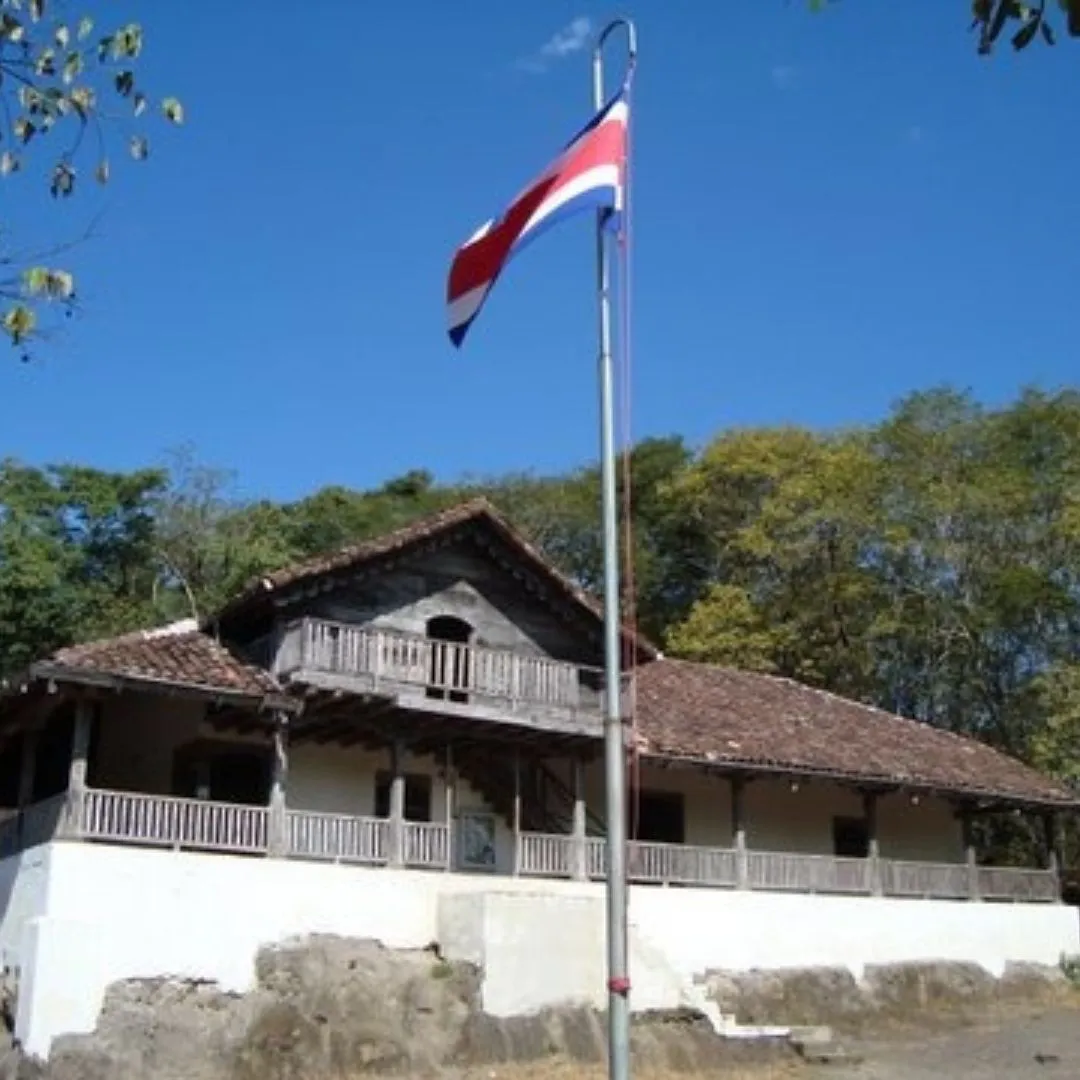
Seasonal Insights: Bird activity peaks during the early dry season
Average Temperature: 24-33°C (75-91°F)
Rainy Season: May to November
Dry Season: December to April
Central Pacific
- Carara National Park: A transitional zone between tropical dry and moist forests, making it rich in biodiversity. It’s one of the best places to observe scarlet macaws in their natural habitat.

- Manuel Antonio National Park: While smaller, it offers easy access to diverse bird species, including the fiery-billed aracari and various tanagers, against beautiful beaches.
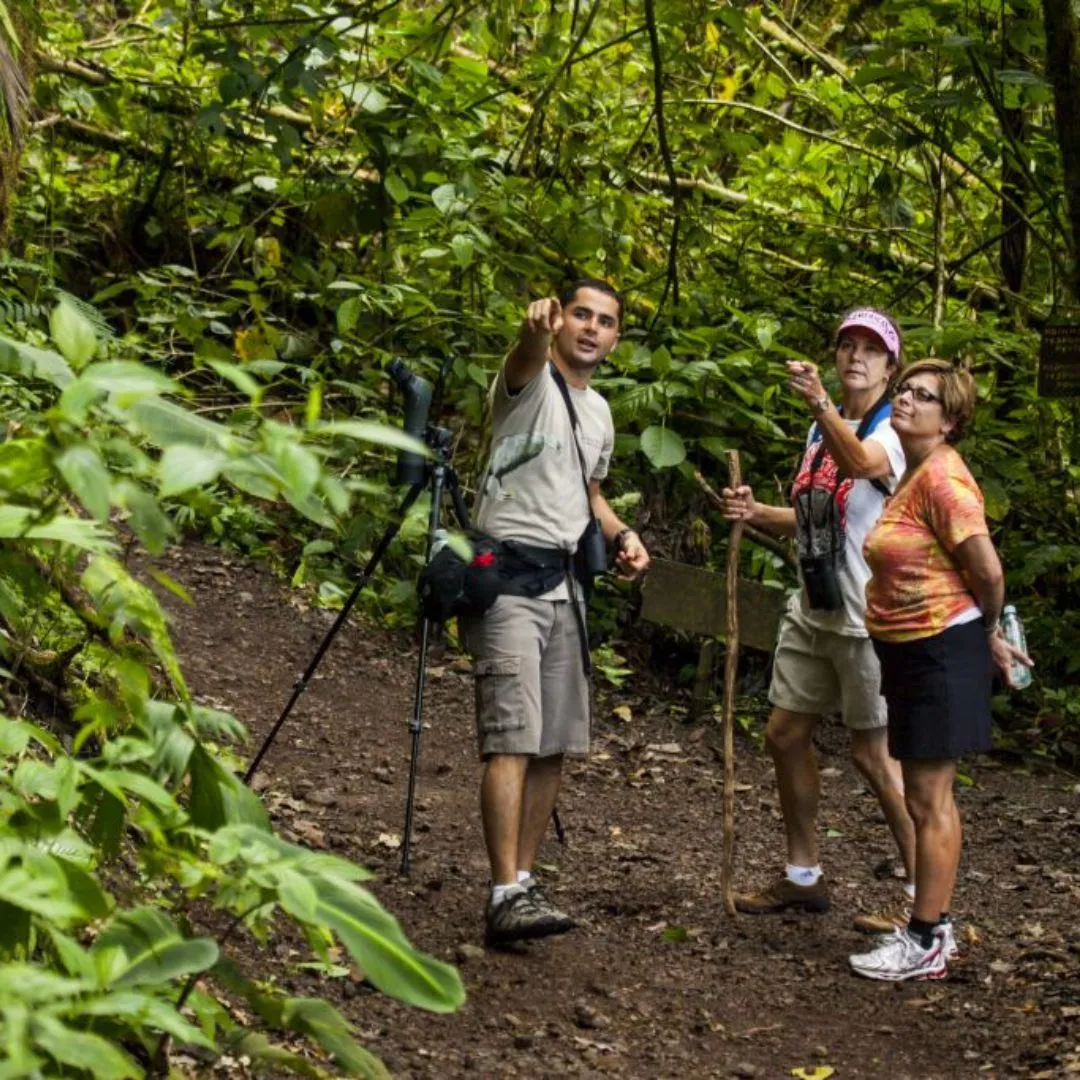
Seasonal Insights: Migratory species are best observed from December to April, adding to the resident species’ vibrant display.
Average Temperature: 23-30°C (73-86°F)
Rainy Season: May to November
Dry Season: December to April
South Pacific
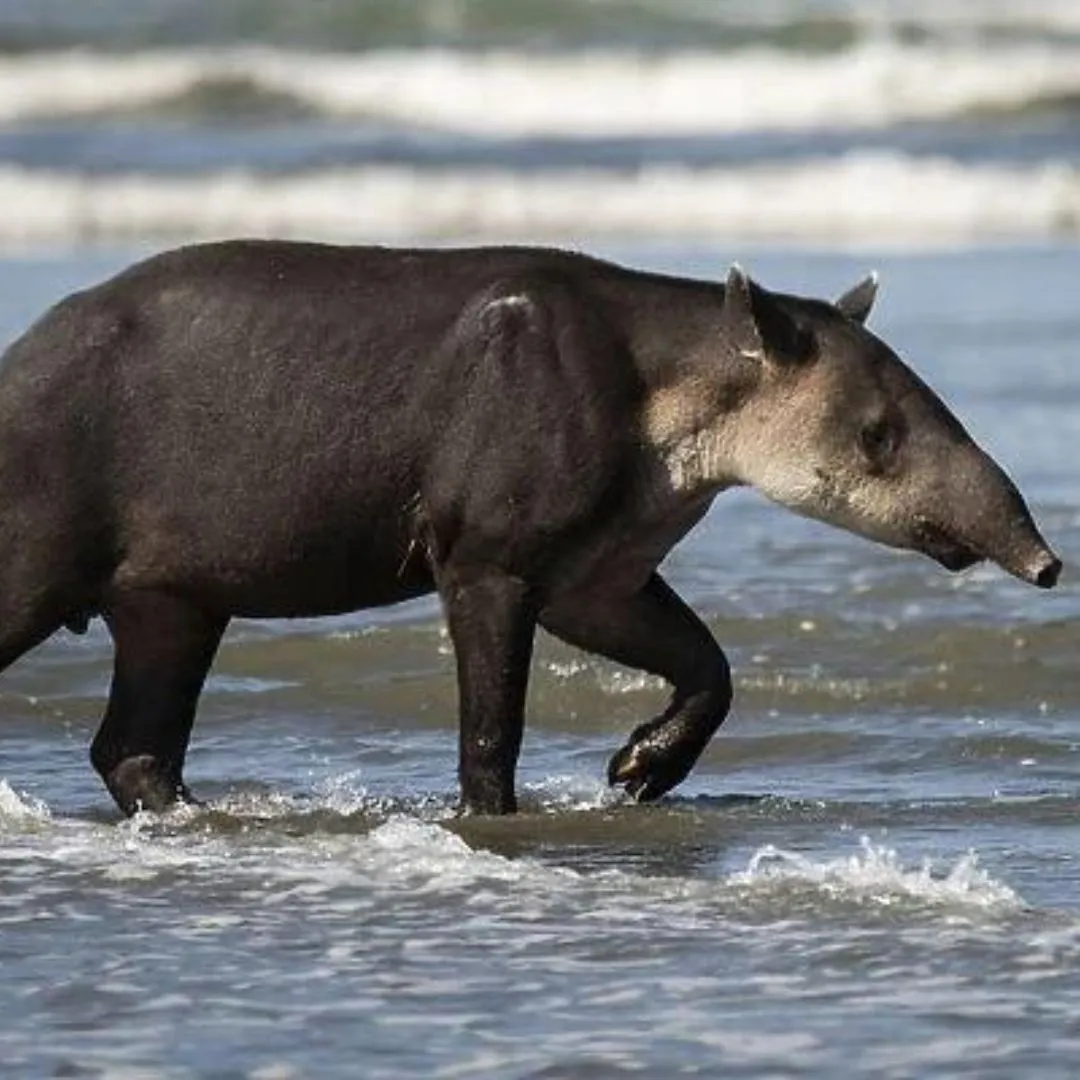
- Corcovado National Park: Offers the most intense rainforest experience in Costa Rica, with sightings of the rare Baird’s tapir and the chance to see harpy eagles. The park’s remote nature keeps it less crowded, perfect for immersive birding.
- Wilson Botanical Garden: Though more focused on flora, its extensive gardens attract a myriad of hummingbirds, making it a serene spot for birdwatchers.

Seasonal Insights: The onset of the rainy season brings a flurry of breeding activities, especially from April to June.
Average Temperature: 26-32°C (79-90°F)
Rainy Season: April to December
Dry Season: January to March
Highlands
- San Gerardo de Dota: A serene valley and the best place to spot the resplendent quetzal, especially from February to April, during their breeding season. The area’s tranquility makes it ideal for spotting other species like woodpeckers and wrens.
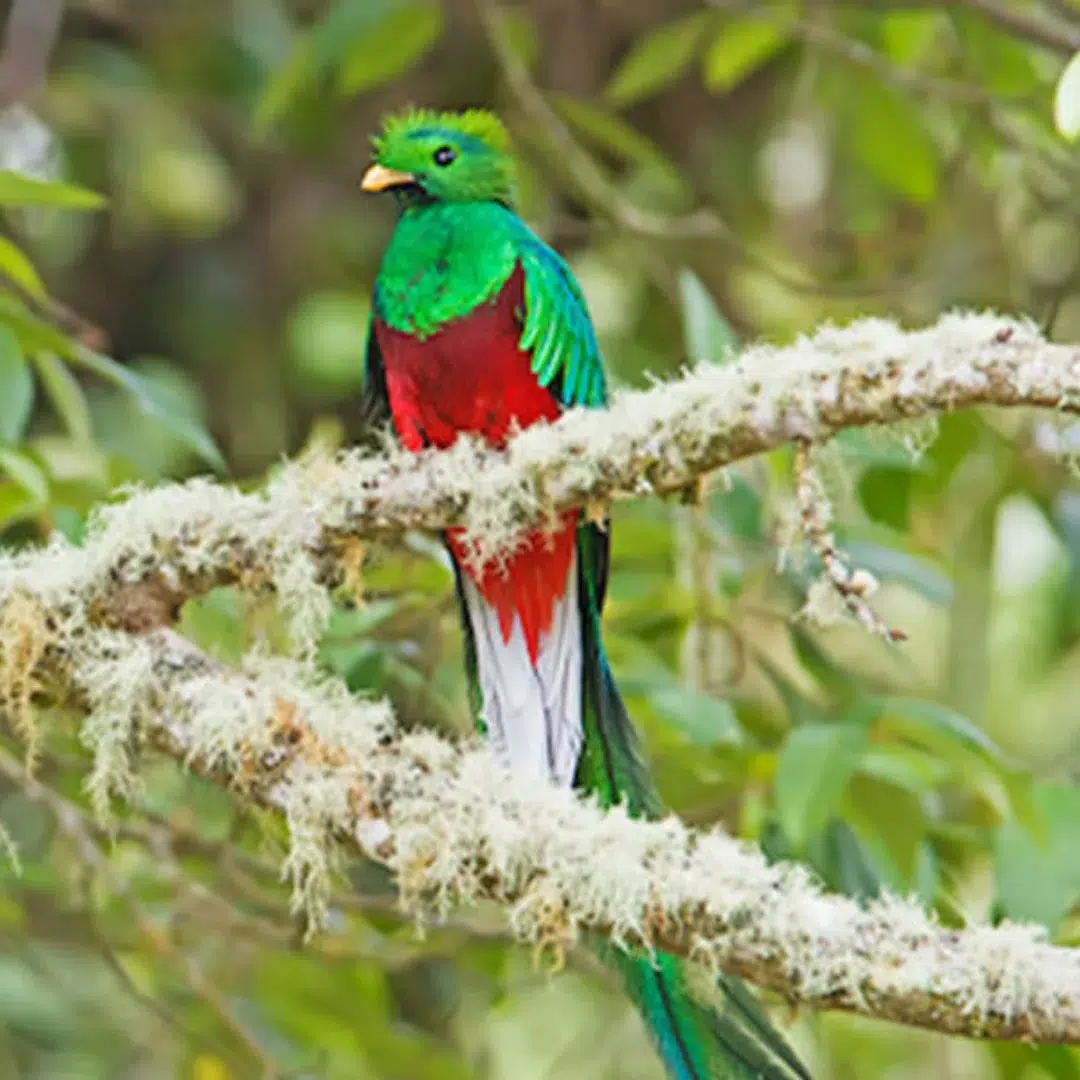
- Monteverde Cloud Forest Reserve: Not only for the elusive quetzals but also for the bellbirds and the hummingbirds that thrive in its misty environs. The reserve’s diverse altitude offers a variety of habitats, from cloud forest to rainforest.

Seasonal Insights: Early mornings are magical, with mist-covered forests and active birdlife.
Average Temperature: 10-20°C (50-68°F)
Rainy Season: May to November
Dry Season: December to April
Atlantic Area
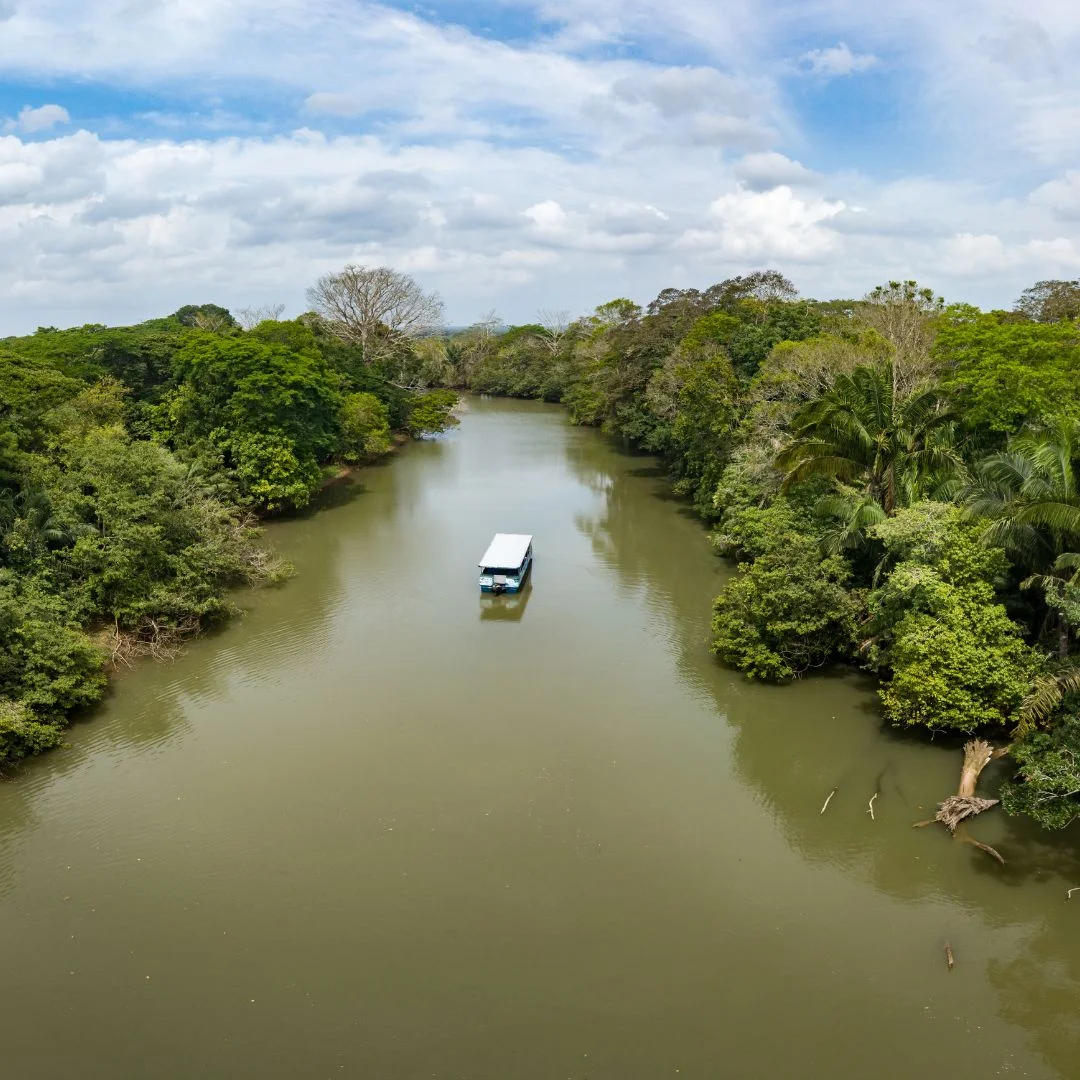
- Tortuguero National Park: Known for its canals that provide unique access to rainforest wildlife, including herons, kingfishers, and toucans. The park’s boat tours offer a different perspective on birdwatching.

- Caño Negro Wildlife Refuge: Caño Negro Wildlife Refuge is a haven for over 350 bird species, providing a spectacular backdrop for observing a wide variety of avian life. From the majestic jabiru stork, the largest bird in Central America, to the colorful spectacle of the roseate spoonbill, the area teems with birdwatching opportunities. Migratory patterns enrich this biodiversity, with species such as the northern shoveler, the blue-winged teal, and the wood stork visiting during different seasons, offering birdwatchers a changing panorama throughout the year.
Seasonal Insights: The wet season enhances the lush landscapes, drawing in birds for breeding and making early mornings particularly vibrant with bird songs.
Average Temperature: 22-30°C (72-86°F)
Rainy Season: May to November
Dry Season: February to April
Birdwatching Essentials
Equip yourself with binoculars, a field guide, and attire suited to Costa Rica’s varied climates. Remember to pack insect repellent, sun protection, and sturdy footwear. Embracing eco-friendly practices and hiring local guides will enrich your birdwatching experience.
Travel Tips
Respecting nature by staying on trails, minimizing noise, and practicing ethical photography ensures the preservation of these natural wonders for future generations. Choose eco-conscious tours and accommodations to support sustainable tourism.
Embarking on birdwatching tours in Costa Rica not only promises a spectacle of feathered beauties but also an immersion into ecosystems teeming with life. Each region offers a distinct birding experience, set against the backdrop of Costa Rica’s stunning landscapes. Prepare for an adventure that captures the essence of nature’s magnificence, one bird at a time.
Frequently Asked Questions
What is the best time of year for birdwatching in Costa Rica?
The best time for birdwatching in Costa Rica is during the dry season, from December to April, as the weather is more predictable, and the trails are more accessible. However, birdwatching can be excellent year-round. The rainy season, from May to November, brings migratory birds and the chance to see different species in breeding plumage.
Can beginners participate in birdwatching tours?
Absolutely! Costa Rica offers birdwatching experiences for all skill levels, from beginners to experienced birders. Many tours provide expert guides who can help spot and identify species, making it a rewarding experience for everyone.
What should I bring on a birdwatching tour?
Essential items include binoculars, a bird field guide specific to Costa Rica, comfortable and weather-appropriate clothing, waterproof hiking shoes, insect repellent, sunscreen, a hat, and a lightweight backpack. A camera with a good zoom lens is also recommended for capturing wildlife.
Are there specific regions in Costa Rica that are better for birdwatching?
Each region in Costa Rica offers unique habitats and bird species. The Central Valley and highlands are great for spotting high-altitude species, including the resplendent quetzal. The Pacific and Caribbean lowlands offer lush rainforests and wetlands, ideal for a variety of tropical birds. Specific areas like Monteverde, the Osa Peninsula, and Caño Negro are renowned for their bird diversity.
What kind of bird species can I expect to see in Costa Rica?
Costa Rica is home to over 900 bird species, including colorful toucans, scarlet macaws, various hummingbirds, the elusive resplendent quetzal, and many more. The country’s diverse ecosystems support a wide range of species, from rainforest dwellers to high-altitude birds.