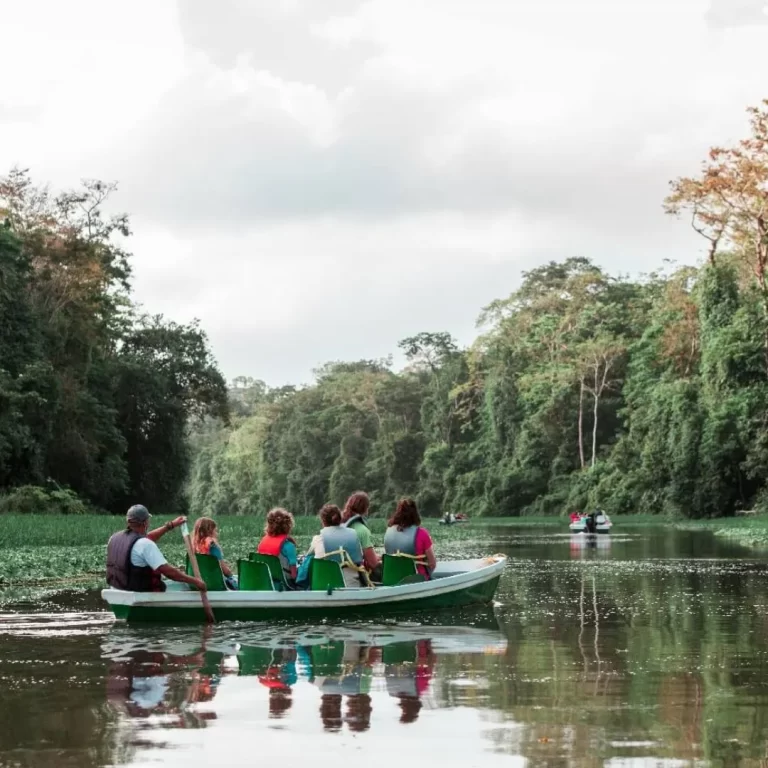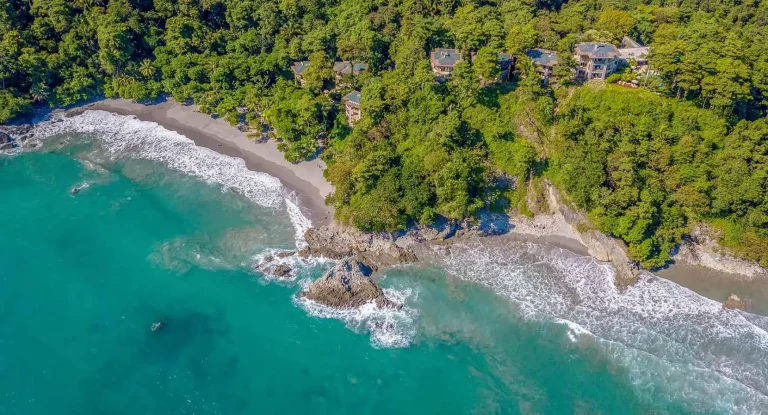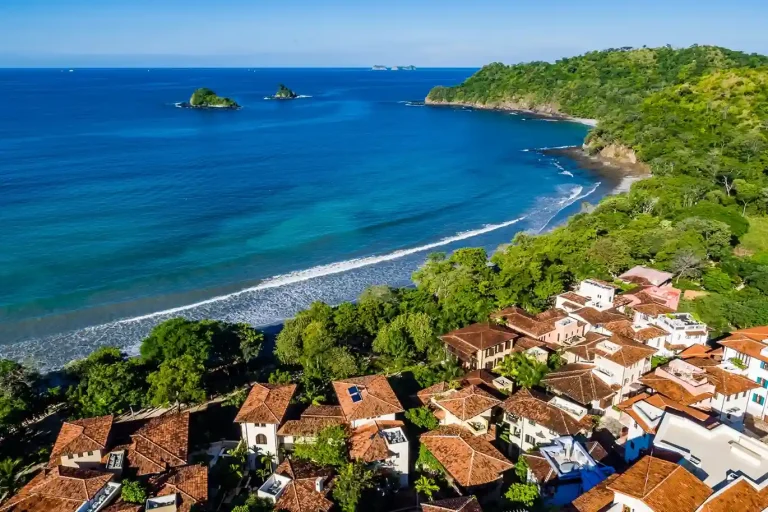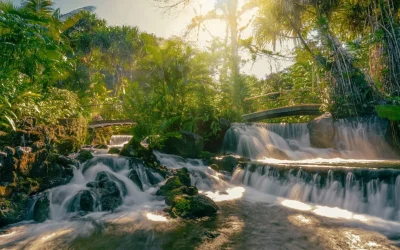
Planning your first trip to Costa Rica can feel overwhelming. With rainforests, volcanoes, and two different coasts to explore, the “Pura Vida” dream can quickly turn into a logistical puzzle.
Many travelers ask: Do I really need a travel agent? Can I just rent a car and wing it? In this 2026 guide, we’ll cut through the noise. We’ll walk you through the best regions, safety standards, and how to tell a legitimate local expert from an uncertified “advisor.”

Why Costa Rica Is Perfect for First-Time Travelers
Costa Rica is often called “the Switzerland of Central America,” not just for its mountains, but for its stability and world-class tourism infrastructure.
Travelers choose Costa Rica because:
- Biodiversity: 5% of the world’s species are here.
- Accessibility: You can drive from a volcano to a beach in under 4 hours.
- Infrastructure: Reliable transportation options and high safety standards.
- The Pura Vida Spirit: A welcoming culture that makes navigating the country easy for international guests.
If safety is on your mind, explore our Costa Rica safety guide for a practical breakdown of what to expect.
The “DIY” vs. “Travel Agent” Debate: Which One Is for You?
Some travelers prefer to rent a car and explore independently (which is great!), but for a first-time trip, having a professional in your corner can save you hours of research and potential headaches.
- The Pro Advantage: A great agent doesn’t just “book a hotel”; they find better prices in half the time and provide 24/7 support if a flight is delayed or a road is closed.
- Small Business Support: By working with local planners, you aren’t just a booking number; you’re supporting the local economy and experts who live and breathe Costa Rica.
As one experienced traveler recently put it: “You wouldn’t cut your own hair instead of going to a barber—why undermine the professional detail a travel agent brings?”.
At Find My Costa Rica, we don’t just “plan for you”—we build the trip with you, ensuring your itinerary reflects your pace, not a cookie-cutter template.
How Many Days Do You Need for Your First Trip to Costa Rica?
The most common mistake is trying to see everything in a week. To truly soak in the Pura Vida lifestyle, we recommend the following timeframes:
8 Days in Costa Rica: The Classic Duo

Focus on two main regions. The most popular combination for first-timers is Arenal (Volcano & Rainforest) and Playa Hermosa Guanacaste (Beach & Wildlife).
With guided adventures, relaxation time, and curated family-friendly hotels, this Costa Rica family holiday is all about bonding, exploring, and making memories that will last a lifetime.
👉 View our 8-day Costa Rica itinerary.
10 Days in Costa Rica: The Adventure Trio
Pura Vida Quest: Volcano Trails, Cloud Forest & Beach Retreat is our special package for those seeking for a journey that offers not just beautiful sights, but real connection—with nature, loved ones, and the essence of Costa Rica.
👉 Explore our 10-days Costa Rica itinerary.
2 Weeks in Costa Rica: The Grand Tour

With 14 days, you can venture off the beaten path to the Osa Peninsula or the Caribbean coast, or simply enjoy more “slow travel” days.
This 14-day luxury family itinerary blends comfort, connection, and adventure across Costa Rica’s most stunning regions: San José, Osa, Pacuare, Arenal & Papagayo
. 👉 Check out our 2-week Costa Rica itinerary.
Best Regions to Include in Your First Costa Rica Itinerary
Costa Rica is divided into microclimates. Here is where you should head first:
Arenal Volcano, La Fortuna
Rainforest trails, waterfalls, wildlife, and natural hot springs make Arenal a top choice for first-time visitors.
Monteverde Cloud Forest
Cooler climate, misty forests, and unique biodiversity. Ideal for travelers who want immersive nature experiences.
Manuel Antonio
A compact region combining beaches and wildlife. Easy wildlife sightings make it popular with first-time travelers.
Guanacaste Beaches
Warm Pacific waters, dry climate, and convenient airport access make Guanacaste ideal for beach-focused itineraries.
When Is the Best Time to Visit Costa Rica?
Timing is everything when planning a trip to Costa Rica.
Insider Tip: Check our Costa Rica weather guide for a month-by-month breakdown.
Dry Season (December – April): Expect plenty of sunshine and higher crowds. Ideal for beach lovers.
Green Season (May – November): Lush, vibrant landscapes and better prices. While it rains in the afternoons, the mornings are usually clear.

Common Mistakes First-Time Visitors Make
- Over-packing Itineraries: Costa Rica roads are winding; 50 miles can take 3 hours. Don’t try to visit 5 places in 7 days.
- Driving at Night: Roads are often unlit and can be unpredictable.
- Underestimating the “Green Season”: Don’t fear the rain; it’s what makes the country beautiful!
- Booking Everything Independently: Without local insight, you might miss the hidden gems that aren’t on TripAdvisor.
Is Costa Rica Safe for Travelers?
Costa Rica is considered one of the safest destinations in Latin America for tourism.
Follow basic precautions:
- Secure valuables.
- Book reputable operators.
- Avoid isolated areas at night.
For detailed guidance, read our full Costa Rica safety article.
Is Your Planner Legitimate?
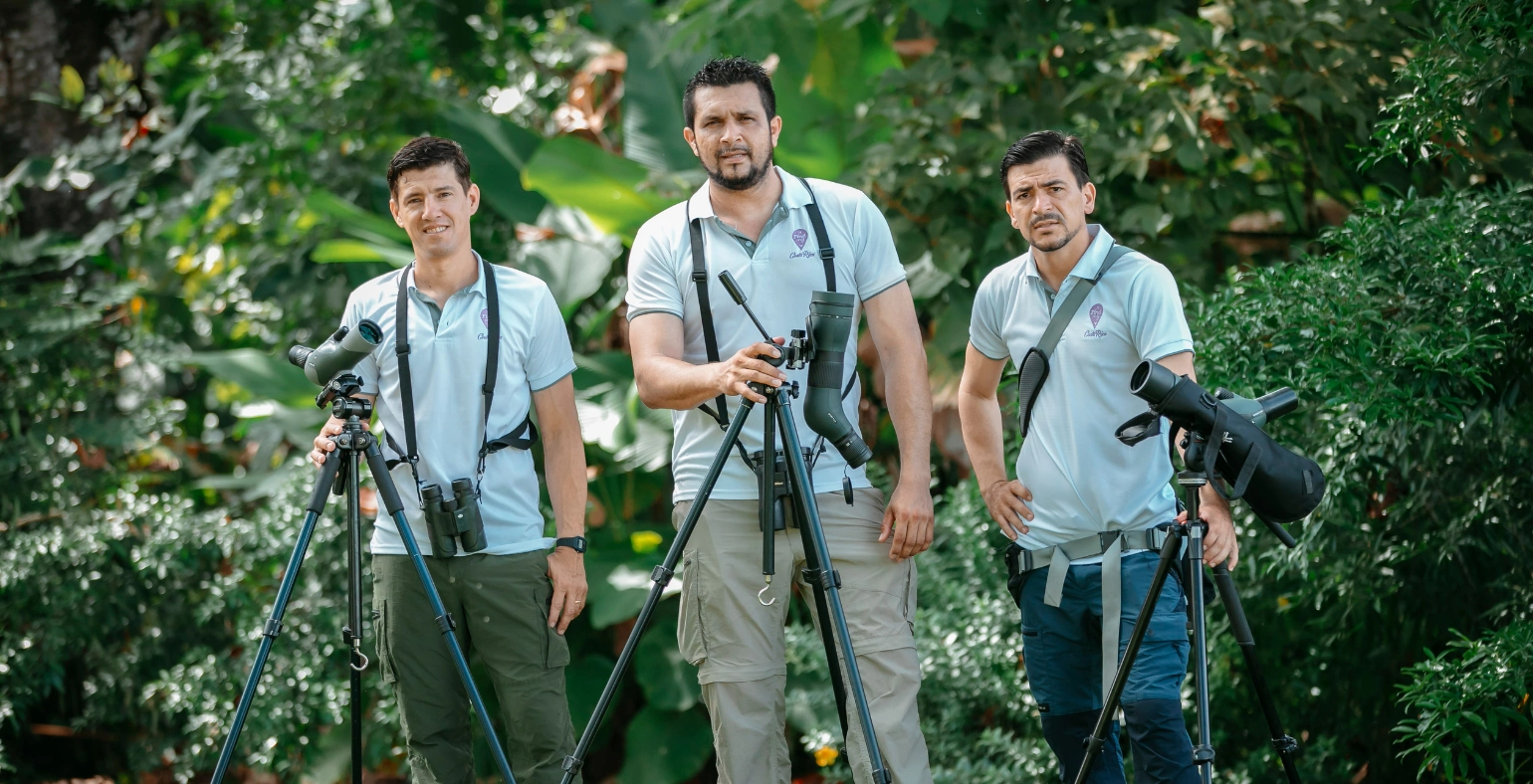
In 2026, the internet is flooded with “travel advisors.” To protect your investment, ensure your planner is ICT-certified. At Find My Costa Rica, we operate with full transparency and local licensing. We don’t just offer advice; we provide the security and professional standards your “vacation of a lifetime” deserves.
Why Work With a Local Travel Planner? (The Find My Costa Rica Difference)

You can spend 40+ hours researching blogs, or you can let a local expert curate the perfect experience in 30 minutes.
At Find My Costa Rica, we don’t do “cookie-cutter” trips. We build customized Costa Rica itineraries based on your specific pace, budget, and interests. From private transfers to hand-picked boutique hotels, we handle the logistics so you can focus on the memories.
Working with a local planner gives you:
Costa Rica rewards slower, intentional travel.
Frequently Asked Questions About Planning a Trip to Costa Rica
How far in advance should I plan my Costa Rica trip?
For the high season (Christmas, Easter), book at least 6–9 months in advance. For the rest of the year, 3 months is usually sufficient.
Do I need to speak Spanish?
In tourist areas, English is widely spoken. However, learning a few phrases like “Pura Vida” and “Gracias” will go a long way with the locals!
Do I need a 4×4 rental car?
If you are visiting Monteverde or remote parts of Guanacaste, a 4×4 is highly recommended. For the main route between San Jose, Arenal, and Manuel Antonio, a standard sedan or SUV is fine.
Is Costa Rica expensive?
Costa Rica is more expensive than its neighbors (Nicaragua or Guatemala), but you are paying for superior safety, conservation, and infrastructure. Expect U.S. prices for meals and tours.
Ready to Plan Your Costa Rica Itinerary?
If this Costa Rica travel guide clarified your next steps, we’re here to help you move from ideas to a personalized plan.