Embarking on a honeymoon is one of life’s most exciting adventures, and choosing Costa Rica as your destination only amplifies this experience. Renowned for its lush landscapes, pristine beaches, and friendly locals, Costa Rica offers a blend of relaxation and adventure perfect for newlyweds. This guide will walk you through everything you need to know for the ultimate Costa Rica Honeymoon, from selecting the finest hotels to essential travel tips.

Why Honeymoon in Costa Rica
Costa Rica stands out as a honeymoon destination for several reasons. Its diverse ecosystems offer everything from rainforests and beaches to volcanoes and hot springs, ensuring that every couple can find their slice of paradise. The country’s commitment to conservation and eco-tourism means you can enjoy breathtaking natural beauty while supporting sustainable practices. Additionally, Costa Rica’s warm climate year-round makes it a great choice for couples looking to escape no matter the season.
Best Honeymoon Hotels & Resorts in Costa Rica
The Westin Reserva Conchal
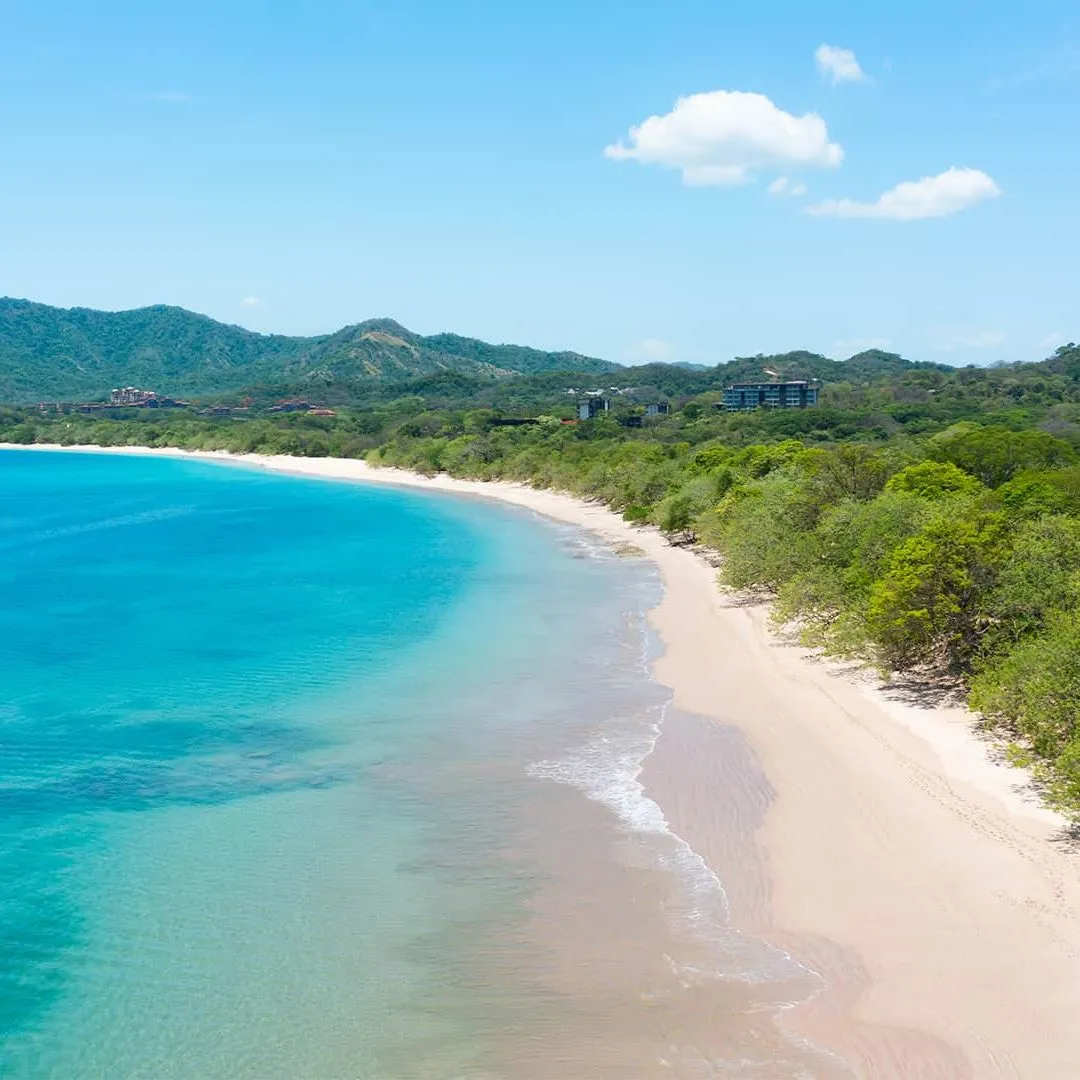
Nestled in the lush forests and stunning coastline of Guanacaste Province, The Westin Reserva Conchal is an all-inclusive resort that promises luxury and relaxation. Its world-class amenities include a championship golf course, a sprawling pool, and a spa offering treatments inspired by the region’s natural resources.

Dream Las Mareas Costa Rica
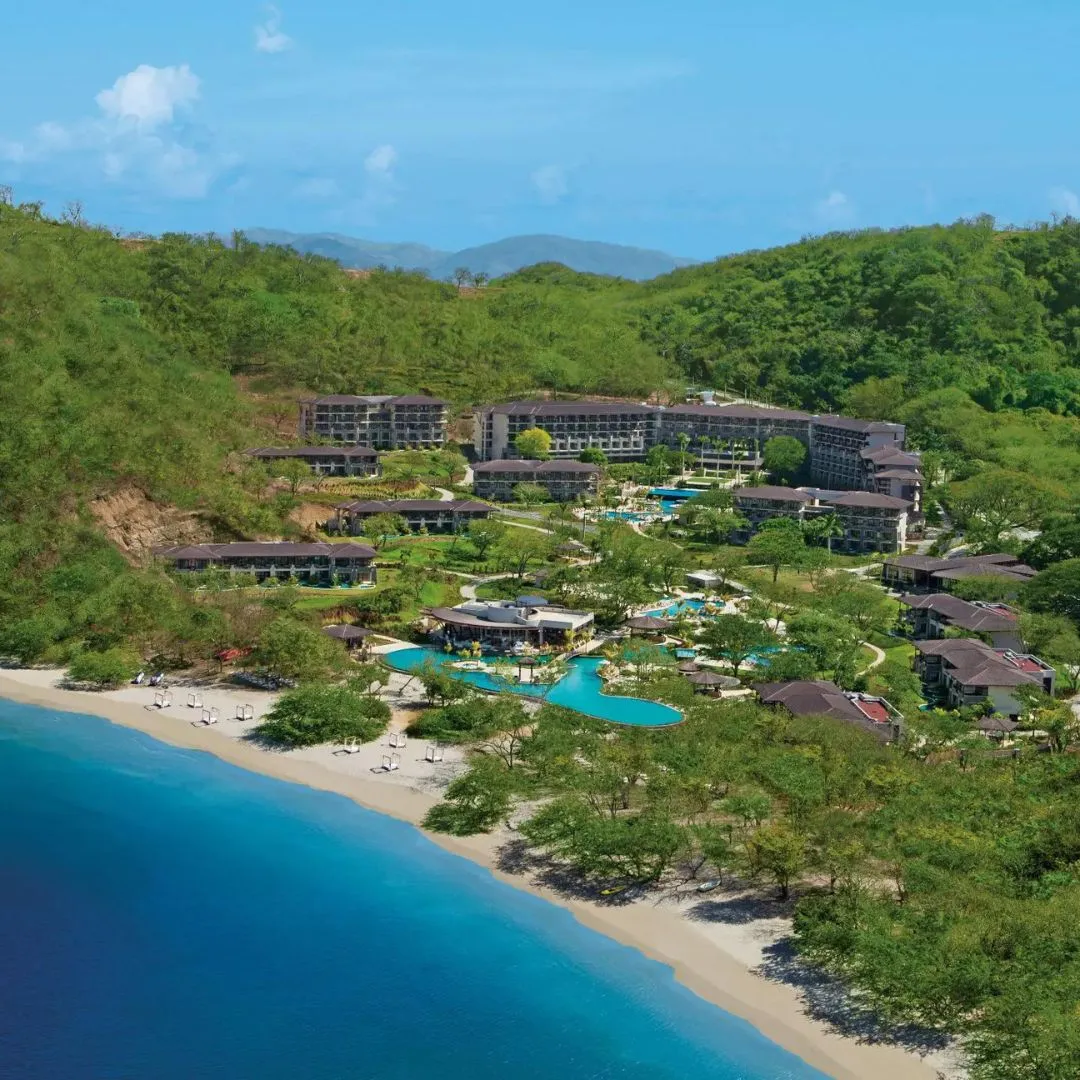
Located on the northern coast of Costa Rica, Dream Las Mareas Costa Rica is a sanctuary for couples seeking a romantic escape. This luxurious resort features suites with breathtaking ocean views, private plunge pools, and direct access to the beautiful Playa El Jobo.
Amor Arenal
Positioned at the foothills of the Arenal Volcano, Amor Arenal offers an intimate setting with just 31 casitas, each with its own private plunge pool. Its location is perfect for couples looking to explore the natural wonders of Costa Rica, from hot springs to rainforest hikes.

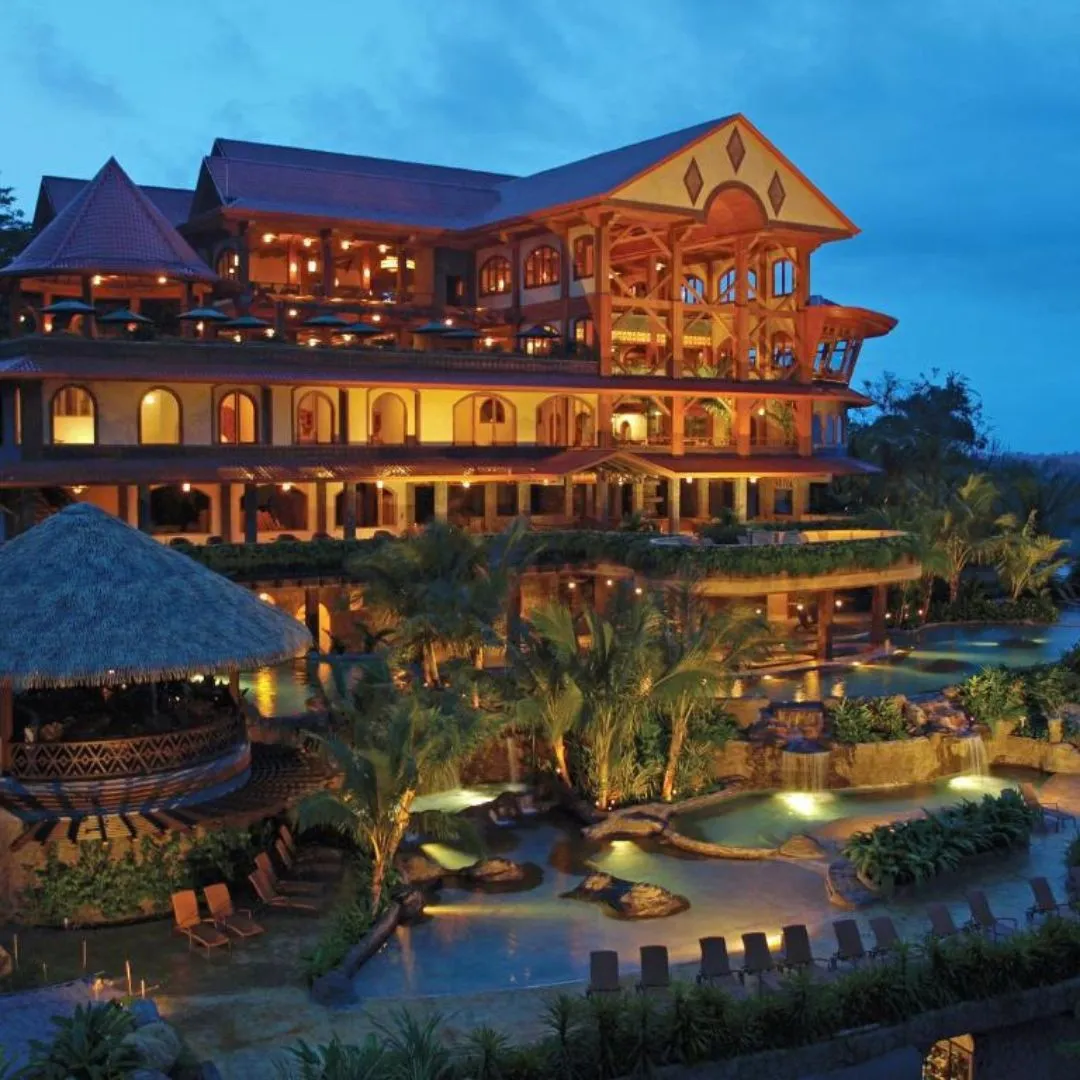
The Springs Resort & Spa at Arenal
This resort is famous for its spectacular views of the Arenal Volcano and its thermal hot springs. The Springs Resort & Spa is the epitome of luxury in the heart of the jungle, offering an unparalleled experience for couples who want both adventure and relaxation.
Arenas del Mar Beachfront
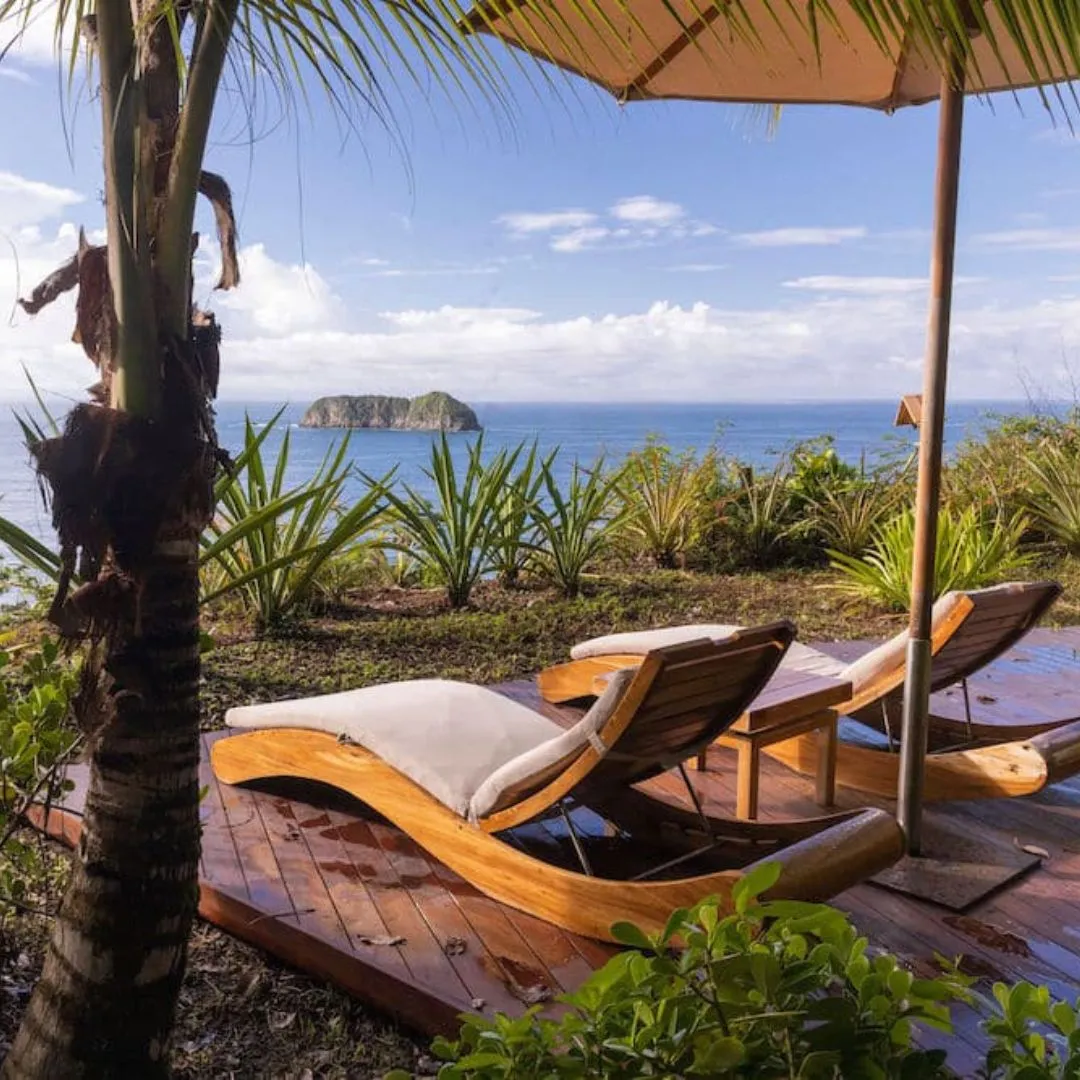
For couples dreaming of a beachfront retreat, Arenas del Mar in Manuel Antonio offers a unique blend of luxury and nature. With direct access to two pristine beaches and views of the Pacific Ocean, it’s an ideal spot for honeymooners looking for sun, sea, and seclusion.
Costa Rica Honeymoon Tips: What You Need to Know
- Language and Currency: Spanish is the official language, but English is widely spoken in tourist areas. The Costa Rican Colón is the currency, though US dollars are commonly accepted.
- Getting Around: Renting a car offers the most flexibility for exploring, but consider booking guided tours for remote areas like national parks.
- Packing Essentials: Include lightweight clothing for the warm climate, hiking boots for adventure activities, and eco-friendly sunscreen to protect the country’s delicate ecosystems
How to Get to Costa Rica
Most international flights arrive at Juan Santamaría International Airport in San José or Daniel Oduber Quirós International Airport in Liberia. From there, domestic flights, shuttles, and rental cars are available to reach your final destination.
The Best Costa Rica Honeymoon Destinations
Manuel Antonio National Park
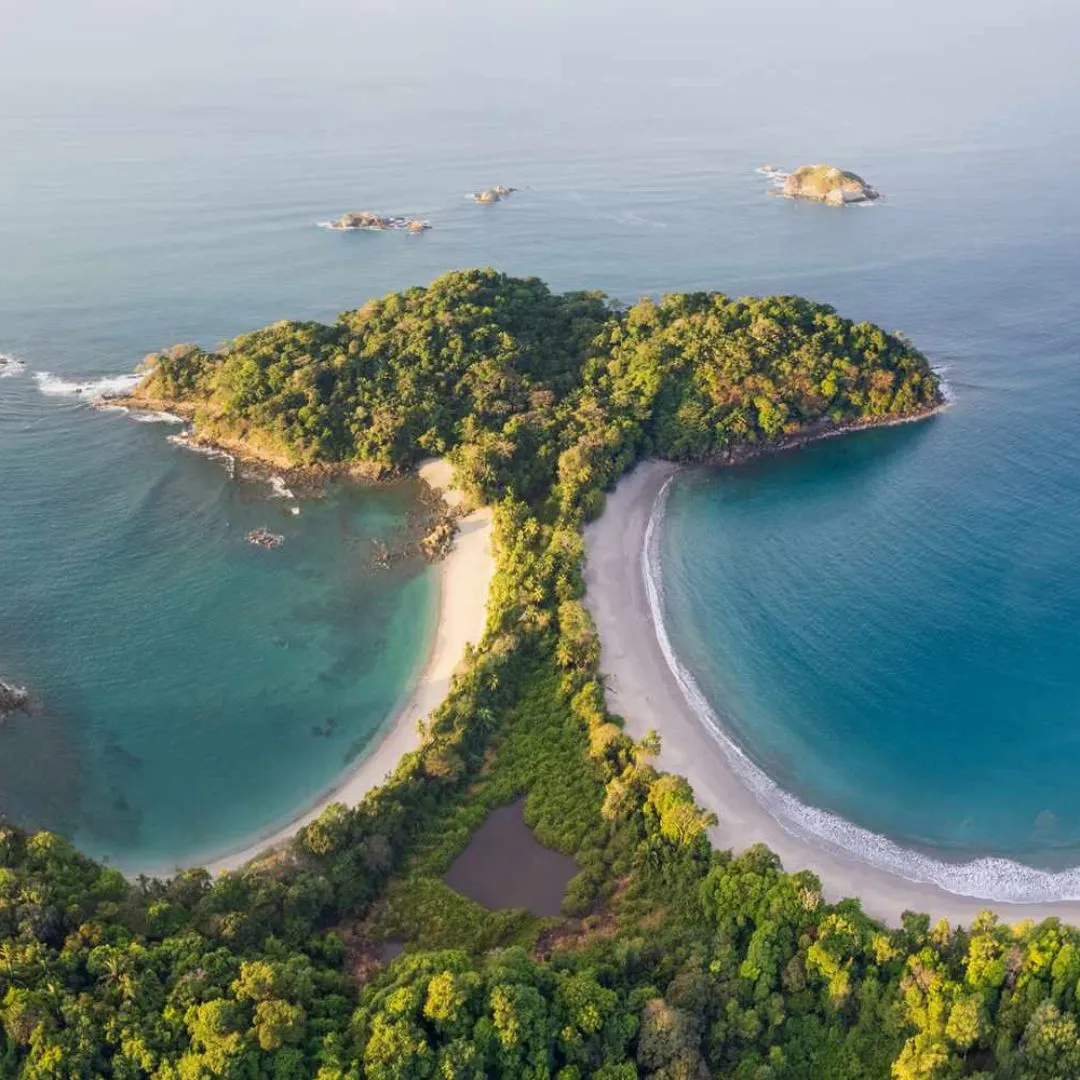
Manuel Antonio National Park is not just a wildlife haven but also a romantic escape. Couples can enjoy guided walks through the rainforest to spot sloths, monkeys, and a variety of birds. The park’s beaches, particularly Playa Manuel Antonio, are among the most picturesque in Costa Rica, offering crystal-clear waters and secluded spots for sunbathing. Don’t miss the opportunity for a romantic sunset sail around the park, offering stunning ocean views and the chance to spot dolphins and whales.
Corcovado National Park
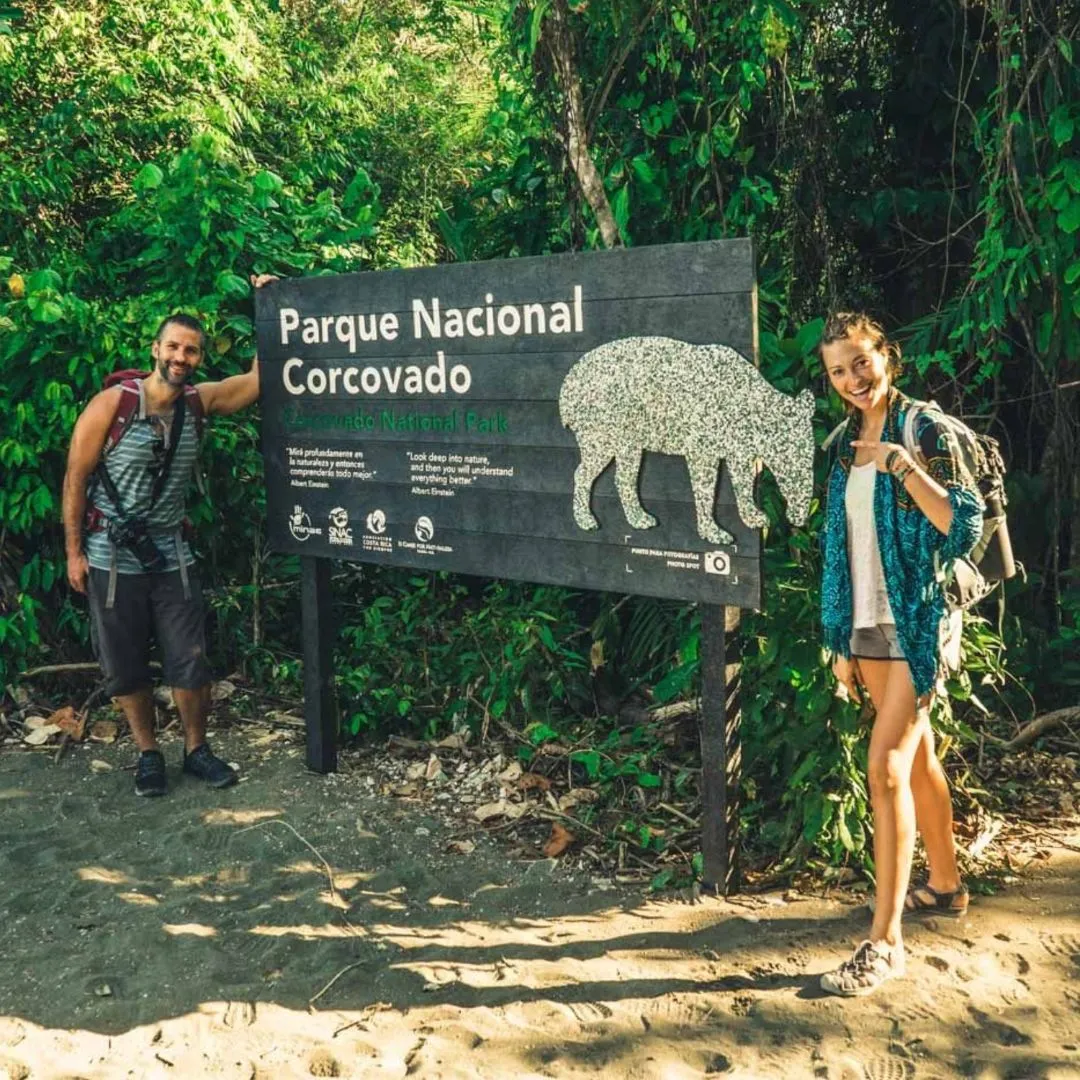
Corcovado is the jewel in Costa Rica’s crown of biodiversity. For couples willing to venture off the beaten path, this park offers an immersive experience in what National Geographic has called “the most biologically intense place on Earth.” Hiking through its trails provides encounters with exotic wildlife, including tapirs, jaguars, and scarlet macaws. Staying in one of the eco-lodges at the park’s edge allows for a deeper connection with nature and each other.
Playa Conchal
Playa Conchal is renowned for its unique sand, composed of millions of crushed seashells, and its turquoise waters. It’s an ideal location for couples seeking both relaxation and activities like snorkeling, kayaking, or just lounging on the beach. The nearby town of Tamarindo offers vibrant nightlife, gourmet restaurants, and shopping, making it a perfect day trip for honeymooners looking for a mix of adventure and culture.
Arenal Volcano
The Arenal Volcano area is a hotspot for adventure and relaxation. Couples can explore the surrounding rainforest through hanging bridges, zip lines, and hiking trails. The numerous hot springs around the volcano offer a romantic setting for relaxation after a day of exploration. For a unique experience, take a night hike to see the glowing lava flows and enjoy an intimate dinner with a view of the volcano.

San José
San José, the cultural heart of Costa Rica, offers a contrasting experience to the country’s natural attractions. Couples can dive into Costa Rican culture by visiting museums, theaters, and art galleries. The city’s lively markets and historic neighborhoods offer a glimpse into local life. Dining in San José is a delight, with options ranging from traditional Costa Rican cuisine to international gourmet experiences.

How Long to Spend on Your Costa Rica Honeymoon
Deciding how long to spend on your Costa Rica honeymoon depends on a variety of factors, including your interests, budget, and the pace at which you want to travel. A 7 to 10-day trip is ideal for a balanced honeymoon that combines relaxation with exploration. This timeframe allows for:
- 2-3 days in the Arenal Volcano area to enjoy the hot springs, nature hikes, and possibly a spa day.
- 2 days in Manuel Antonio or Corcovado National Park for beach time and wildlife viewing.
- 1-2 days in Playa Conchal to unwind on the beautiful beaches and try water sports.
- 1 day in San José to explore the cultural sites and indulge in a fine dining experience.
For couples with more time, extending your honeymoon to two weeks allows for a deeper exploration of Costa Rica’s diverse regions. Consider adding a visit to the cloud forests of Monteverde, where you can walk among the treetops, or the Caribbean coast, known for its laid-back atmosphere and Afro-Caribbean culture. With more days, you can also indulge in leisurely days at your resort, additional adventure activities, or even a cooking class to learn about Costa Rican cuisine.
Regardless of how long you spend, Costa Rica offers a rich tapestry of experiences that make for an unforgettable honeymoon.
Frequently Asked Questions
What is the best time of year to go on a honeymoon in Costa Rica?
The best time for a honeymoon in Costa Rica is during the dry season, from December to April. This period offers sunny, dry weather perfect for beach outings and outdoor adventures. However, the green season, from May to November, can also be appealing for its lush landscapes, fewer crowds, and lower prices, despite the possibility of afternoon rain showers.
Is Costa Rica safe for honeymooners?
Yes, Costa Rica is considered safe for travelers, including honeymooners. Like any tourist destination, it’s important to practice common sense safety measures such as guarding personal belongings, staying in reputable accommodations, and following local advice on areas to avoid.
Can we experience wildlife encounters in Costa Rica?
Absolutely. Costa Rica is famous for its biodiversity. Manuel Antonio National Park, Corcovado National Park, and the Monteverde Cloud Forest Reserve are just a few places where you can see wildlife, including sloths, monkeys, toucans, and possibly even jaguars, in their natural habitat.
What are some romantic experiences we can have in Costa Rica?
Costa Rica offers numerous romantic experiences, such as private dinners on the beach, sunset sailing cruises, couples spa treatments using volcanic mud, and secluded stays in treehouses or eco-lodges surrounded by nature. Adventure-loving couples can enjoy tandem zip-lining, horseback riding on the beach, or hot air balloon rides over the forests.
Do we need to speak Spanish to travel to Costa Rica?
While Spanish is the official language, many Costa Ricans in the tourism industry speak English, especially in areas frequented by international visitors. Learning a few basic Spanish phrases can enhance your experience, but it’s not a requirement for enjoying your honeymoon in Costa Rica.