
Costa Rica is a small country between Nicaragua and Panama, renowned for its biodiversity, stunning natural landscapes, and coffee. Costa Rican coffee is considered among the best in the world, and for good reason.
As the Coffee Institute of Costa Rica explains, we grow our coffee on fertile volcanic soils with low acidity, which are ideal conditions for its production. Moreover, we only use Arabica coffee beans, with the Caturra and Catua varieties, which have better aroma and flavor.
If you love coffee, this guide aims to provide insights into the exploration of the finest coffee originating from Costa Rica, which is highly recommended for coffee enthusiasts.
A Brief History of Costa Rican Coffee
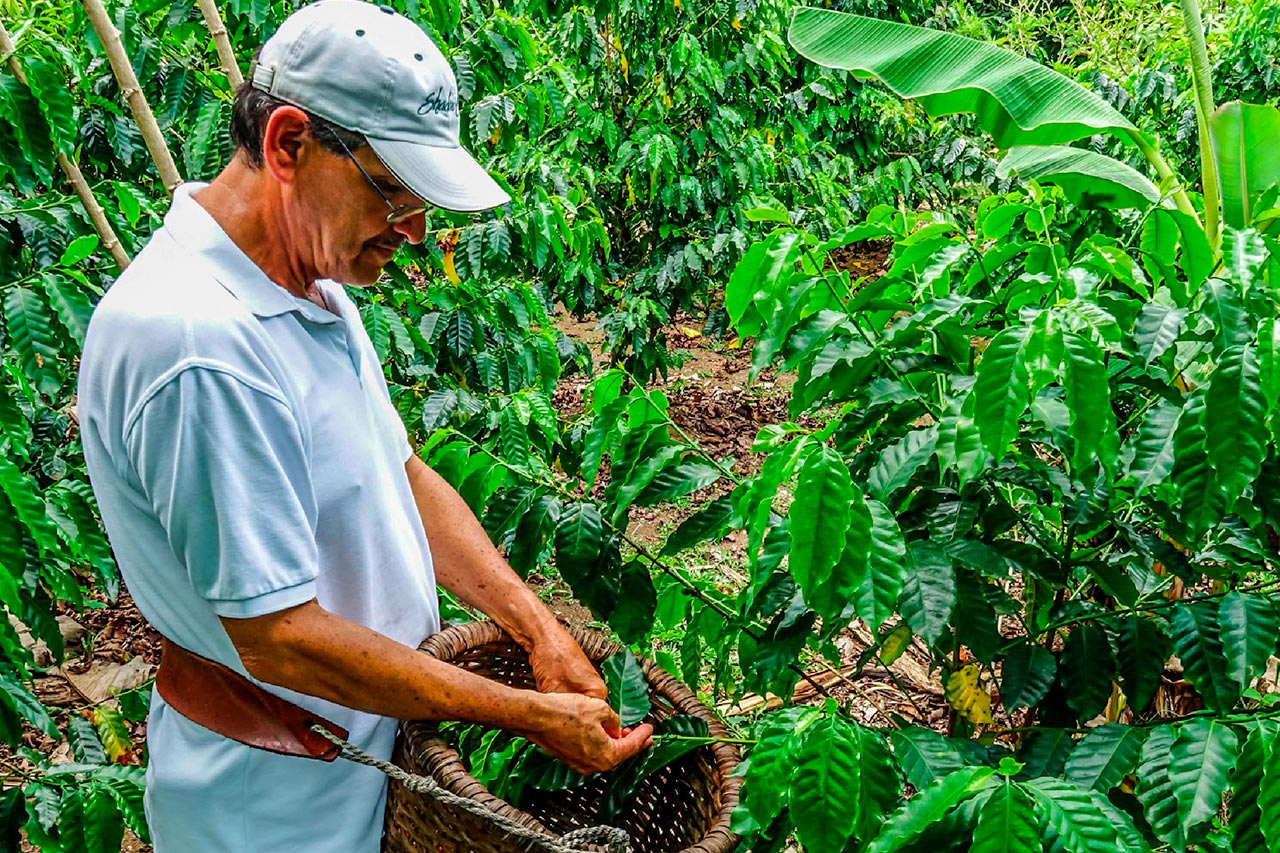
Costa Rica has a long and storied history with coffee. Coffee was first introduced to Costa Rica in the late 18th century, and it quickly became a significant cash crop for the country.
After Costa Rica’s independence in 1821, the government actively supported the coffee industry by providing free land to farmers who wanted to grow coffee.
Some decades passed between introducing coffee and its consolidation as an export product, when many authorities took measures to promote coffee production.
Once Costa Rican beans were exported, they didn’t need a slick marketing campaign to get noticed. Since Costa Rican coffee was renowned for its quality, its acceptance was widespread thanks to continuous improvements in processing and the introduction of mechanisms that improved the coffee bean.
Today, coffee is one of Costa Rica’s most important exports, and the country is known for producing some of the best coffee in the world.
Costa Rica’s Coffee Growing Regions
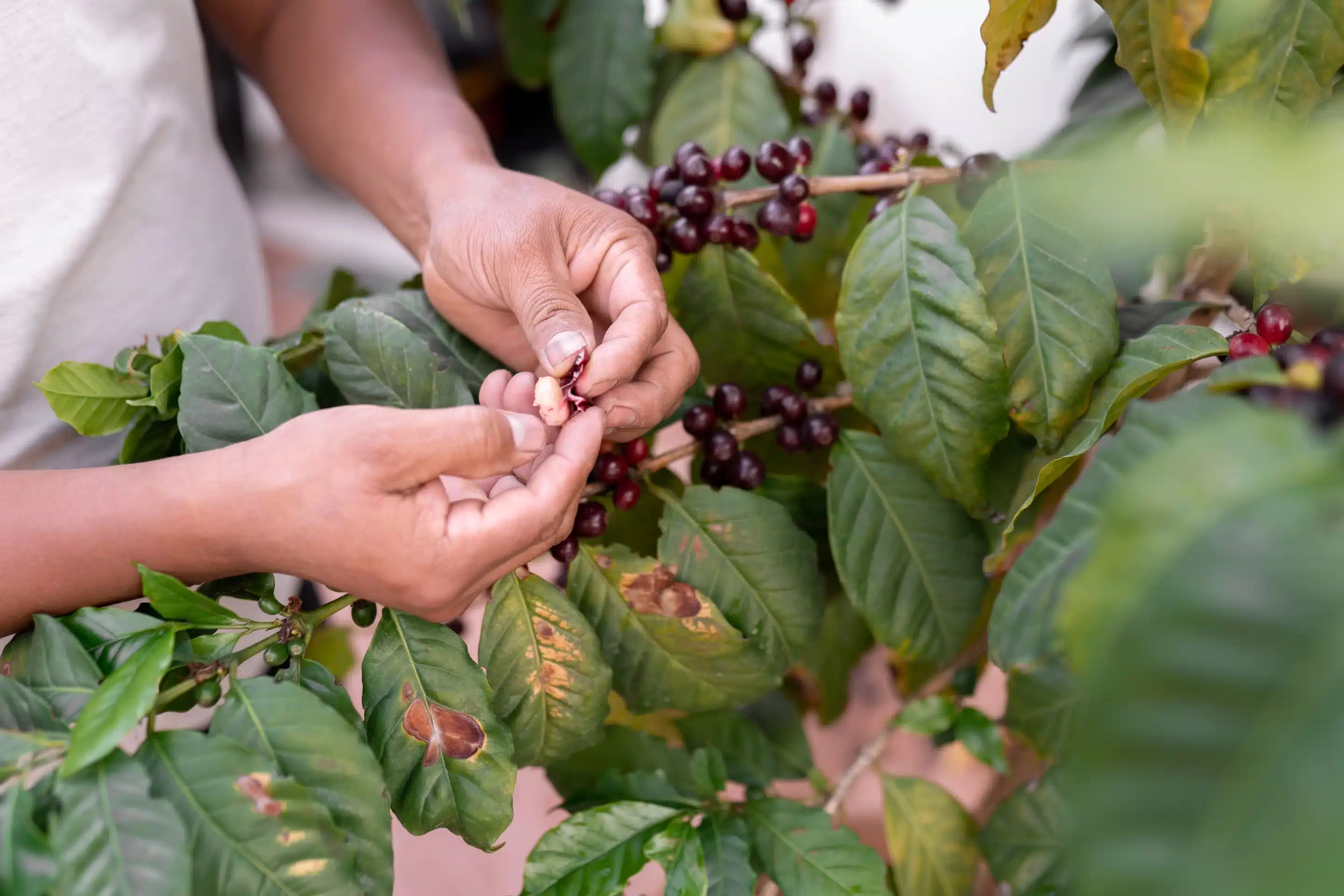
Costa Rica has eight coffee-growing regions with unique characteristics and flavor profiles. The eight productivity zones are divided into low zones below 1,000 meters, where the coffee is lighter, and high zones above 1,200 meters, which are more robust, acidic, and aromatic.
Rainfall, relative humidity, and temperature tend to decrease with elevation in Costa Rica, although slopes differ significantly. Altitude affects the size and hardness of seeds and specific beverage components. Combining these elements with the characteristics of the Arabica bean class produces an aromatic, delicate, flavorful, high-quality coffee.
The coffee farmers of each region of Costa Rica have agreed to sign a Quality Improvement Agreement, ensuring that the coffee plantations receive only ripe fruit and that only the best coffee will be processed.
These regions are:
- Tarrazú
- Central Valley
- West Valley
- Guanacaste
- Tres Ríos
- Turrialba
- Brunca
- Orosi
The Best Costa Rican Coffee Brands
Now that we have some background on Costa Rican coffee, let’s dive into some of the best Costa Rican coffee brands you can’t miss.
Café Britt
Cafe Britt is one of Costa Rica’s most beloved gourmet coffee brands, and its popularity is well-earned. You can find their exceptional coffee in various venues, including souvenir shops, hotels, restaurants, and local coffee stores throughout the country.
While we’ve already highlighted that Costa Rica produces coffee with rich flavors, distinctive aromas, and exceptional quality, it’s worth reinforcing. Café Britt’s dedication to excellence is evident in their meticulous selection of premium coffee beans from the country’s finest regions, paired with the expertise of top-tier roasters. The result? A coffee that not only meets but exceeds expectations in terms of taste.
This brand’s unwavering commitment to quality and sustainability has fostered a dedicated following, making Café Britt a cherished choice for residents and visitors alike.
Volcanica Coffee
Volcanica Coffee is a specialty coffee roasting company that produces quality single-origin coffee from volcanic regions of various countries around the globe, including Costa Rica.
The volcanic soil in our region provides the perfect conditions for growing coffee beans with rich flavors and aromatic profiles. Costa Rican coffee is one of their best-selling coffees and is available in several varieties, such as Peaberry, Tarrazu decaf, and Geisha. Each type offers a unique taste experience, making Volcanica Coffee a must-try for any coffee enthusiast.
Café Rey
Café Rey is a popular coffee brand among local Costa Ricans and is a staple in many households. It is available in almost any Costa Rican grocery store and is known for being “tasty and smooth” with a “fabulous smell.”
Café Rey sources its coffee beans from the best coffee-growing regions in Costa Rica and roasts them to perfection to bring out the flavors and aromas that make Costa Rican coffee so unique.
Exploring the Brews and Roasts of Costa Rican Coffee
Costa Rican coffee is known for its bright acidity, medium body, and fruity, citrusy flavors. The roasting process plays a crucial role in bringing out these characteristics and can significantly affect the taste of the coffee.
Let’s take a look at the different types of roasted coffee:
Types of roasts
Costa Rican coffee is typically roasted to a medium or medium-dark roast level to highlight its natural flavors and aromas. Here’s a brief description of the attributes each roast gives to the coffee beans:
- Medium roast coffee: This roast level is perfect for Costa Rican coffee as it brings out the bright acidity and fruity flavors while maintaining a smooth and balanced body. You’ll notice that medium roast beans will have a milk chocolate color and a slightly shiny surface.
- Medium-dark roast coffee: This roast level will have a richer body and more developed flavors while still maintaining some of the bright acidity. The beans will have a dark chocolate color and a shiny surface.
Brewing Methods
The brewing method you choose can also affect the taste of your coffee. To let your taste buds experience this delicious coffee, try the following brewing methods:
- Pour-over: This method allows you to control the brewing time and water temperature, which is perfect for highlighting the bright acidity and fruity flavors of Costa Rican coffee.
- French press: This method produces a coffee with a full body and robust flavors, which can be a great way to enjoy the richness of a medium-darkly roasted Costa Rican coffee.
- Espresso: Costa Rican coffee can make a great espresso with bright acidity, fruity flavors, and a smooth, creamy body.

Bring Home the Taste of Costa Rica
Costa Rican coffee is renowned for its rich flavors and aromatic profiles. It has been the fundamental driving force for the Costa Rican economy’s social and cultural development, which is why the coffee bean is known in coffee jargon as “The Golden Grain.”
Whether you are a coffee connoisseur or a casual drinker, we hope this guide has helped you discover the world of Costa Rican coffee and inspired you to try some of the best Costa Rican coffee beans and brews.
If you would like to explore the heritage and traditions of this popular beverage, we can help. Contact Find My Costa Rica today and take your love for coffee to a whole new level!
We have crafted some of the most immersive coffee plantation tours where you can enjoy and feel the heavenly aroma of the coffee beans, see the roasting process, and taste this flavorful coffee. And the best part is that you can take a few bags of your favorite Costa Rican coffee home or buy extras as souvenirs!