What is “El Tope” and Why Do Costa Ricans Celebrate it?

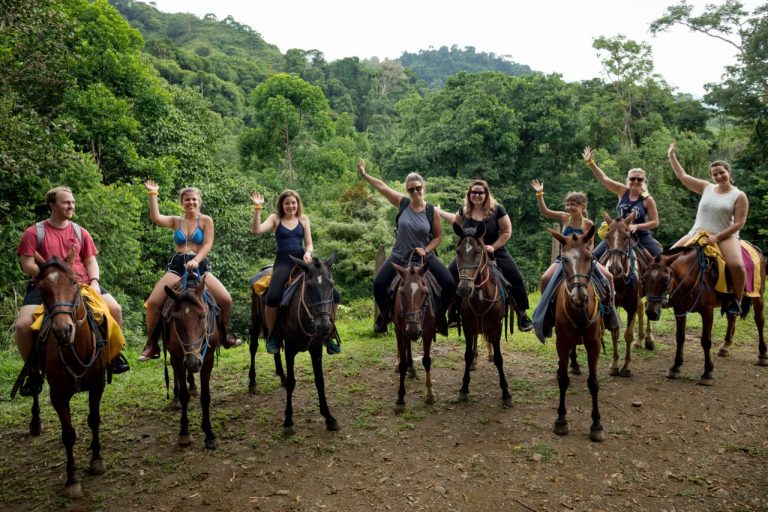
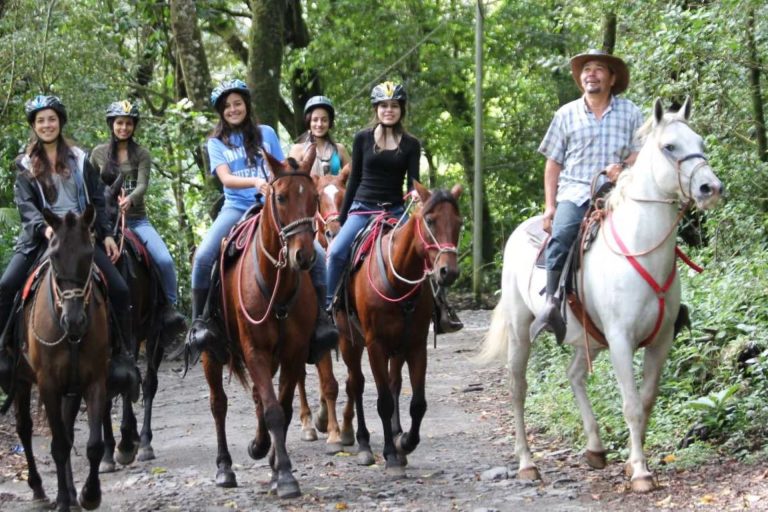
“El Tope” in Costa Rica resembles a captivating equestrian spectacle. It’s an exhilarating horseback riding parade where individuals gather to witness accomplished riders demonstrate their skills while astride majestic horses.

Typically, this lively horse parade is a focal point during other local celebrations, where spectators and riders wear their finest cowboy attire, complete with leather boots and hats. Intrigued? Let us uncover the details!
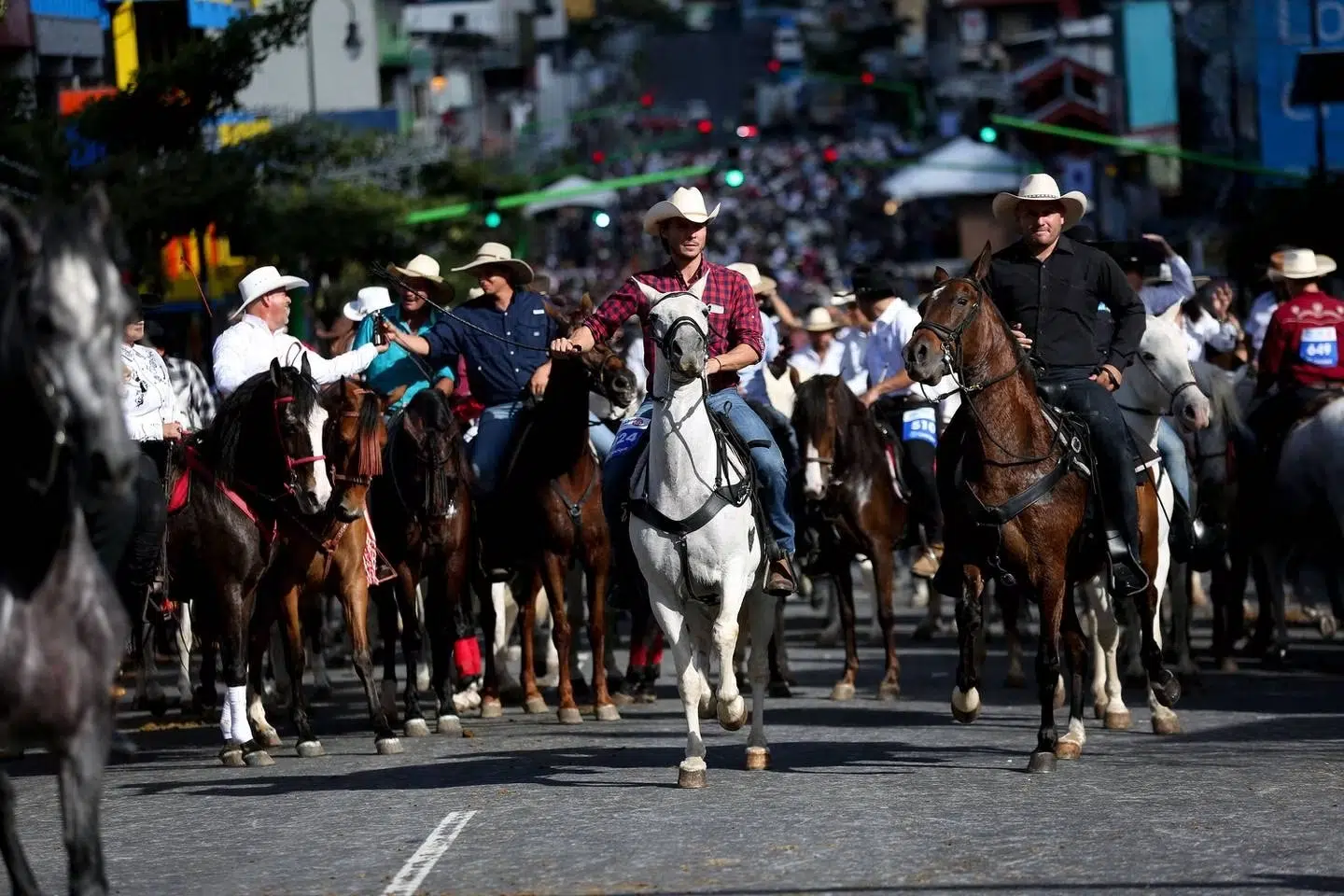
El Tope, Costa Rica, is a thrilling celebration that comes alive with majestic horses and skilled riders, creating an electrifying spectacle that captivates all who witness it.

Where and When Is This Parade Held?

Many “topes” are held in multiple cities across the country throughout the year. The first one of each year takes place in Palmares, followed by similar events in Alajuela, San Carlos, Santa Ana, and other locations.

Nevertheless, the most magnificent celebration, recognized as El Gran Tope Nacional, unfolds in the capital city of San Jose every December. The procession extends from Plaza Viquez to Sabana Park, where a crowd of eager spectators awaits the grand rider’s parade.

What Does the Tope Nacional Celebrate?

Costa Ricans celebrate this holiday in honor of National Horsemen Day, making it an early national event that beautifully embodies Tico folklore and brings together thousands of equestrian enthusiasts.

What’s the origen of this celebration?

There are many versions of how the “tope” origen, but it’s essential to go back in time for each one. One of the versions says that it all started about 80 years ago when the United Fruit Company used to import the cattle that would be ridden on the banana plantations.

The workers would take the lead as riders and go with their horses to the port in Limon to meet up, or, as said in Costa Rica, “topar,” the cattle. Over time, neighbors gathered on the sidewalks for the occasion.

Another theory is that money was needed to fix San José after the earthquake in 1871. To raise money to rebuild the Metropolitan Cathedral, the Catholic Church organized events in nearby towns.

Fairs were held in the surrounding towns to raise money for construction. As a result of these fairs, the proceeds should be transferred to St. Joseph’s. The money would be carried by some of the most influential men in the city, who would be met at the halfway point by men from St. Joseph. For this task, both groups of men would use their best horses.

Construction materials like stone, wood, and paint would also be transported on ox carts. This parade would be led by some of the best Costa Rican horses. The parade continued after the cathedral was finished.

A third explanation is that it started as a horse race in colonial times. During Fiestas de San Juan, a bullfighting and horse racing competition, a horse race kicked off the festivities. Watching the fastest horses and best jockeys compete was a big draw. Over the years, it evolved into El Tope.

No matter the root of this national holiday, nowadays, the tope is an annual celebration all about the riders parading through the city, showing off their best costumes and finest horses.
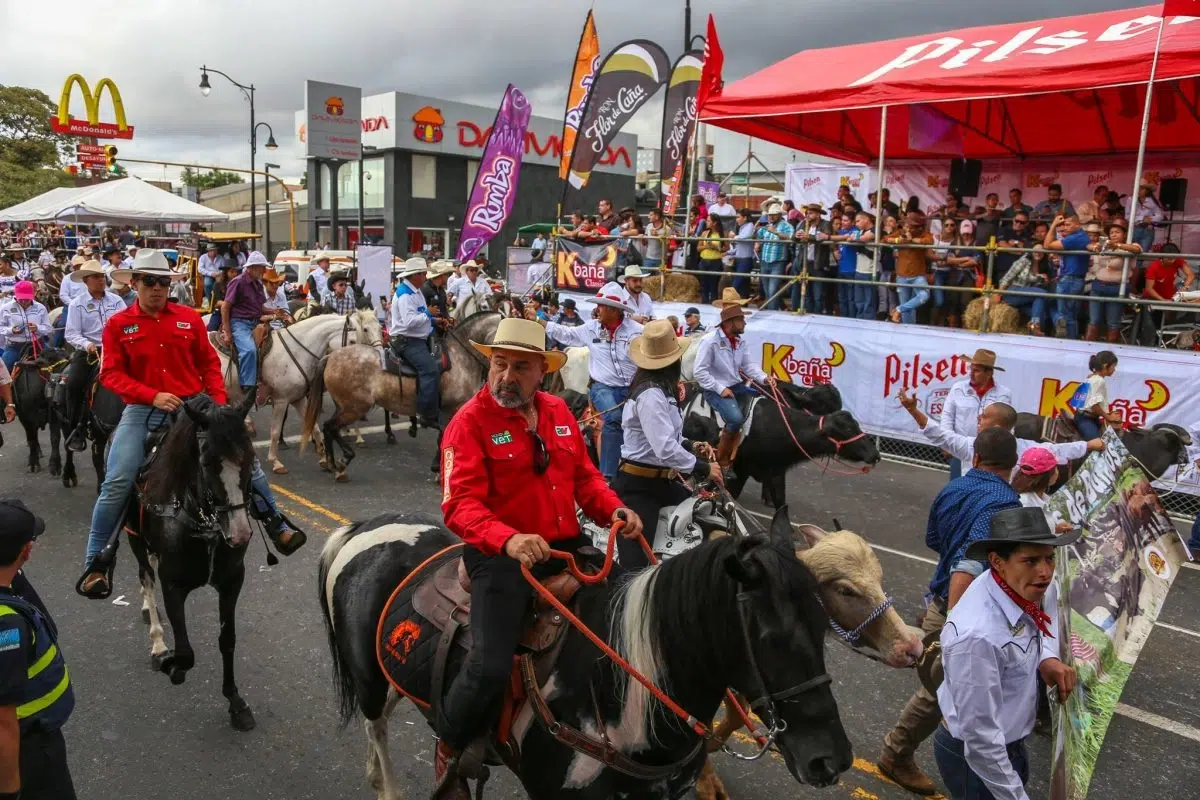
El Tope Nacional is one of the official Costa Rica holidays.

How do people participate in “El Tope”?

Some people sign up to parade either with their own horses or with rented ones. The three most common breeds amongst the horseback riders are the Costa Rican Creole, the Latin American, and the Pure Spanish bred, all of which have a value that oscillates between $17K to $62K.

To ensure adequate treatment for the horses participating in the parade, the owners and riders are asked to follow a series of guidelines and recommendations, including:

  • The horses must not be sick or injured. They may not participate if they have an advanced pregnancy or are in heat.
  • All animals must be well-fed and hydrated before the activity and transported to a suitable and safe space.
  • The animals must be supervised at all times, and the armor they wear, like the saddle or mouth break, must not hurt or injure them.
  • The horses and mares may not be beaten in a rude or abusive manner; equestrians are not allowed to stand on the saddle; only one person, the rider, may be on the horse, and the boots worn by them may not hurt the horse either.

The atmosphere at each horse parade

During the tope, there is never a dull moment for anyone. Street vendors seize the moment, offering traditional foods, drinks, hats, sunglasses, and other items for the people watching. People bring chairs and blankets to lay out on the street, while others make barbecues and blast music for people to sing and dance along to.
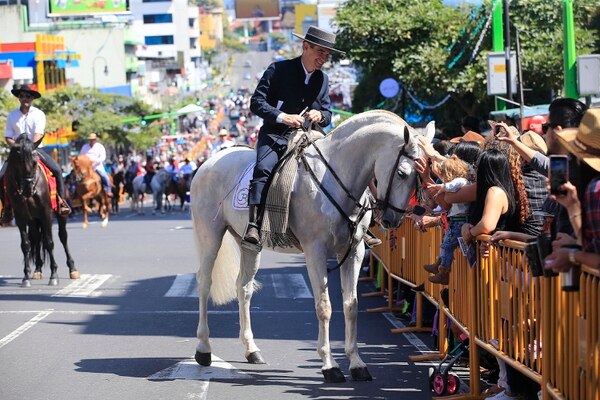
If you plan to visit Costa Rica during December, watching the National Tope is something you can't miss.

National Holidays in Costa Rica that Are Celebrated with a “Tope”

If you’re curious about what Costa Rica celebrates through “topes,” the answer would be plenty of things. As mentioned, many “topes” occur in different locations around Costa Rica throughout the year.

Some of the most popular include:

Festival de Santa Cruz

This celebration takes place in January in Santa Cruz, located in Guanacaste. Each January 14th, residents of the area participate in many activities in honor of their patron saint, “El Santo Cristo de Esquipulas.”

The festivities include:

  • Savoring traditional cuisine
  • Bullfighting
  • A procession of horse riders
  • Engaging in gunpowder games
  • Numerous concerts
  • Lively masquerades that wind through the streets

Carnaval de Puntarenas

During the last week of February, Puntarenas holds the Festival of the Queen, which unites processions that traverse the heart of Puntarenas.

Here you’ll see “comparsas,” which are dance troupes, masked performers, stilt-walkers, and indigenous music ensembles. Also, people gather for other activities, including fishing, sports competitions, musical performances, horse parades or “topes,” firework displays, and the crowning of the Carnival Queen.

The annexation of the Guanacaste province

Every July 25th, Costa Ricans commemorate the annexation of the Nicoya district to the province of Guanacaste, marking a significant milestone in history. This region constitutes a substantial portion of the present-day picturesque province.

The celebrations on this date encompass bullfighting, “topes,” carnival amusements, folk dancing, culinary stalls offering delectable treats, captivating marimba melodies, and a variety of unforgettable cultural activities.
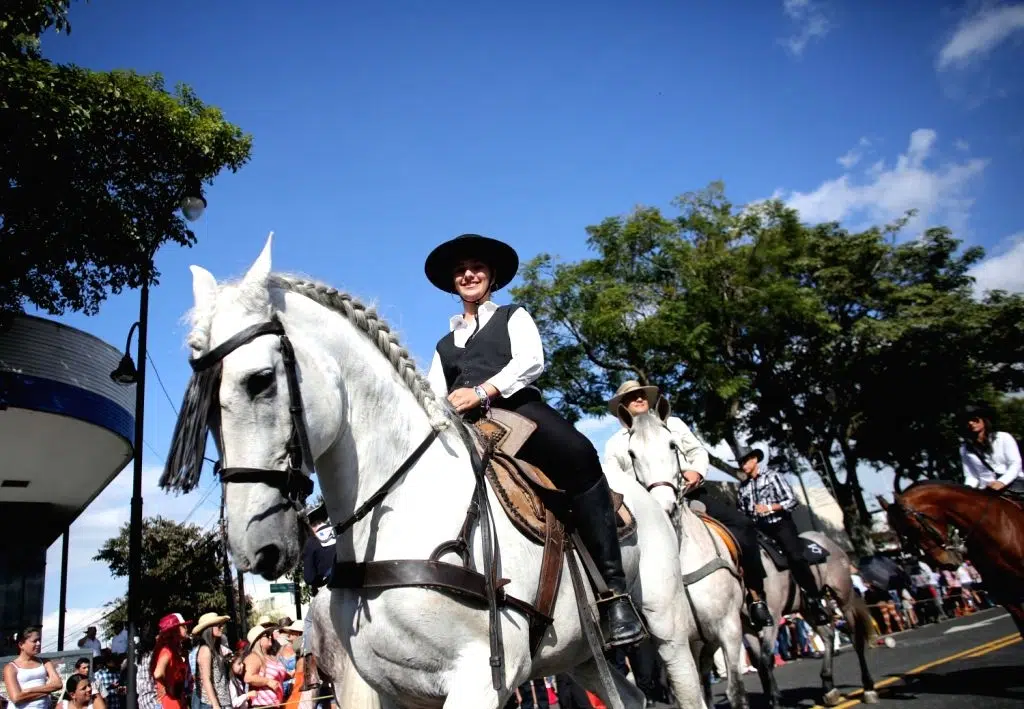
Discover the magic of this annual pilgrimage of horses in San Jose, Costa Rica!

Be Part of the Celebration in Costa Rica!

There’s something unique about watching the rhythmic gallop, dazzling equestrian displays, and vibrant atmosphere all combine during “topes” to create an unforgettable experience that truly showcases the heart and spirit of Costa Rican culture.

While there are numerous other national holidays in Costa Rica, such as Festival de la Luz, Los Angeles Day, Costa Rica’s Independence, and Fiesta de los Diablitos, which draw thousands of people from across the country, these vibrant festivities notably lack the exhilarating spectacle of horse parades, or “topes.”

If you’re eager to uncover more about Costa Rica’s rich cultural tapestry and unique celebrations, don’t hesitate to contact Find My Costa Rica with any questions. We can help you plan your perfect, fun vacation. Keep exploring our blogs to learn more about our country’s beauty.

The rainy season is genuinely wonderful for travelers who prepare for it. Crowds are smaller, forests are greener, and waterfalls are at their most dramatic. It rains hard, but usually in defined afternoon windows — mornings are often clear.

Want the full picture? Our guide to Costa Rica’s rainy season covers what to expect region by region.

What to pack by activity

Do not repeat your master checklist here these are the additions that matter for specific trip types. Grab what applies to your itinerary and leave the rest.

Beach and water sports

  • Rash guard sun protection in the water is more effective than sunscreen alone
  • Waterproof phone case or action cam housing
  • Reef-safe sunscreen mandatory in marine reserves; this is not a suggestion
  • Water shoes for rocky beaches and shallow reef walks

Hiking and national parks

  • Trekking poles especially useful on steep, wet trails in Corcovado or Chirripó
  • Gaiters for deep mud on rainy season trails
  • Extra headlamp batteries early morning wildlife walks start before dawn
  • Microfiber towel compact and dries fast between hikes

Wildlife watching

  • Binoculars note that most FMCR partner guides carry loaners, so check with your guide before packing yours
  • Zoom lens (200mm or more) for photographing birds and monkeys at distance
  • Early-morning layers wildlife is most active before 8am when temperatures are still low
  • Silent, dark-colored clothing neon colors startle wildlife

City and culture (San José and beyond)

  • Money belt or anti-theft bag  pickpocketing exists in busy market areas
  • Light cardigan or blazer for nicer restaurants
  • Comfortable walking shoes  cobblestones in Barrio Amón are tough on sandals
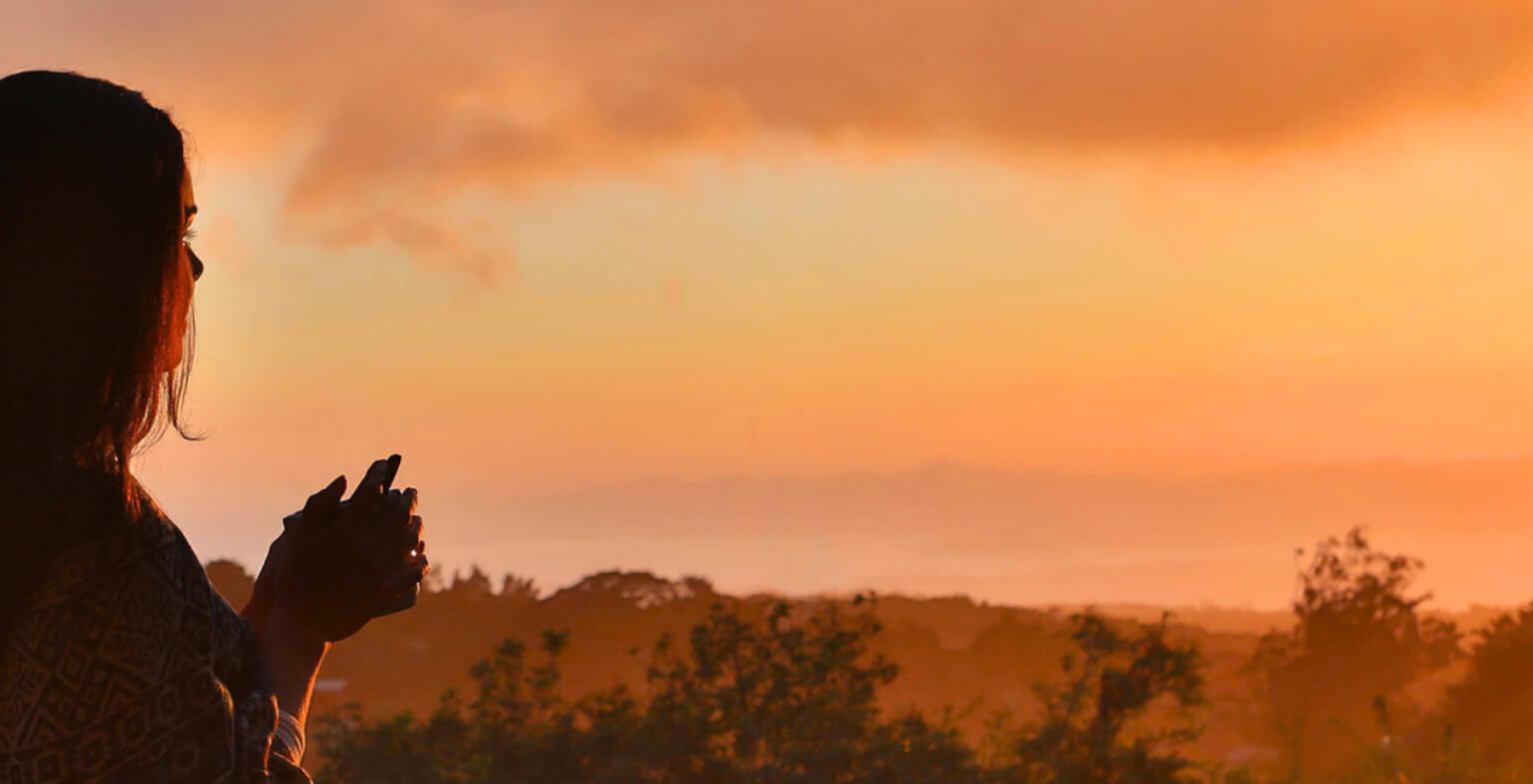
Traveler enjoying a Costa Rica sunset view from a scenic overlook

What NOT to pack for Costa Rica

This is the section most travelers wish they had read first. Overpacking is the number one complaint we hear from guests on their first day. Less really is more when you are moving between regions.

Jeans: They never fully dry in the humidity. Swap them for quick-dry pants or shorts and thank yourself on day two.

High heels or dress shoes: You will not need them. Even nice restaurants in Costa Rica are casual. One pair of clean trail sandals does the job.

Too many shoes: Three pairs maximum: waterproof sandals, trail shoes, and flip flops. Shoes are heavy and take space.

Non-reef-safe sunscreen: It is prohibited in several reserves and harmful to marine ecosystems. Bring reef-safe from home. Brands like Raw Elements and Badger are good options.

A hair dryer: Almost every hotel and lodge provides one. Leave yours at home.

Valuables you cannot afford to lose: Leave the expensive jewelry and the laptop you need for work. Use your trip as a proper break.

Cotton everything:Cotton absorbs moisture and stays wet all day. Pack synthetics or merino for everything except maybe one casual outfit.

Practical tips for packing smart: documents, money, and tech

Your passport must be valid for the full duration of your trip.

Customs also requires a tiquete de salida proof of onward travel out of Costa Rica. This can be a return flight or a bus ticket to a neighboring country. Have it printed or easily accessible on your phone. See Costa Rica national park regulations via SINAC for entry requirements at protected areas.

Money

  • Colones (CRC) are the local currency; USD is widely accepted but change is given in colones
  • ATMs are available in most towns withdraw colones there rather than exchanging at the airport, where rates are poor
  • Visa and Mastercard accepted at most hotels, restaurants, and tour operators; carry some cash for small sodas and local markets

Health prep

Check the CDC health recommendations for Costa Rica before your trip they cover vaccines, repellent, and food safety guidance. Travel insurance is not required by law, but we strongly recommend it for anyone doing adventure activities.

Tech

  • Costa Rica runs on 110V/60Hz US travelers need no adapter or converter
  • Cell coverage is solid in tourist areas; download offline maps before heading into remote zones
  • WhatsApp is the primary communication tool in Costa Rica make sure it is installed and working


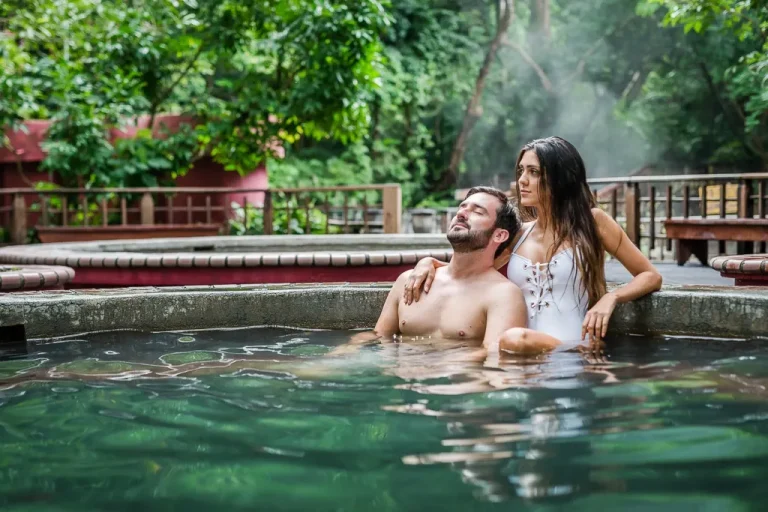
Tropical hot springs surrounded by rainforest in Costa Rica
Do I need a visa to visit Costa Rica?

US, Canadian, and UK citizens do not need a visa to enter Costa Rica for stays up to 90 days. Your passport must be valid for the full duration of your trip. You will need to show a return or onward ticket at customs.

Is tap water safe to drink in Costa Rica?

Yes in most areas. Tap water in San José, Guanacaste, La Fortuna, and other major tourist regions is safe to drink and often tastes good. In very remote or rural communities, confirm locally before drinking. Carry a reusable bottle and refill with confidence in most places.

What is the best luggage for a Costa Rica trip?

A soft-sided rolling suitcase works well if you are staying in one or two places. If you are moving between regions beach, rainforest, and volcano a mid-size backpack (40–50L) is far more practical. It fits in small boats, shuttles, and keeps your hands free on trails. We see guests arrive with giant hard-shell suitcases and spend the trip wishing they had packed a bag.

Do I need to bring bug spray to Costa Rica?

Yes. We recommend a picaridin-based repellent like Sawyer 20% over DEET it works just as well in tropical conditions, does not damage gear or plastics, and has no harsh smell. Apply it especially at dawn and dusk during the rainy season.

You may also like

Costa Rica Packing List 2026: Everything You Need for Your Trip

Costa Rica Packing List 2026: Everything You Need for Your Trip

Here is a packing mistake almost every traveler makes on their first Costa Rica trip: they pack too many shoes. Or they forget reef-safe sunscreen which is not just a recommendation but a requirement in several national parks and marine reserves. Either way, they...

The Real Meaning of Costa Rica’s Iconic Phrase “Pura Vida”

The Real Meaning of Costa Rica’s Iconic Phrase “Pura Vida”

If you’ve ever interacted with a Tico (a native Costa Rican) or researched this tropical paradise, you’ve undoubtedly come across two words: “Pura Vida.” But what is the real Pura Vida meaning? Is it just a slogan, or something deeper? What Does Pura Vida Mean? (The...

Costa Rica Travel Guide for First-Time Visitors (2026)

Costa Rica Travel Guide for First-Time Visitors (2026)

Planning your first trip to Costa Rica can feel overwhelming. With rainforests, volcanoes, and two different coasts to explore, the "Pura Vida" dream can quickly turn into a logistical puzzle. Many travelers ask: Do I really need a travel agent? Can I just rent a...

Shopping cart0
There are no products in the cart!
Continue shopping
0