Are you still trying to determine the perfect destination for your Costa Rican vacation? Get the scoop on La Fortuna, Costa Rica, with our insider details! Discover the best things to do in this picturesque town in Alajuela Province.
With our local expertise, you’ll know why La Fortuna, also known as La Fortuna de San Carlos, is one of Costa Rica’s favorite destinations. You won’t miss a beat in this tropical paradise!
In Which Province Is La Fortuna Located?
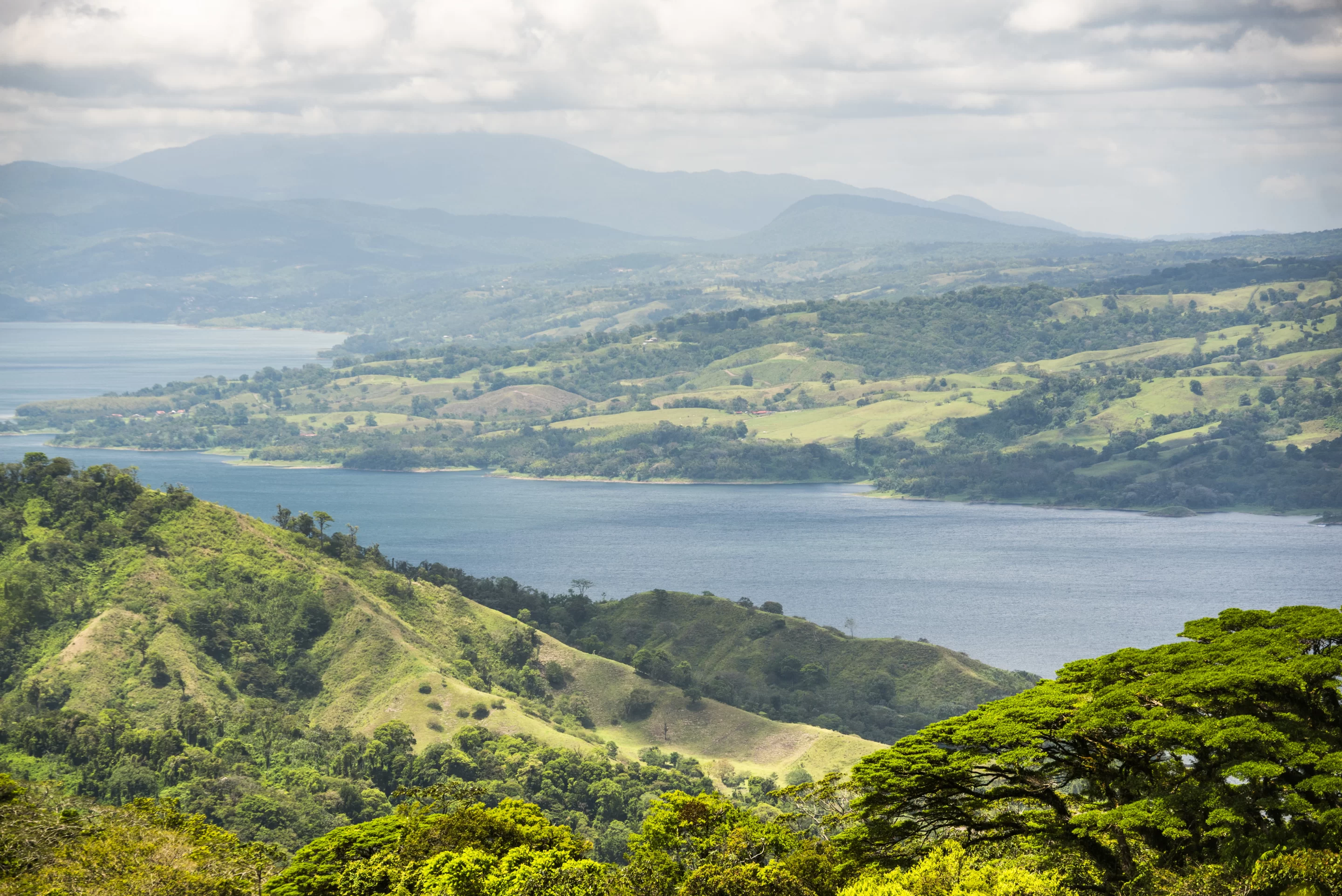
La Fortuna is located in the Alajuela Province, a beautiful region in northern Costa Rica. The Central Valley of Costa Rica, which is a region rich in both architecture and nature, borders it with its natural grandeur.
Aside from the beautiful climate, there are other enjoyable activities you can partake in. There are national parks, coffee plantations, and active volcanoes. There are also famous historical buildings and landmarks in downtown San Jose.
What Makes La Fortuna de San Carlos Spectacular?
La Fortuna de San Carlos has secured its spot as a must-visit destination. This vibrant city bursts with exciting activities, making it the ideal setting for an unforgettable Costa Rican adventure.
Here, you can fly through the rainforest canopy on hanging bridges, descend waterfalls through rappelling, and navigate rapid rivers for an exhilarating whitewater rafting experience.
Also, downtown La Fortuna hotels offer incredible views of the impressive Arenal Volcano, one of the most active volcanoes in the country.
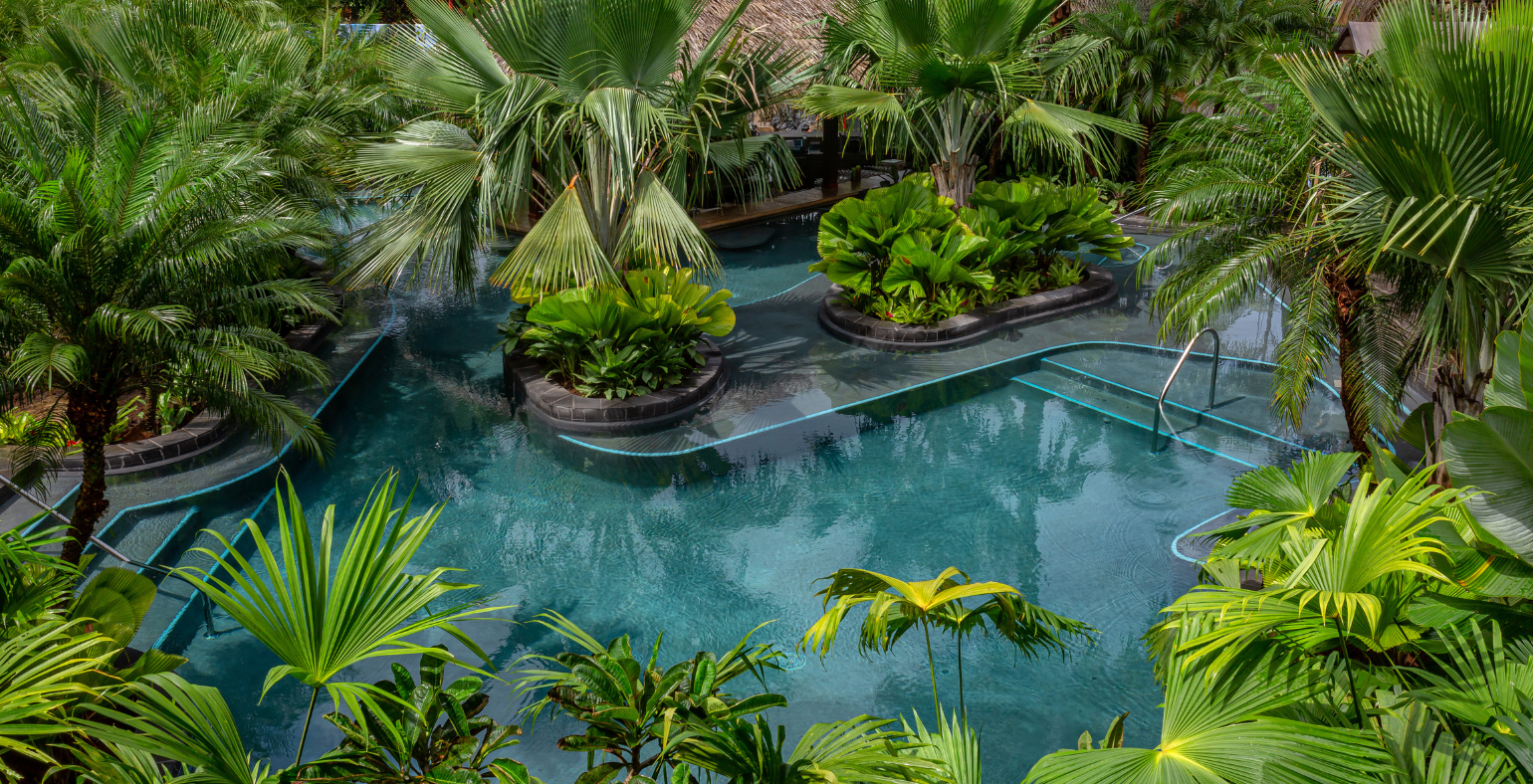
This destination is on its way to becoming Central America’s first destination for thermal tourism. La Fortuna’s nearby spas have played a significant role, offering visitors a luxurious retreat within stunning surroundings, including their proximity to Tabacon Spa and its natural hot springs.
Furthermore, the breathtaking La Fortuna Waterfall adds to the city’s charm.
10 Best Places to Visit in the La Fortuna Area
Are you ready for an adventure-packed journey? We’re revealing the best places to visit in Costa Rica’s La Fortuna area! This list takes you to the most exciting and breathtaking spots that make this incredible location unique.
There’s something for everyone in La Fortuna, whether you’re looking for adrenaline-pumping waterfalls or relaxing hot springs. Get ready for an exhilarating ride through La Fortuna’s top destinations!
La Fortuna town
La Fortuna town is a charming spot where you’ll find lush rainforests, hot springs, and a variety of wildlife. The town itself is small but vibrant, with lots of accommodations, restaurants, and shops for tourists.
La Fortuna’s central park is a focal point, where the iconic Catholic church was moved after the Arenal Volcano erupted in the 1960s. The town’s relaxed atmosphere makes it a great base for exploring the nearby natural wonders.
Arenal Volcano is only about 8 km from the town, and the driving distance from La Fortuna to Lake Arenal is around 80 km. You can hike on the volcano, and in the lake, there are water activities to enjoy.
Whether you’re interested in hanging bridges, a sloth tour, horseback riding, or a volcano hike, visiting this town gives you access to these activities and plenty more.
La Fortuna Waterfall
La Fortuna Waterfall is a stunning natural wonder surrounded by lush rainforest. The beautiful waterfall drops from 70 meters into a serene pool below. It’s in our “6 Must-See Waterfalls in Costa Rica” selection for a reason!
Along with being close to Arenal Volcano, La Fortuna Waterfalls is near Tabacón hot springs and has fun activities like canopy tours and hiking.
During our La Fortuna Highlights 4 in 1 with Tabacón hot springs tour, you can explore hanging bridges and then hike approximately 15 minutes to this majestic waterfall, where you can swim or relax.
Rio Balsa
The Rio Balsa is a famous river renowned for its exciting whitewater rafting adventures. With its lush landscapes around the Arenal Volcano, the Rio Balsa offers a thrilling and scenic experience for both beginners and experienced rafters.
With our White Water Rafting in Balsa River Class 2 and 3 tours, you’re set up for a half-day of action-packed adventure. The rapids are gentle enough for children ages 8-12 to participate.
First, you’ll get a thorough briefing and explanation of the safety equipment. When everyone’s ready, you’ll start down the rapids. At the end of the tour, guests can experience Costa Rica’s peaceful country life by eating delicious, traditional local food.
Peñas Blancas River
Peñas Blancas River is another gorgeous La Fortuna stream renowned for its wildlife and serene beauty. Its gentle currents make it an ideal spot for a relaxed river safari. This river journey immerses you in the lush rainforest surroundings while watching for the diverse wildlife that calls this area home.
During our 3-Hour Nature Wildlife Safari Float Tour, you can spot howler monkeys, white-faced monkeys, sloths, colorful birds, and other fascinating creatures along the riverbanks.
As you float down the river, we’ll stop at a riverside farm for a snack and coffee before returning.
Rio Celeste
Hidden in the heart of Tenorio Volcano National Park, Rio Celeste is a four-hour hike that’s definitely worth it. Hiking trails take you through dense rainforests to a waterfall with mesmerizing turquoise-colored water. You’ll never forget the milky blue color of the water at the base of the waterfall.
While not an extreme hike, you’ll need to be in good condition for this trek, which is about 3.2 km. You’ll need comfortable hiking shoes because the trails can be muddy and slippery. During your walk, you might see monkeys, toucans, other birds, and maybe even taper tracks!
If walking for a while is challenging for you or if you have young kids, this tour might not be the best fit. You might find other, more comfortable options suitable for your needs.
To know more about this natural wonder in La Fortuna, visit our web page, “Discover Rio Celeste y Los Teñideros & Its Impressive Waterfall in Costa Rica.“
Caño Negro
Caño Negro is a stunning natural refuge in Costa Rica, very close to the border with Nicaragua. You can find the world’s diverse and rare plants, animals, and bird species here. Besides its biodiversity, it is also one of the most significant humid zones in the country.
To arrive at this nature lover’s paradise, fly into San Jose and then drive north to Ciudad Quesada (San Carlos), head to the village of Los Chiles, and then on to this beautiful wildlife refuge.
Additionally, you can select our tour 2.5 Hour Costa Rica Boat Tour, River Safari & Wildlife Sightseeing. We’ll pick you up at your hotel and drive to Los Chiles. During the tour, you might be able to spot:
- Snake-bird
- Roseate Spoonbill
- Wood Storks
- Olivaceous Cormorant
- The highly endangered Jabiru is the largest bird in Central America.
- Howler monkeys
- Spider monkeys
- White-faced monkeys.
- Three-toed sloths.
- Caiman
- Jesus Christ lizards
- Turtles
Cavernas del Venado
Within 45 minutes of La Fortuna de San Carlos, the picturesque village of Venado is home to the impressive Venado Caves, which feature underground rivers and narrow entrances.
The adventure begins as you enter this labyrinth of ancient subway rivers and seabeds, now exposed after billions of years, with flashlights for illumination. During your journey, you’ll see an underground world characterized primarily by limestone formations, stalactites, stalagmites, and corals. As well as rock formations caused by the erosive action of the subway river.
Bosque Eterno de los Niños
The Children’s Eternal Rainforest is Costa Rica’s largest private reserve and a major destination for bird watching, ecotourism, and hiking. It was founded thanks to ongoing donations from children from 44 countries. It is managed by a nonprofit conservation organization, the Monteverde Conservation League.
The reserve is little known and rarely visited, yet wild animals are more likely to be seen here than in other reserves nearby. With binoculars and patience, you can see booby birds, foxes, quetzals, monkeys, snakes, frogs, anteaters, jaguars, toucans, and sloths!
La Fortuna Center is approximately 43.1 kilometers away from Children’s Eternal Rainforest. The drive time is approximately 1 hour and 5 minutes.
Pure Trek Canyoning
La Fortuna offers some of the most enjoyable places to experience outdoor adventures, including canyoning, waterfall rappelling, and rock climbing. Among the best places to enjoy these activities is Pure Trek’s Treehouse Base Camp, located just outside La Fortuna and surrounded by lush tropical vegetation.
Our 3.5-hour Pure Trek Canyoning Tour will take you to a tropical rainforest located in the shadows of Arenal Volcano in 4×4 vehicles.
Once we reach our destination, you’ll rappel down waterfalls and rock faces. You’ll climb cliff sides, do the Monkey Drop, zip-line across canyons, and rappel down to the canyon floor.
Then, we hike back out of the canyon on a trail, jump back in the 4WDs, and head back to base camp for lunch!
Arenal Mundo Aventura
Arenal Mundo Aventura is an ecological park where you can experience nature expeditions, cultural experiences, and outdoor adventures!
Our 2.4 Hour Canopy Zipline Tour takes you to this ecological park, where you can witness the most breathtaking views of the Arenal Volcano, Pino Blanco, and La Fortuna waterfall.
For approximately 2.4 hours, you’ll fly over canyons and treetops on 12 extreme zip lines! Starting at an 18-meter tower, you’ll zip across a 120-meter canyon, the highest point in 560 hectares of forest. You’ll enjoy spectacular views of Pino Blanco Waterfall, Arenal Volcano, and Cerro Chato.
Have an Unforgettable Experience with Find My Costa Rica
Take off on an unforgettable adventure with Find My Costa Rica as your guide to La Fortuna’s natural wonders. Our team curates experiences that you’ll never forget. Get in touch with Find My Costa Rica today, and let’s plan your dream getaway!
FAQ
1. How safe is La Fortuna, Costa Rica?
La Fortuna is a safe place to travel. Locals are friendly and welcoming. You should, however, take standard precautions and be aware of your surroundings as you would anywhere else.
2. Is it worth going to La Fortuna?
Absolutely! This incredible destination is a must-visit while in Costa Rica. Featuring lush rainforests, majestic waterfalls, and the iconic Arenal Volcano, the town is a perfect blend of adventure and relaxation.
3. How many days should one spend in La Fortuna, Costa Rica?
The ideal length of your visit depends on what you’re interested in and what you’re planning to do. Spending 3 to 4 days allows travelers to explore the main attractions, indulge in adventure activities, and enjoy the natural beauty. You can customize your stay based on your preferences, whether it’s a quick getaway or an extended trip.
4. How do I get to La Fortuna?
To get to La Fortuna, you can consider car rental, public transportation, shared shuttles, private transportation from Liberia/San Jose, domestic flights, or even a taxi-boat taxi from Monteverde.