Discover the Perks of Costa Rica’s Time Zone for Digital Nomads

As a digital nomad, the time zone of the country you’re traveling to is linked to the quality of your remote work experience, especially when setting deadlines and communicating with clients. That’s why choosing your destination wisely and ensuring the local time zone doesn’t interfere with your work is essential.

When you choose Costa Rica as your digital nomad destination, you don’t have to worry about the current local time. Nestled in the heart of the Americas, this tropical paradise operates on Central Standard Time (CST), seamlessly syncing with other time zones.

Would you like to know more about it? Let our local guides at Find My Costa Rica share all the details!

The Costa Rica time zone offers seamless, real-time communication without inconvenient time differences.

The Strategic Time Zone of Costa Rica

With its location in the Central Standard Time (CST) zone, bridging North and South America, Costa Rica’s time zone is very strategic.

With direct flights to San Jose and Liberia airports, Costa Rica is just a quick flight from the US and Canada. It’s easy to fly up north if your job requires it or if you just want to visit family and friends.

Also, CST’s minimal time difference is a sweet spot of just a few hours in most time zones in the US or Canada. This allows for manageable overlap to collaborate effectively and maintain a work-life balance you’ll love.

However, remember that the time difference will fluctuate depending on the daylight saving time (DST) since Costa Rica isn’t a daylight-saving country.

Benefits of Costa Rica’s Time Zone for Digital Nomads

You’ve got a lot to think about before becoming a digital nomad, but Costa Rica offers a strategic location and lifestyle you won’t find elsewhere.

Let’s take a closer look at what this tropical paradise has to offer:

Improved work-life balance

Costa Rica rocks work-life balance.

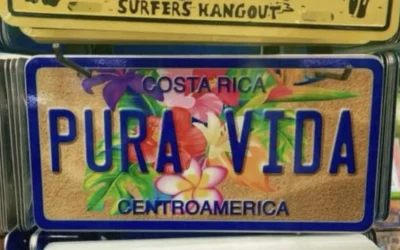
The national slogan is “Pura Vida,” meaning pure life. What does this mean? Costa Ricans and others living in the country are invited to manage stress and enjoy the simple pleasures of their everyday lives.

CST time in Costa Rica gives you ample daylight hours to explore Costa Rica’s natural wonders and immerse yourself in its vibrant culture.

With adventures and stunning scenarios waiting around the corner, it offers the perfect place to unwind after a long day or week of work.

Seamless connectivity and collaboration

Most beach towns and cities in Costa Rica have high-speed internet access. This facilitates collaboration with your clients without inconvenient time differences, reducing stress and enhancing productivity.

Even in remote areas, Costa Rica offers reliable internet access, allowing you to stay connected and productive wherever your nomadic adventures take you. Whether you’re relaxing on immaculate beaches or in the midst of lush rainforests, you’re always connected.

Costa Rica has plenty of coworking spaces if you’re looking for a dedicated workspace. You’ll find the perfect blend of productivity and a community of remote workers in these hubs.

Access to global markets

CST is only 6 hours behind GMT (Greenwich Mean Time). No more watching the clock or calculating time differences. In Costa Rica, your current time seamlessly aligns with significant business hubs, clients, and partners worldwide.

Take a look at the following list showcasing the time differences between CST and other time zones:

  • EST (Eastern Standard Time): 1 hour ahead
  • MST (Mountain Standard Time): 1 hour behind
  • PST (Pacific Standard Time): 2 hours behind
  • JST (Japan Standard Time): 15 hours ahead
  • AEDT (Australian Eastern Daylight Time): 17 hours ahead

As you can see, with Costa Rica’s time zone, you gain the competitive edge you need to tap into international markets. So, whether you’re conducting business in North America or Europe, Costa Rica’s time zone becomes valuable.

Something to keep in mind when working with or for a US client is that the United States of America practices daylight savings and Costa Rica does not. 

Daylight saving time in the United States typically takes effect on the second Sunday in March and ends on the first Sunday in November. During this period, the clocks are set forward by one hour in the spring and back by one hour in the fall.

So, to be more specific:

  • Clocks “spring forward” in March.
  • Clocks “fall back” in November.

Exclusive experiences

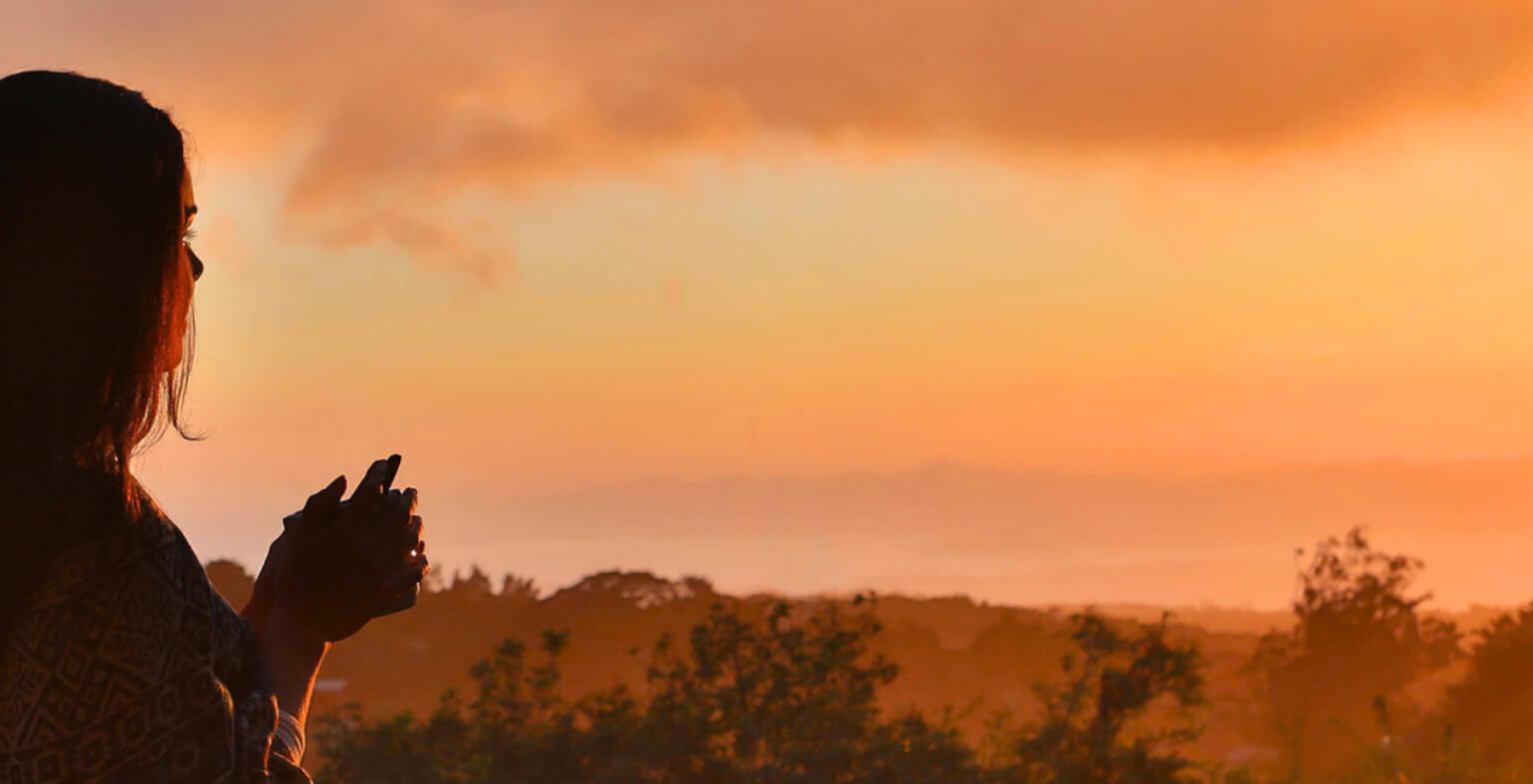
One of the biggest draws to living as a digital nomad in Costa Rica is enjoying our country’s natural wonders. When your work is done, you can catch a sunset at the beach or hike through the rainforest.

Find My Costa Rica will guide you to the most memorable and tailor-made adventures. Our expertise ensures that your days here are unforgettable.

We offer the following activities:

  • Adventure: Get your adrenaline pumping with thrilling outdoor activities like zip-lining, white-water rafting, and jungle trekking.
  • Family: Create lasting memories with your loved ones as you explore family-friendly adventures suitable for all ages.
  • Group: Explore Costa Rica’s beauty with like-minded adventurers on guided group tours.
  • Luxury: Enjoy exclusive experiences, high-end accommodations, and personalized service.
  • Self-drive: Take the wheel and explore Costa Rica’s diverse landscapes at your own pace.
  • Wellness: Relax in a serene setting with wellness activities like yoga and spa retreats.
  • Wildlife: Take a jungle safari or birdwatching tour to experience Costa Rica’s incredible biodiversity.
  • Off the beaten path: Take a trip to a less-explored corner of our country and discover amazing places.

Are you curious to learn more about each activity? We invite you to explore our website to find the one that matches your interests or location.

Comfortable climate all year long

Costa Rica’s Central Standard Time zone offers strategic time advantages and a great climate. There are two distinct seasons that offer beauty and unique opportunities for adventure.

The dry season, lasting from December to April, is characterized by clear skies, abundant sunshine, and warm temperatures. It’s an ideal time to lounge on pristine beaches and engage in outdoor activities without heavy rain.

In contrast, the Green Season, from May to October and early November, brings refreshing rains, lush landscapes, and a cooler atmosphere. There may be occasional showers in the afternoons, but they are usually short-lived and create a lush environment. This is an excellent time to work, explore, and experience Costa Rica’s authentic culture without having to deal with the crowds.

Discover the digital nomad paradise in Costa Rica's UTC-6 time zone. Your year of adventure begins now!

Harness the Power of Costa Rica’s Time Zone for Remote Work

With its strategic positioning and harmonious alignment with global business hours, Costa Rica’s time zone offers digital nomads the perfect blend to thrive in both their professional and personal lives.

So, what are you waiting for? Come to Costa Rica and enjoy a year full of incredible adventures! Contact Find My Costa Rica now, and let us tailor your experience to perfection. While you handle the work, we’ll take care of the adventures.

 Also, we can help you understand other subjects of interest like culture, local currency, food, transportation, and much more!
The rainy season is genuinely wonderful for travelers who prepare for it. Crowds are smaller, forests are greener, and waterfalls are at their most dramatic. It rains hard, but usually in defined afternoon windows — mornings are often clear.

Want the full picture? Our guide to Costa Rica’s rainy season covers what to expect region by region.

What to pack by activity

Do not repeat your master checklist here these are the additions that matter for specific trip types. Grab what applies to your itinerary and leave the rest.

Beach and water sports

  • Rash guard sun protection in the water is more effective than sunscreen alone
  • Waterproof phone case or action cam housing
  • Reef-safe sunscreen mandatory in marine reserves; this is not a suggestion
  • Water shoes for rocky beaches and shallow reef walks

Hiking and national parks

  • Trekking poles especially useful on steep, wet trails in Corcovado or Chirripó
  • Gaiters for deep mud on rainy season trails
  • Extra headlamp batteries early morning wildlife walks start before dawn
  • Microfiber towel compact and dries fast between hikes

Wildlife watching

  • Binoculars note that most FMCR partner guides carry loaners, so check with your guide before packing yours
  • Zoom lens (200mm or more) for photographing birds and monkeys at distance
  • Early-morning layers wildlife is most active before 8am when temperatures are still low
  • Silent, dark-colored clothing neon colors startle wildlife

City and culture (San José and beyond)

  • Money belt or anti-theft bag  pickpocketing exists in busy market areas
  • Light cardigan or blazer for nicer restaurants
  • Comfortable walking shoes  cobblestones in Barrio Amón are tough on sandals
Traveler enjoying a Costa Rica sunset view from a scenic overlook

What NOT to pack for Costa Rica

This is the section most travelers wish they had read first. Overpacking is the number one complaint we hear from guests on their first day. Less really is more when you are moving between regions.

Jeans: They never fully dry in the humidity. Swap them for quick-dry pants or shorts and thank yourself on day two.

High heels or dress shoes: You will not need them. Even nice restaurants in Costa Rica are casual. One pair of clean trail sandals does the job.

Too many shoes: Three pairs maximum: waterproof sandals, trail shoes, and flip flops. Shoes are heavy and take space.

Non-reef-safe sunscreen: It is prohibited in several reserves and harmful to marine ecosystems. Bring reef-safe from home. Brands like Raw Elements and Badger are good options.

A hair dryer: Almost every hotel and lodge provides one. Leave yours at home.

Valuables you cannot afford to lose: Leave the expensive jewelry and the laptop you need for work. Use your trip as a proper break.

Cotton everything:Cotton absorbs moisture and stays wet all day. Pack synthetics or merino for everything except maybe one casual outfit.

Practical tips for packing smart: documents, money, and tech

Your passport must be valid for the full duration of your trip.

Customs also requires a tiquete de salida proof of onward travel out of Costa Rica. This can be a return flight or a bus ticket to a neighboring country. Have it printed or easily accessible on your phone. See Costa Rica national park regulations via SINAC for entry requirements at protected areas.

Money

  • Colones (CRC) are the local currency; USD is widely accepted but change is given in colones
  • ATMs are available in most towns withdraw colones there rather than exchanging at the airport, where rates are poor
  • Visa and Mastercard accepted at most hotels, restaurants, and tour operators; carry some cash for small sodas and local markets

Health prep

Check the CDC health recommendations for Costa Rica before your trip they cover vaccines, repellent, and food safety guidance. Travel insurance is not required by law, but we strongly recommend it for anyone doing adventure activities.

Tech

  • Costa Rica runs on 110V/60Hz US travelers need no adapter or converter
  • Cell coverage is solid in tourist areas; download offline maps before heading into remote zones
  • WhatsApp is the primary communication tool in Costa Rica make sure it is installed and working


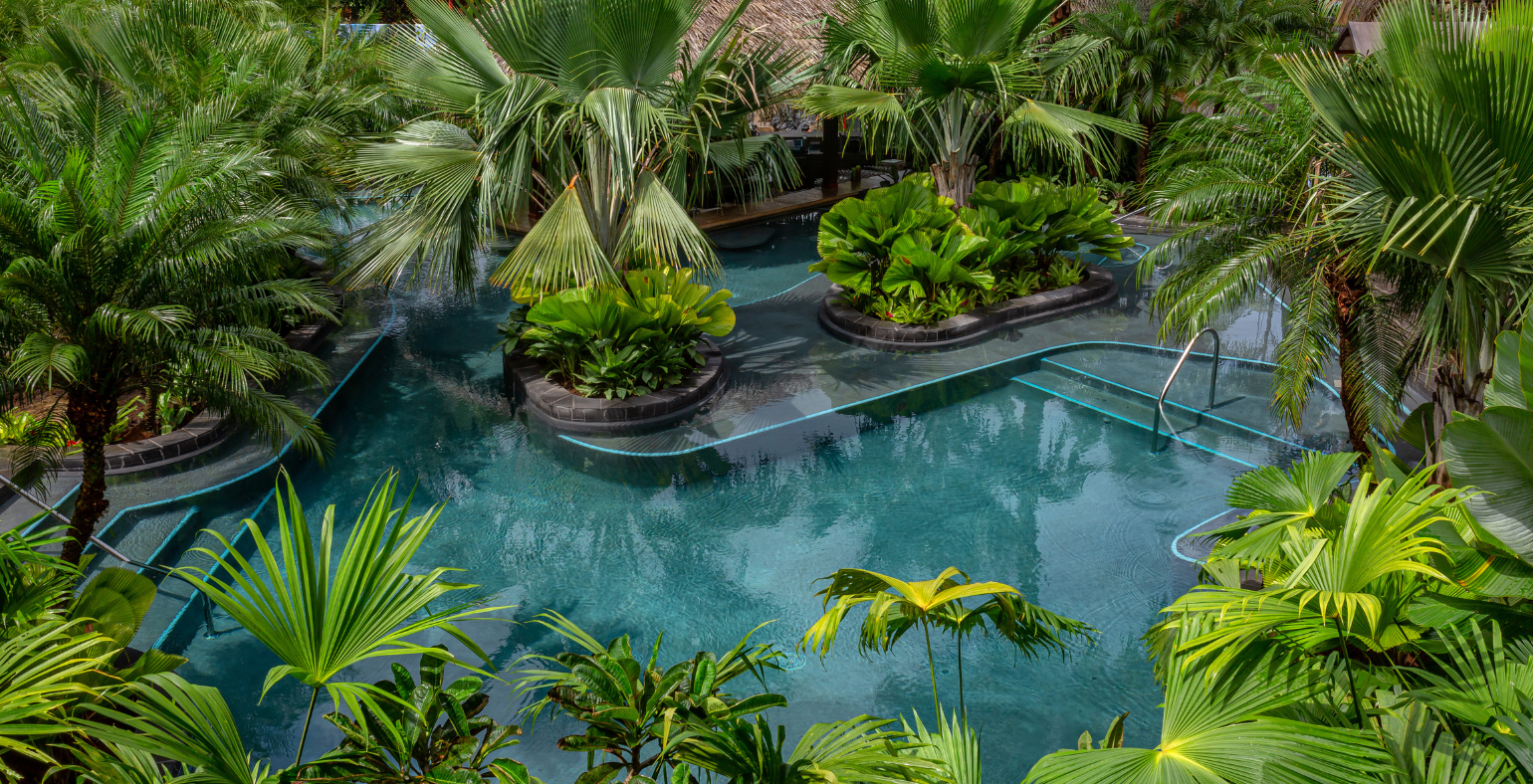
Tropical hot springs surrounded by rainforest in Costa Rica
Do I need a visa to visit Costa Rica?

US, Canadian, and UK citizens do not need a visa to enter Costa Rica for stays up to 90 days. Your passport must be valid for the full duration of your trip. You will need to show a return or onward ticket at customs.

Is tap water safe to drink in Costa Rica?

Yes in most areas. Tap water in San José, Guanacaste, La Fortuna, and other major tourist regions is safe to drink and often tastes good. In very remote or rural communities, confirm locally before drinking. Carry a reusable bottle and refill with confidence in most places.

What is the best luggage for a Costa Rica trip?

A soft-sided rolling suitcase works well if you are staying in one or two places. If you are moving between regions beach, rainforest, and volcano a mid-size backpack (40–50L) is far more practical. It fits in small boats, shuttles, and keeps your hands free on trails. We see guests arrive with giant hard-shell suitcases and spend the trip wishing they had packed a bag.

Do I need to bring bug spray to Costa Rica?

Yes. We recommend a picaridin-based repellent like Sawyer 20% over DEET it works just as well in tropical conditions, does not damage gear or plastics, and has no harsh smell. Apply it especially at dawn and dusk during the rainy season.

You may also like

Costa Rica Packing List 2026: Everything You Need for Your Trip

Costa Rica Packing List 2026: Everything You Need for Your Trip

Here is a packing mistake almost every traveler makes on their first Costa Rica trip: they pack too many shoes. Or they forget reef-safe sunscreen which is not just a recommendation but a requirement in several national parks and marine reserves. Either way, they...

The Real Meaning of Costa Rica’s Iconic Phrase “Pura Vida”

The Real Meaning of Costa Rica’s Iconic Phrase “Pura Vida”

If you’ve ever interacted with a Tico (a native Costa Rican) or researched this tropical paradise, you’ve undoubtedly come across two words: “Pura Vida.” But what is the real Pura Vida meaning? Is it just a slogan, or something deeper? What Does Pura Vida Mean? (The...

Costa Rica Travel Guide for First-Time Visitors (2026)

Costa Rica Travel Guide for First-Time Visitors (2026)

Planning your first trip to Costa Rica can feel overwhelming. With rainforests, volcanoes, and two different coasts to explore, the "Pura Vida" dream can quickly turn into a logistical puzzle. Many travelers ask: Do I really need a travel agent? Can I just rent a...

Shopping cart0
There are no products in the cart!
Continue shopping
0