If you’ve ever dreamt of a tropical escape surrounded by lush rainforests, pristine beaches, abundant wildlife, and unique adventure, then consider adding Manuel Antonio, Costa Rica, to your bucket list. Get ready to uncover the raw beauty of this incredible destination.
What Makes Manuel Antonio, Costa Rica, So Special?
What sets this destination apart is that it is home to the greater Manuel Antonio National Park, a haven for wildlife enthusiasts because it allows spotting diverse species such as white-faced capuchin monkeys, three-toed sloths, toucans, and vibrant butterflies.
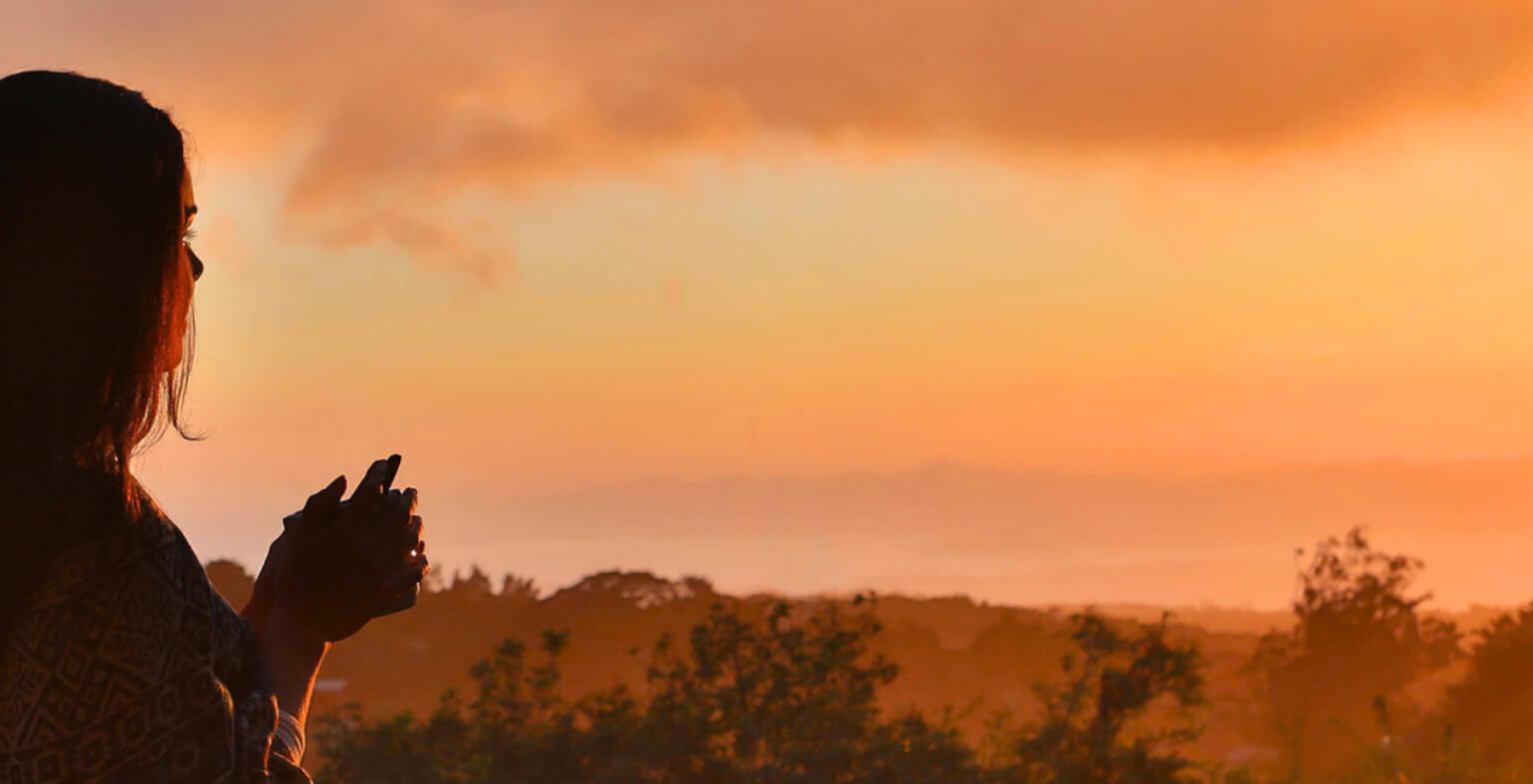
Moreover, Manuel Antonio is synonymous with beautiful beaches; some of the most renowned are Manuel Antonio Beach, Biesanz Beach, and Espadilla Sur Beach. There’s no wonder why this destination is a go-to destination to witness breathtaking sunsets.
Another fact that makes Manuel Antonio unique is its cultural fusion; it reflects a blend of Costa Rican traditions and international influences. Also, when you come here, you’ll find local markets where artisans showcase their handmade crafts and artwork.
Finally, the area’s culinary scene showcases a fusion of traditional Costa Rican flavors with fresh seafood and tropical fruits. Don’t miss the opportunity to try exquisite dishes in beachside restaurants and cafes!
Where is this incredible destination located, you ask? Manuel Antonio is situated on the Central Pacific Coast of Costa Rica, within the Puntarenas province, approximately 167.8 kilometers (104.27 miles) from the capital, San Jose.
Manuel Antonio’s transportation is easy. If you have a rental car, the journey can typically take around 2 hours and 31 minutes, while opting for a bus may extend the travel time to approximately 5 hours and 45 minutes.
Best Places to Visit in Manuel Antonio
Manuel Antonio is a treasure of natural beauty and adventure. Here are some of the best places to visit in this destination:
Manuel Antonio National Park
You can’t visit Manuel Antonio without exploring its majestic national park—a haven for nature lovers and wildlife enthusiasts.
Manuel Antonio National Park has become the most frequented national park in Costa Rica, and for good reasons. One of them is its diverse flora and fauna. You can spot wildlife, including capuchin monkeys, iguanas, and different bird species.
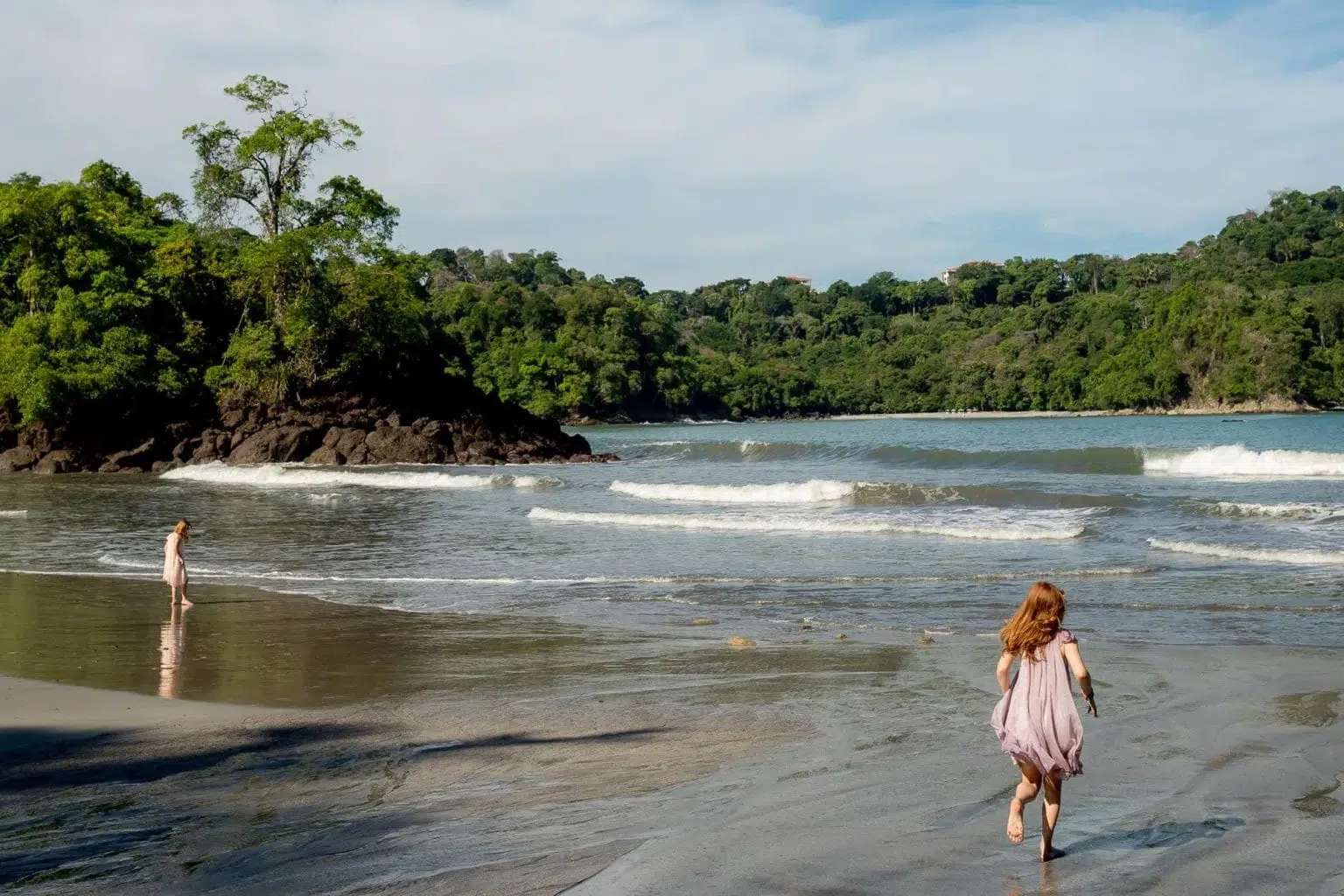
On the other hand, the park is home to some of the most beautiful beaches in Costa Rica! You can relax, swim, and appreciate the stunning coastal scenery.
You can explore the park on your own, but booking a guided tour can enhance the experience. At Find My Costa Rica, we offer a comprehensive Manuel Antonio Park Tour. It includes a certified guide, snacks, and entrance fees. Once the tour ends, you can enjoy the Manuel Antonio Park beaches.
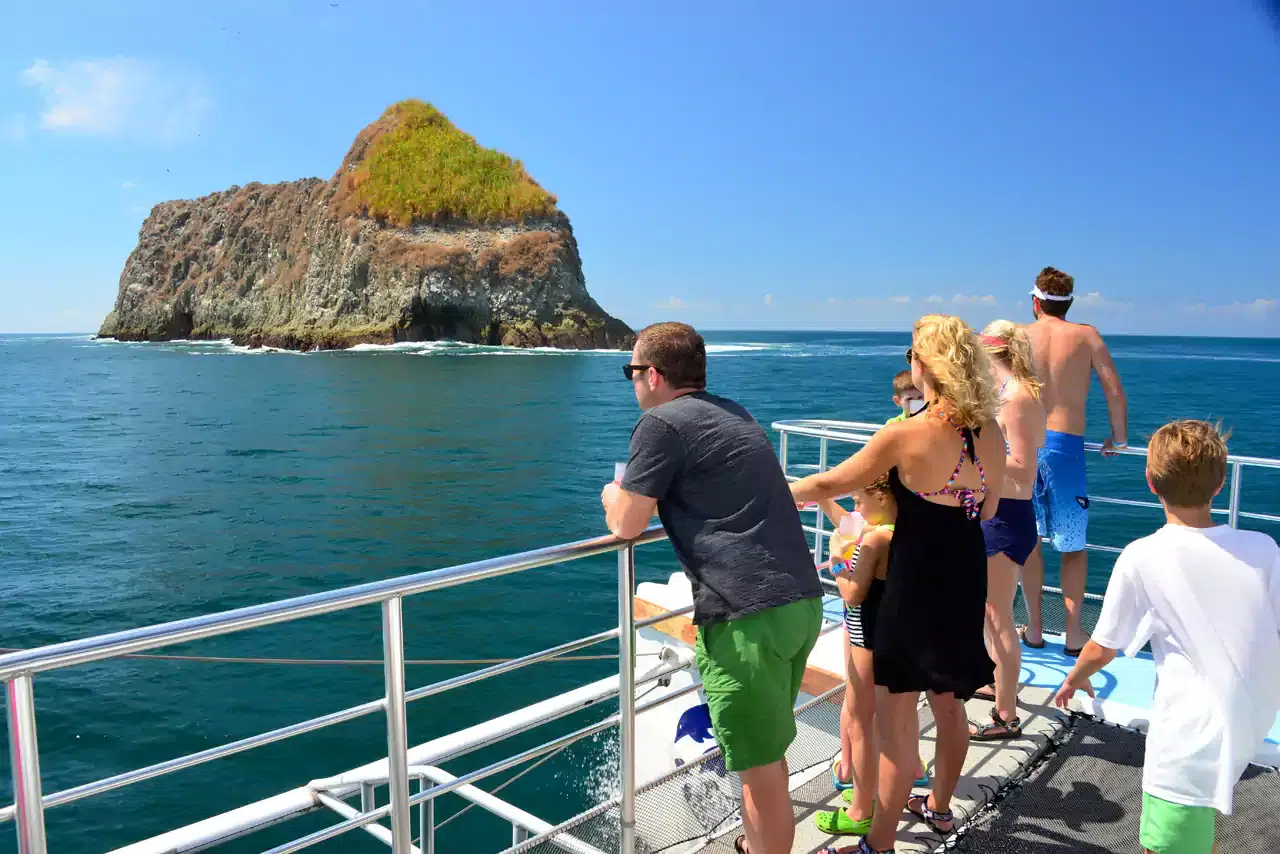
But if you’re here and are looking for water adventures, our Catamaran Sailing & Snorkeling Tour is for you. The journey begins with a sail aboard our catamaran, passing the beautiful beaches and islands of the park.
During the sail, chances of seeing dolphins, whales, and sea turtles add a special thrill. We also take you to a scenic jungle bay where you can swim or snorkel; all snorkel gear is provided! The tour also includes surf lessons, wildlife viewing, and sport fishing.
Manuel Antonio Beach
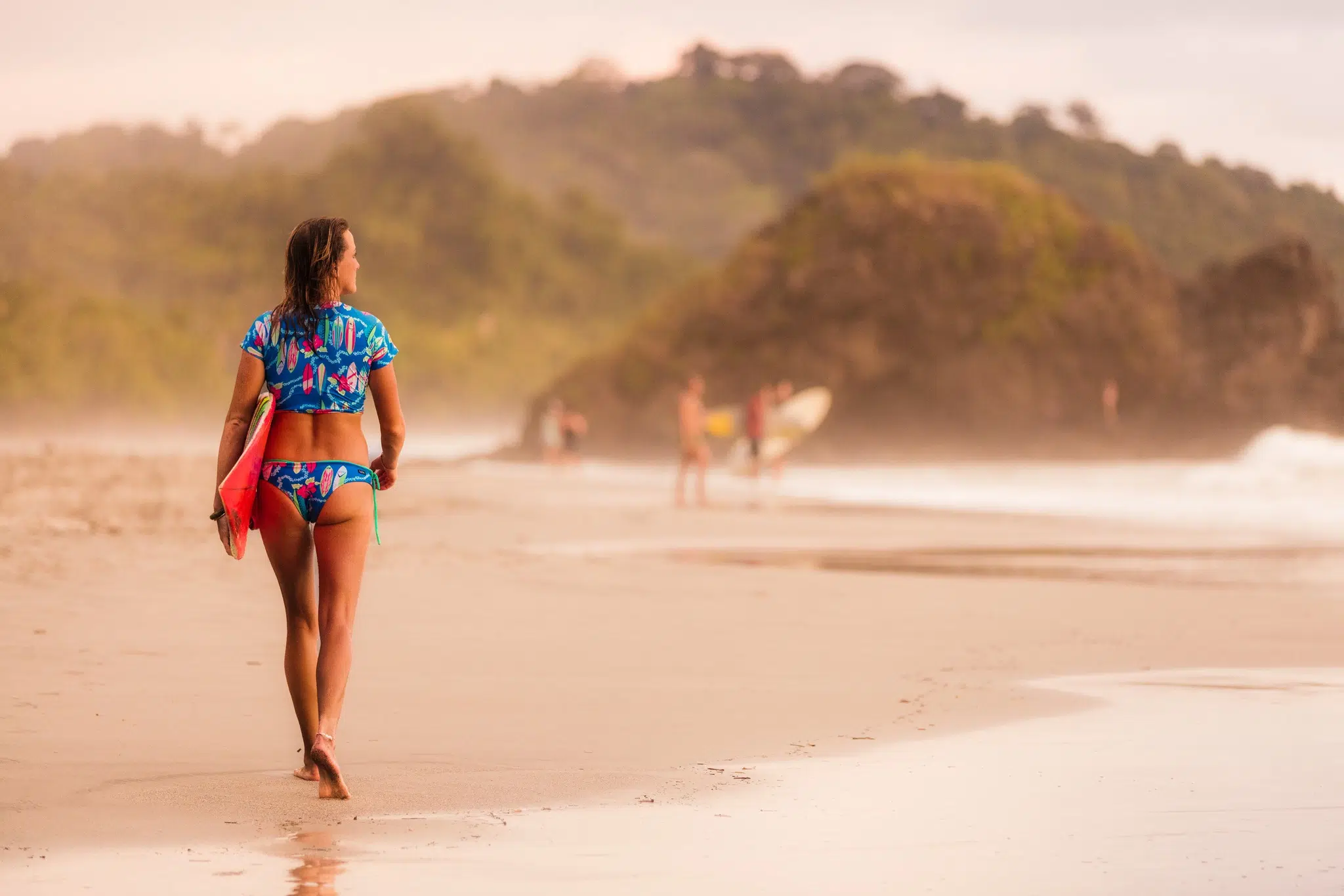
Manuel Antonio Beach, or Playa Manuel Antonio, is one of the most popular beaches in the area, and it’s located just south of the park.
This beach is surrounded by lush rainforests and bordered by the crystal-clear turquoise waters of the Pacific Ocean. It’s easily accessible from the park’s entrance, making it a convenient spot to unwind after exploring the trails.
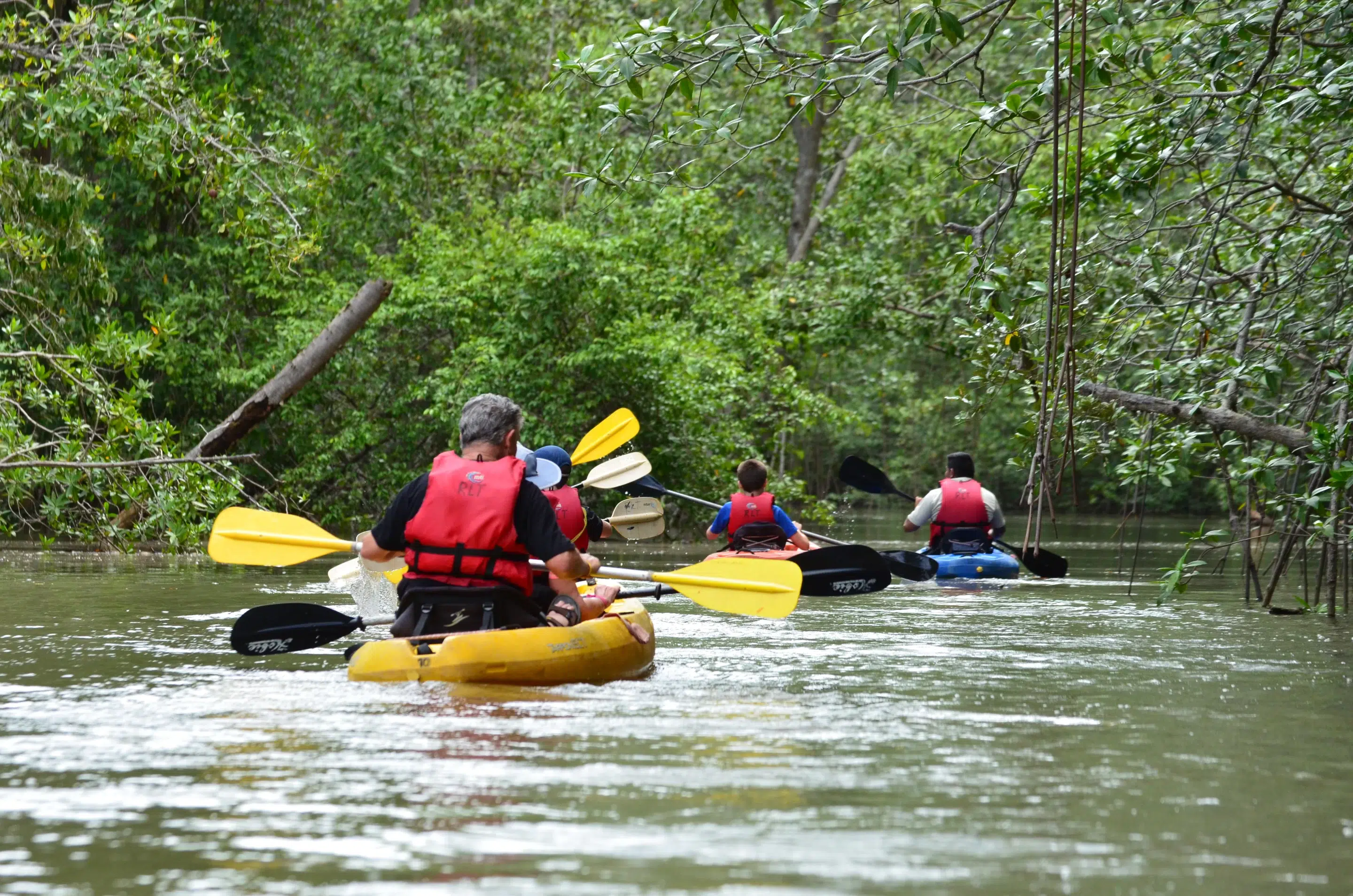
The best part is that the calm waters of Manuel Antonio Beach are perfect for practicing various water activities, including swimming, paddleboarding, and sea kayaking.
Marino Ballena National Park
Parque Nacional Marino Ballena is famous for its marine diversity and natural beauty. Covering over 13,616 acres, Parque Nacional Marino Ballena encompasses both land and sea, making it a haven for marine life and a playground for nature enthusiasts.
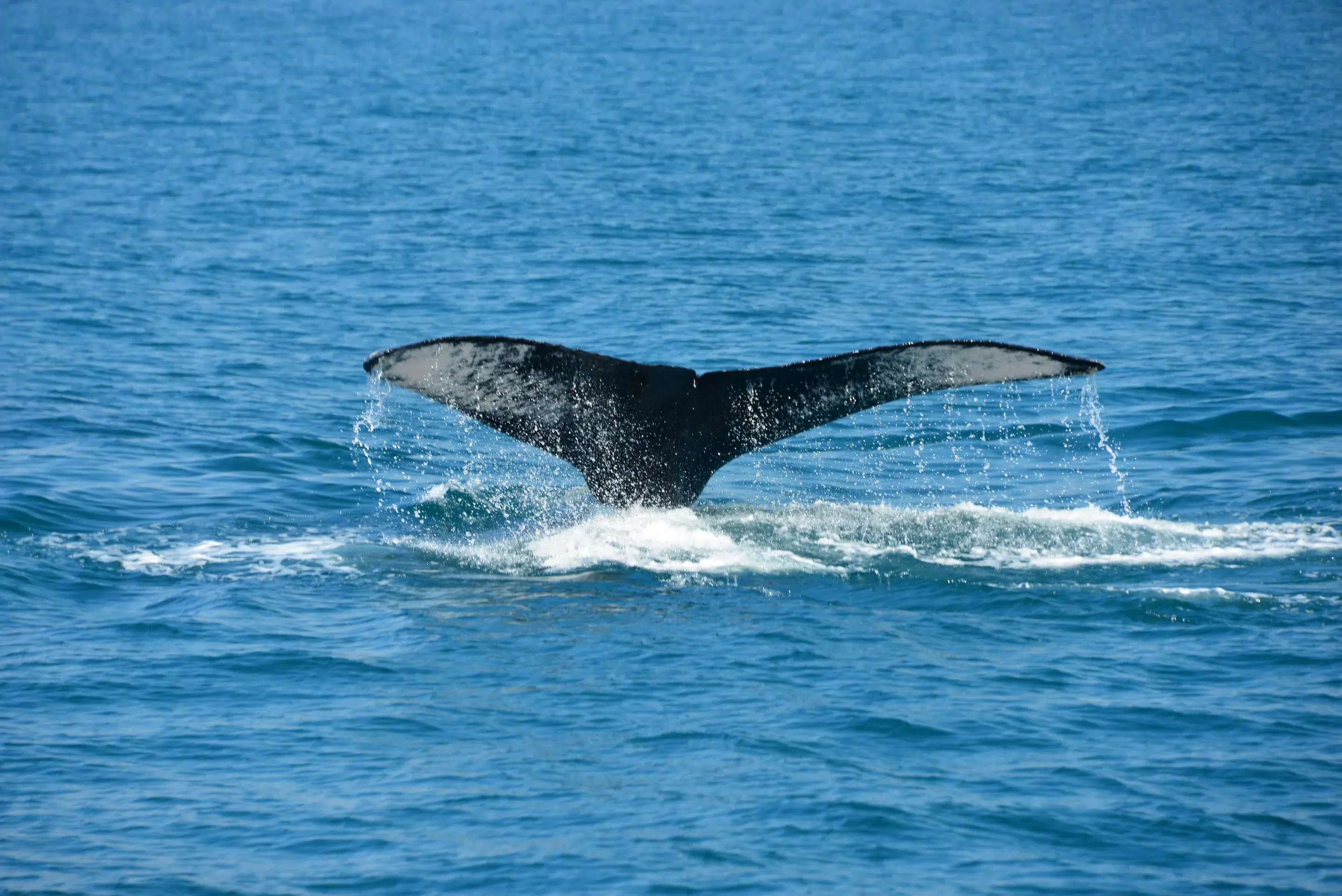
This is a prime location for whale watching. Humpback whales migrate here, offering you the rare opportunity to witness these majestic creatures in their natural habitat. That’s why if you come here, you’ll find several tours available for whale watching.
Beyond its marine allure, Parque Nacional Marino Ballena offers pristine beaches surrounded by lush mangroves, with Playa Uvita standing out. This beach has a unique whale tail sandbar, which, combined with the coastal mangroves, plays a vital role in supporting marine life.
If whale watching is what brought you here, our 6-Hour Whale Watching Tour is for you. The adventure starts at Manuel Antonio, heading south to the Uvita coast, which only takes 1 hour and 11 minutes.
During the excursion, you can look for whales and dolphins along the coast. You can jump off the boat for a relaxing swim or snorkel, depending on the conditions.
Carara National Park
Carara National Park is approximately 9 miles (14 kilometers) north of the popular tourist destination, Jacó Beach, making it accessible for day trips from coastal areas.
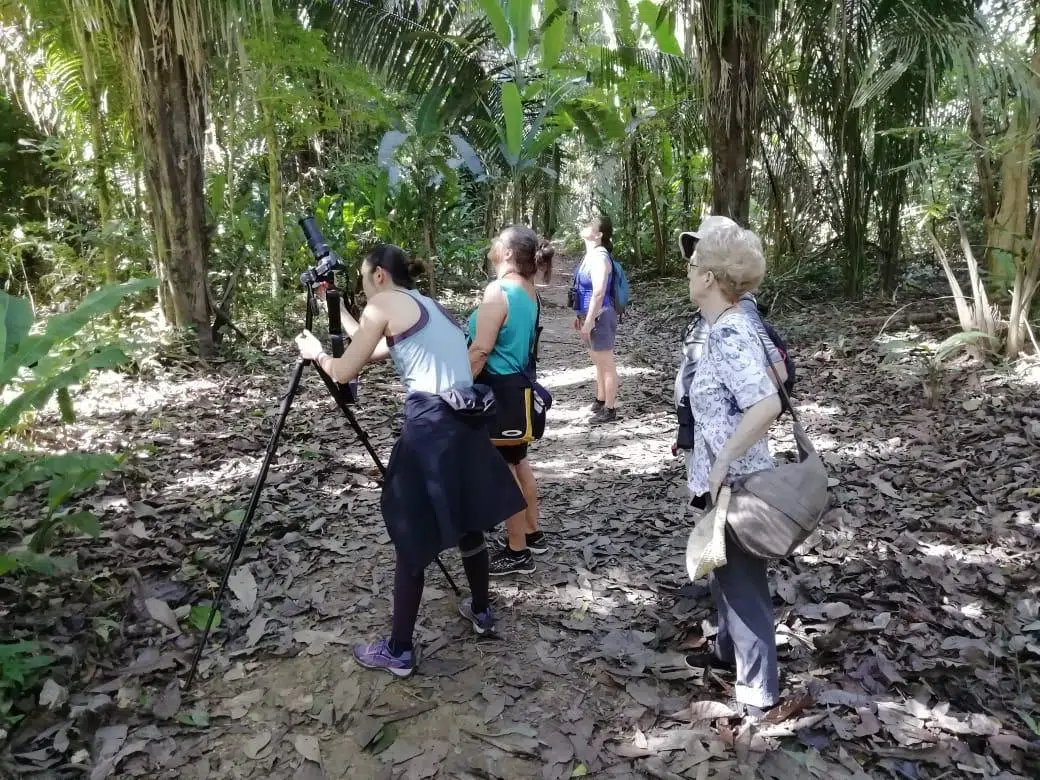
This park is an excellent destination for wildlife spotting. It’s home to abundant flora and fauna, including 48% of Costa Rica’s bird species. Here, you’ll also find iguanas, trogons, howler monkeys, and macaws. Moreover, it plays a crucial role in conservation efforts, particularly in protecting the habitat of the endangered scarlet macaw.
If you’d like to visit this park, explore our Wildlife, Flora, & Fauna Tour in Carara National Park, Costa Rica tour. Our guides can help you gain insights into the park’s ecology, conservation efforts, and the importance of preserving tropical rainforests.
Boruca Indigenous Reserve
The Boruca Indigenous Reserve is a cultural gem that offers a unique opportunity to experience the traditions, artistry, and rich heritage of the Boruca people, known for their vibrant cultural traditions, which have been preserved for generations.
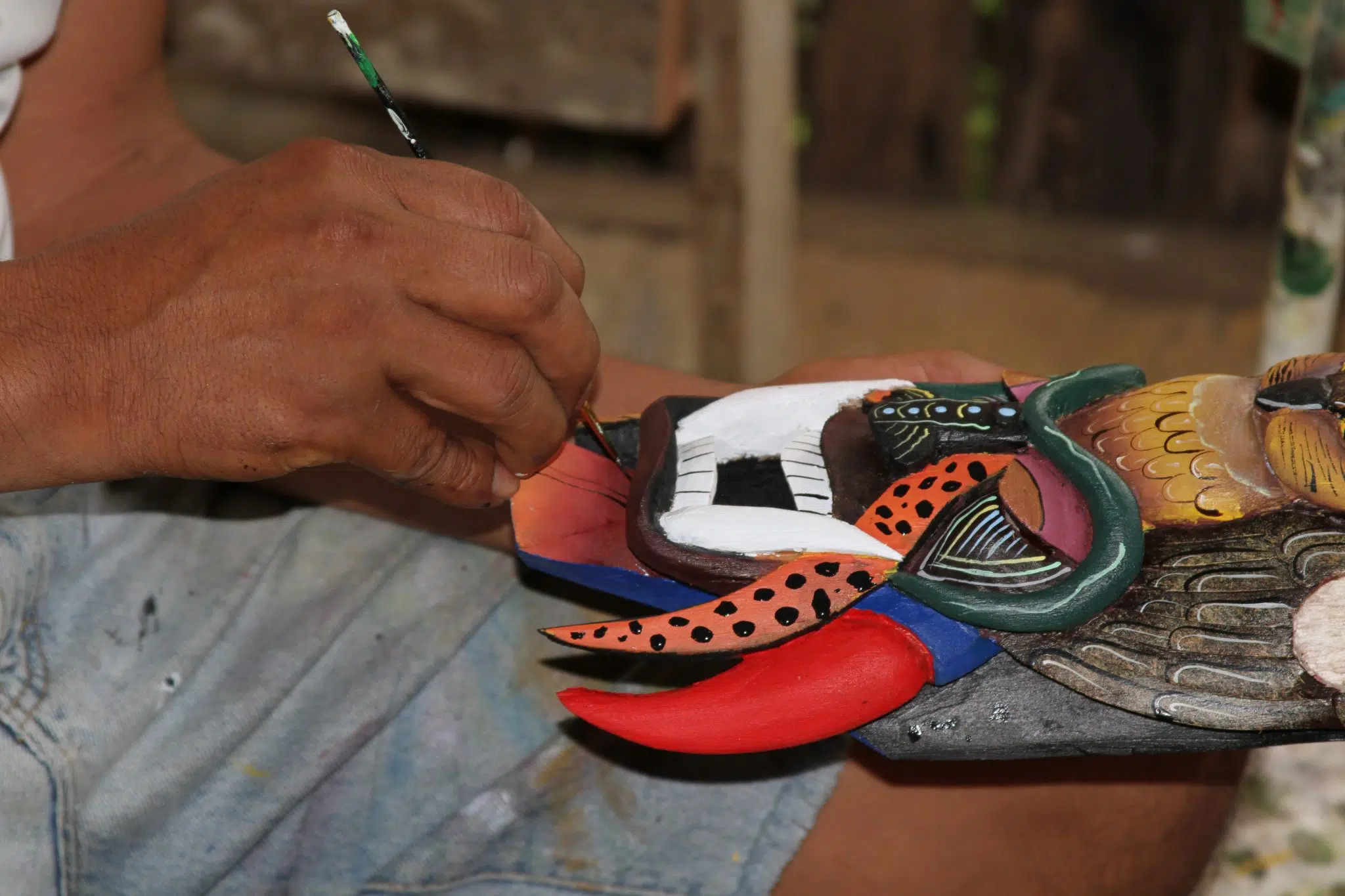
In the reserve, you can visit artisan workshops where Boruca craftsmen and women create distinctive masks, textiles, and other handcrafted items. You also get insights into each piece’s artistic processes and cultural significance.
At Find My Costa Rica, we offer our Cultural Immersion Tour from Manuel Antonio to allow you to explore the indigenous Boruca tribe and their culture. This is an excellent opportunity to learn more about their myths, legends, customs, and what shapes their identity.
Savegre River
The Savegre River is a charming waterway that offers scenic beauty and exciting adventure opportunities.
The surrounding areas of the Savegre River are rich in biodiversity. Birdwatchers, in particular, can delight in spotting various avian species, including toucans, parrots, and hummingbirds. The riverbanks are also habitats for diverse plant and animal life.
Many people choose this destination because it’s an excellent spot for whitewater rafting! You can navigate through thrilling rapids, providing you with an adrenaline-pumping experience amid the stunning backdrop of the Costa Rican rainforest.
However, if you’re looking for a more relaxing activity, consider exploring The Savegre Valley’s hiking trails, as they lead to scenic viewpoints overlooking the river. You can enjoy the serenity of the rainforest, spot wildlife, and appreciate the river’s role in shaping the landscape.
Quepos Farmers Market
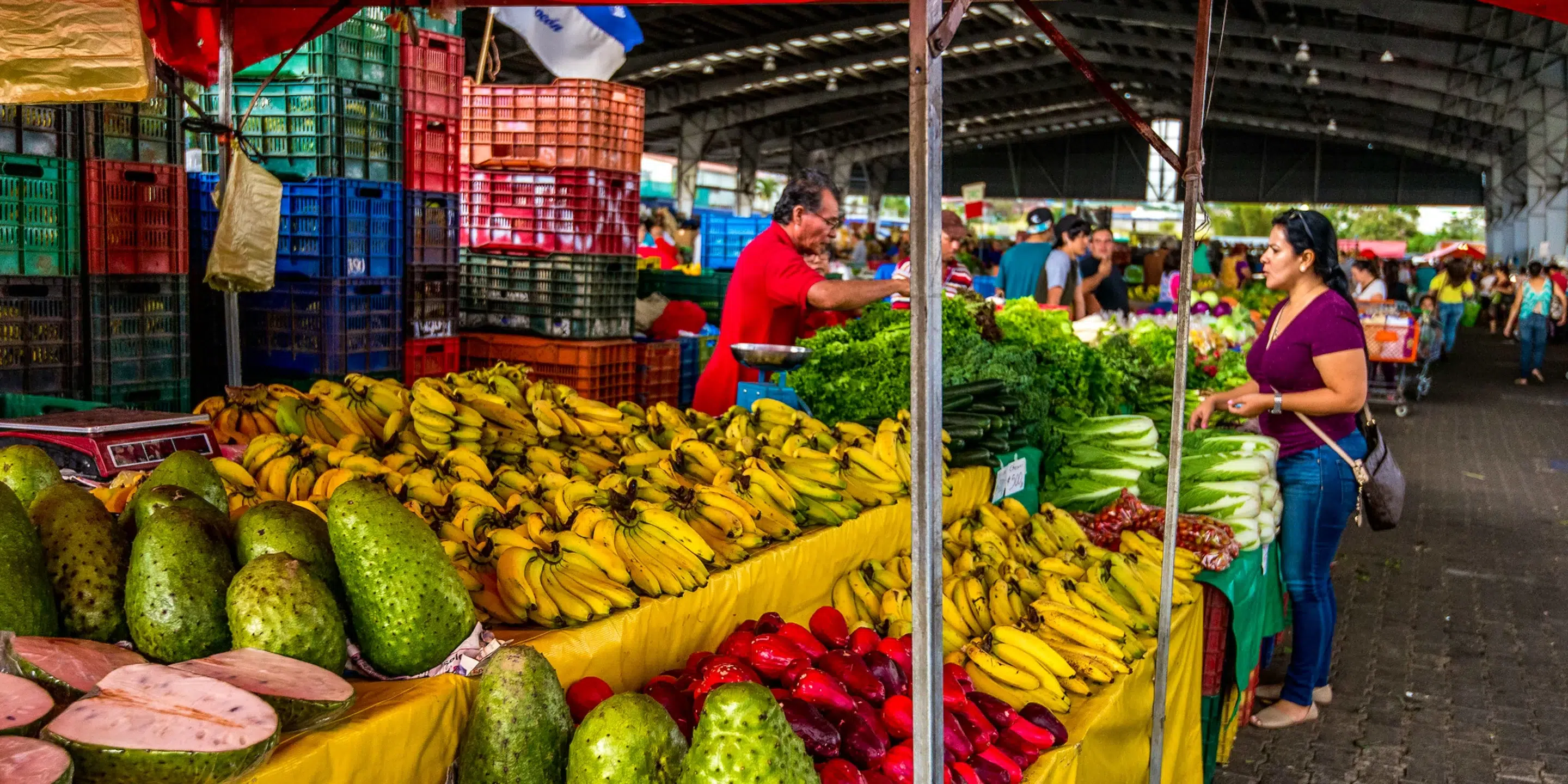
Quepos Market in Costa Rica offers a truly local experience with vibrant colors, the scent of fresh produce, and a community activity buzz.
The market will likely showcase various seasonal, locally-grown fruits and vegetables. You’ll also find artisanal cheeses, herbs and spices, fresh fish, chicken, meat, and flowers!
Beyond fruits and vegetables, you may find handmade crafts and artisanal products such as jewelry and clothing. This can be an excellent opportunity to buy unique and locally crafted souvenirs while supporting the local economy.
When is the Best Time to Visit Manuel Antonio?
The best time to visit Manuel Antonio depends on your preferences for weather, wildlife viewing, and crowd levels.
During the dry season (December to April), the weather is generally dry and sunny, making it an ideal time for beach activities, wildlife watching, and outdoor adventures. This season is considered the high tourist season.
The trails in Manuel Antonio National Park are more accessible during this period. However, be prepared for higher accommodation prices and larger crowds, especially around holidays.
The green season, also known as the rainy season, is characterized by frequent afternoon showers and lush vegetation. This is a great time for budget-conscious travelers, as accommodation prices tend to be lower, and the landscape is most vibrant.
We recommend visiting Manuel Antonio from July to October if you’re interested in whale watching, particularly humpback whales. During this time, these creatures migrate along the Pacific coast, providing a unique opportunity for whale-watching tours.
How Long Does It Take to See Manuel Antonio?
This can vary based on your preferences, interests, and the pace at which you prefer to travel. However, for a comprehensive visit that allows you to experience the main attractions without feeling rushed, a stay of around 3 to 4 days is recommended.
Remember that hiring tours is one of the best ways to explore Manuel Antonio!
Have an Unforgettable Experience with Find My Costa Rica
Visiting Manuel Antonio promises an experience filled with discovery, relaxation, and cultural immersion. As you contemplate your next Costa Rican vacation, let Find My Costa Rica guide you to an extraordinary and memorable exploration of this tropical paradise.
Contact Find My Costa Rica today to book your tour and create lasting memories in one of Central America’s most enchanting destinations. Explore the best of Manuel Antonio with us!
FAQs
1. Is Manuel Antonio, Costa Rica, worth it?
Yes! Manuel Antonio is undoubtedly worth a visit. Its amazing beaches, lush rainforests, and diverse wildlife make it a paradise for nature lovers and adventure enthusiasts.
2. Is it safe to swim on Manuel Antonio's beaches?
Yes, it’s safe to swim on Manuel Antonio’s beaches. However, consider checking local conditions and adhering to safety guidelines to ensure a safe and enjoyable swim.
3. Do I need a guided tour to visit Manuel Antonio?
No, but a guided tour can significantly enhance your experience. Knowledgeable guides can provide insights into the local flora and fauna, share interesting facts about the national park, and help you spot wildlife that you might miss on your own.
4. Is it safe to travel to Manuel Antonio, Costa Rica?
Yes, Manuel Antonio is considered a safe travel destination. But like any travel destination, practicing common-sense safety measures is advisable. Be aware of your surroundings, take precautions with your belongings, and follow local guidelines.