Are you looking for the perfect beach spot in Costa Rica? Look no further than Manuel Antonio. This tropical paradise is home to some of the most stunning beaches in Central America. With their pristine waters, white sands, and vibrant coral reefs, you won’t want to miss what makes Manuel Antonio a must-visit destination for beach lovers.
8 Beaches in Manuel Antonio You Must Visit
Situated along Costa Rica’s Pacific Coast, Manuel Antonio is a paradise for beach enthusiasts. There’s nothing like taking a stroll on a sandy shore while the cool breeze dances past you.
Let’s take a look at some of the best coasts to visit while in this incredible destination:
Beaches Within Manuel Antonio National Park
The following beaches are situated within and are part of Manuel Antonio National Park in Costa Rica, and it’s essential to purchase an entrance ticket to access any of them.
The three captivating beaches to explore include:
- Playa Manuel Antonio
- Playa Gemelas
- Playa Espadilla Sur
Moreover, while at the park, you have the opportunity to book a guided tour through the national park, including a visit to the main beach that shares the park’s name.
One popular option is the 2-Hour Manuel Antonio National Park Tour. This guided experience provides insights into the park’s rich biodiversity and ensures you don’t miss the highlights, including the beach named after the park itself.
Playa Manuel Antonio
Manuel Antonio Beach is a crowd favorite because it blends nature with accessibility. This coast is known for its soft white sand and gentle waves and is ideal for swimming and snorkeling.
It is a part of Manuel Antonio National Park, and the palm trees and lush rainforests that surround it serve as a backdrop for the playful capuchin monkeys’ frequent visits. You’ll also find tidal pools filled with sea life, such as crabs and small fish.
How to get there
Begin at the entrance of the National Park. You’ll need to pay the park entrance fee to access the trail leading to the beach. Follow the flat, wide path that spans approximately 1.4 kilometers (0.9 miles) to reach it.
Nearby amenities
The beach itself doesn’t have any amenities. However, there are bathrooms and a place to rinse off your feet.
Tip: Bring your snorkeling gear with you.
Playa Gemelas
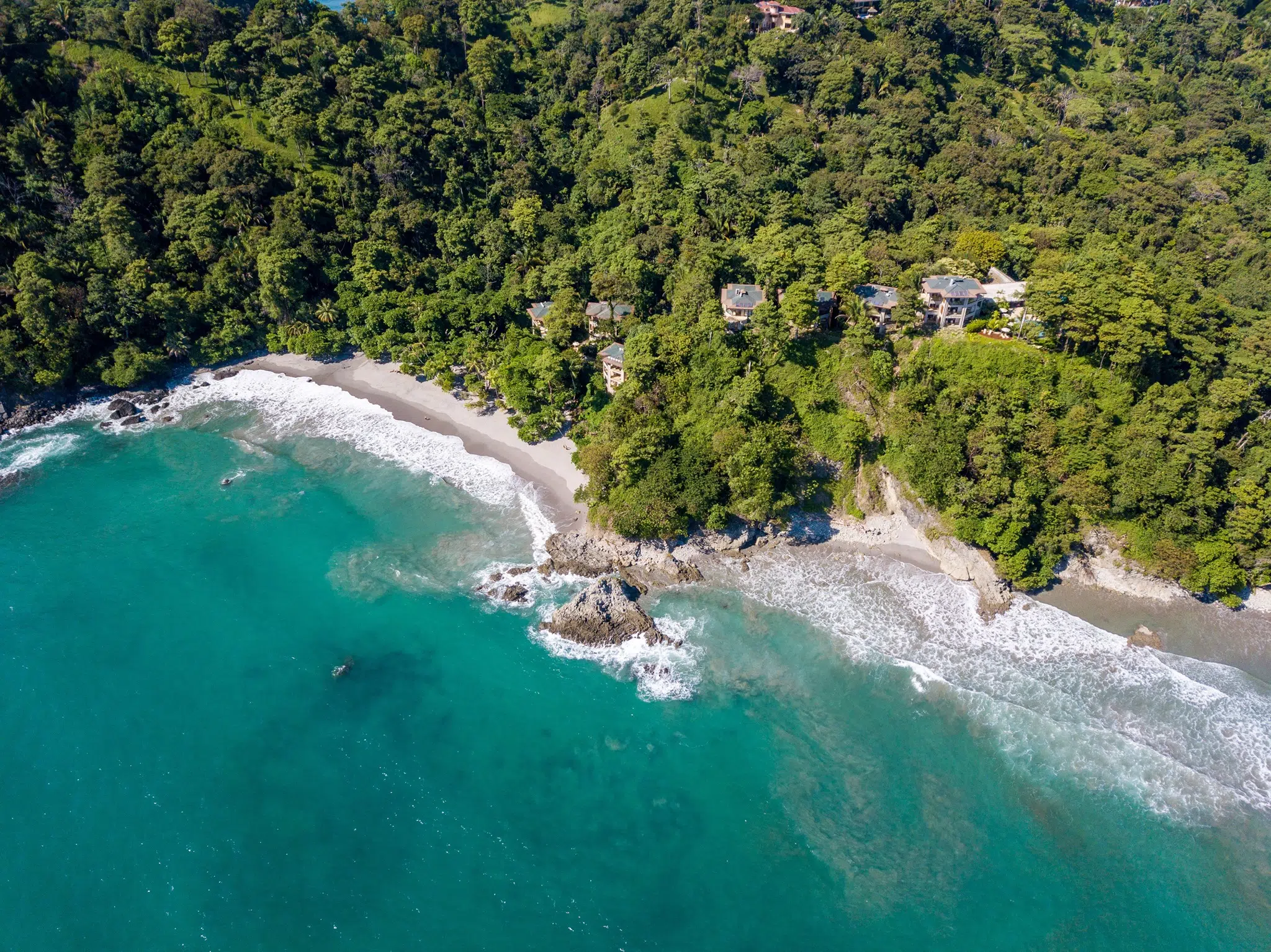
Playa Gemelas is a small and rocky beach situated just west of Manuel Antonio Beach, at the base of Punta Catedral. One of its unique features is its relative seclusion, offering a more tranquil and private experience compared to other locations in the area.
This coast is located in the southern corner of Manuel Antonio National Park. As such, natural beauty and wildlife encounters are two things that you’ll have guaranteed. During your visit, you might encounter iguanas, hermit crabs, and capuchin monkeys.
How to get there
Begin at the entrance of the National Park. You’ll need to pay the park entrance fee to access it. Then, to reach Playa Gemelas, take the El Manglar Trail to Perezoso Trail to Playa Gemelas Trail from the park’s entrance. The hike is manageable for most travelers, with the trail leading to the southern end of Playa Puerto Escondido.
If you’re driving, you can access Playas Gemelas by taking the road towards Manuel Antonio National Park and then following signs or asking locals for directions to the specific trails leading to the beaches.
This beach is also great for swimming and cooling off. The cool waters of Playa Gemelas offer a refreshing experience, especially after a hike in the warm Costa Rican sun.
Nearby amenities
The beach itself doesn’t have any amenities. However, there are bathrooms and a place to rinse off your feet.
Keep in mind that these beaches are susceptible to tidal actions, and when the tide is high, the sand almost entirely disappears. Additionally, it’s essential to assess their conditions, as the currents are often much stronger compared to Manuel Antonio Beach. This is an important consideration before swimming or venturing away from the shoreline.
Playa Espadilla Sur
Playa Espadilla Sur, also known as Playa Dos or Playa Segunda, is a picturesque crescent-shaped beach in Manuel Antonio National Park. The beachfront is less crowded than Playa Espadilla, providing a more private experience.
This location is known for its calm waves, making it family-friendly and suitable for swimming and snorkeling. You can also relax, soak up the sun, and enjoy the natural beauty of the surroundings!
How to get there
From Quepos, head west towards Manuel Antonio. The beach is accessible from the main road leading to the national park.
This coast requires a park entrance ticket to access it. You can reach it by hiking approximately 1.6 km (1.0 mile), taking the same path as Playa Manuel Antonio but continuing about 0.3 miles past it. Then, take the first right to cross Punta Catedral to reach Playa Espadilla Sur.
Once here, you’ll encounter a gorgeous beach surrounded by dense, wildlife-rich forest.
Nearby amenities
Playa Espadilla Sur is characterized by its natural and serene setting. Therefore, it lacks commercial amenities along the beach.
You can bring your own essentials, such as towels, ocean-safe sunscreen, and water, as there are no facilities for purchasing food directly on the beach. However, a food and snack shop is available along the seaside path.
If you’re considering visiting the park, our Manuel Antonio National Park tour might be perfect for you. You’ll have the opportunity to explore the park’s wildlife and relax on its beautiful beaches after your adventure.
Beaches Outside the National Park
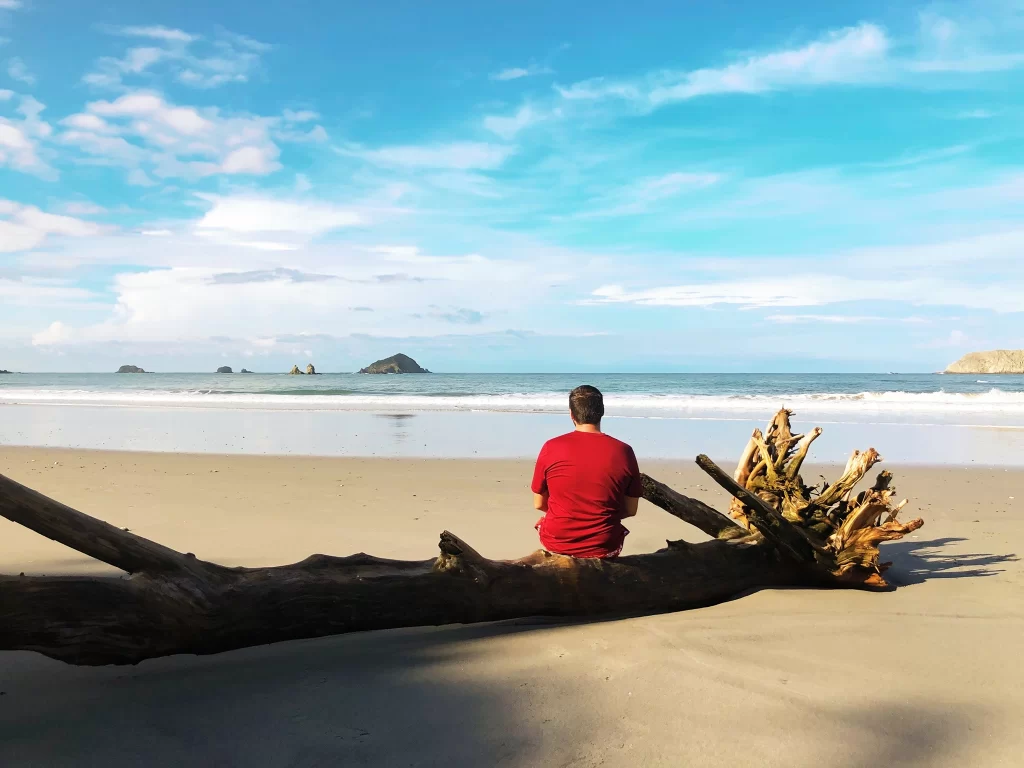
Situated outside the National Park, these beaches can be visited without the need for an entrance fee, allowing you to freely explore their stunning beauty.
Playa Espadilla
Playa Espadilla is a stunning beach located outside the National Park. Lined with palm trees and set against a lush rainforest backdrop, it offers breathtaking views and a vibrant atmosphere.
This shore is renowned for its wide, smooth, light-gray sands and is often called Playa Primera or Playa Numero Uno.
One of the aspects that make this beach stand out is its stunning views of the Pacific Ocean, natural beauty, and exotic wildlife. You might encounter monkeys, sloths, and bird species in the surrounding trees.
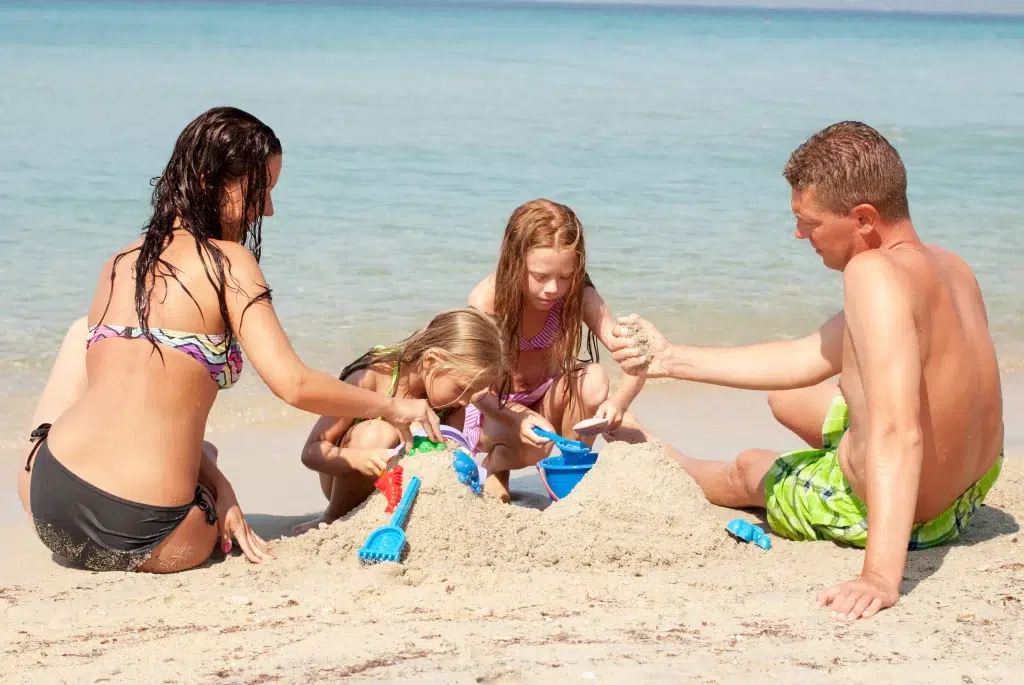
Moreover, it’s a family-friendly spot, offering a variety of activities suitable for all ages. Surfing, horseback riding, parasailing, banana boat rides, and jet skiing are some of the best activities you can do here!
How to get there
Playa Espadilla is easily accessible, situated just 6 km south of Quepos and north of the Manuel Antonio National Park entrance.
If you’re in Quepos, head west towards Manuel Antonio. Playa Espadilla is the main coast near the entrance to the national park. Also, taxis from hotels or walking -if you’re staying nearby- are alternative transportation options.
Nearby amenities
There are several beachfront restaurants and cafes in Playa Espadilla where you can enjoy local cuisine and refreshing drinks. You’ll also find local vendors offering coconuts, local treats, souvenirs, and more.
The best part is that rental shops offer beach chairs, umbrellas, and water sports equipment such as surfboards and boogie boards.
Playa Biesanz
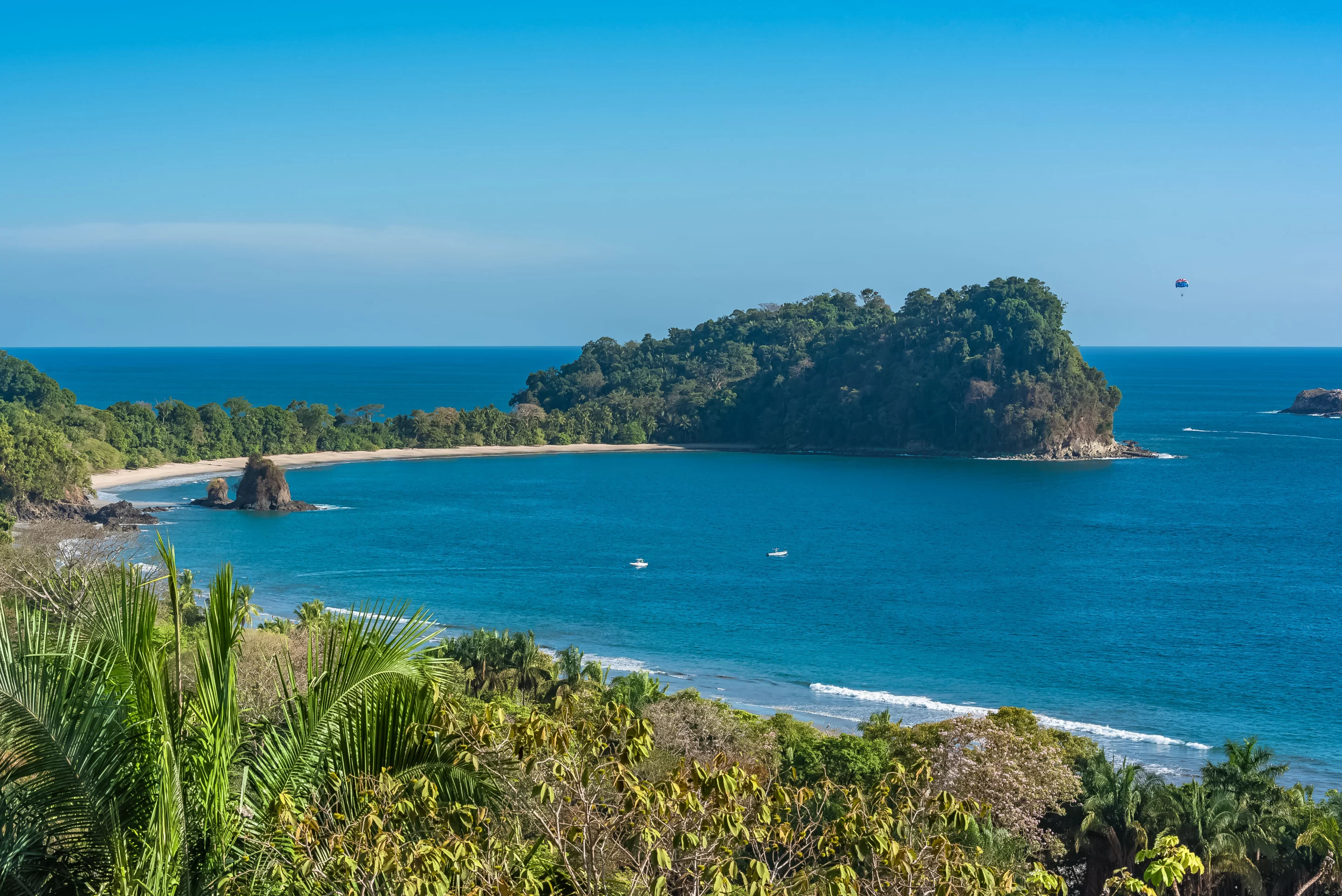
Playa Biesanz, or Biesanz Beach, is a hidden gem offering a secluded and tranquil experience away from the crowds. Located near Punta Quepos, this secret beach is covered by dense green tropical forest and appeals to those seeking a quiet and authentic adventure.
How to get there
To reach Playa Biesanz, take the 10-minute jungle trail from Punta Quepos that leads through the lush green forest.
While the beach demands a bit of effort to reach, the serene setting, ideal for wildlife observation, snorkeling in clear waters, and kayaking along the sheltered cove, makes it well worth the journey.
Nearby amenities
When visiting Playa Biesanz, you’ll encounter some amenities to enhance your beach day, including bathrooms and spots where you can rent kayaks, paddleboards, chairs, and umbrellas from local vendors. In addition, mobile vendors offer kayaks, paddleboards, and delicious treats during the high season.
Moreover, you’ll find various accommodations near the beach, and for an excellent choice, consider the Parador Hotel, situated only a 7-minute stroll away. Embrace convenience and comfort as you make the most of your beachside stay.
Exploring Manuel Antonio’s beaches is easy with our Caribbean Jungle, Volcano, Rainforest & Manuel Antonio Beach tour. This 7-night, 8-day cross-country adventure immerses you in Costa Rica’s natural splendor, exploring key highlights and traversing three distinct terrains.
Get ready to end your journey by unwinding on the Pacific Ocean, where you can relax in the company of the local Titi Monkeys in Manuel Antonio.
Playa La Macha
If you’re looking for an off-the-beaten-path adventure, Playa La Macha should be on your bucket list. Also called Doctor’s Beach, this remote spot offers peace and quiet, making it an ideal getaway for those seeking solitude away from the usual crowds.
Tucked within a small cove and surrounded by dense foliage, Playa La Macha requires a challenging 40-minute hike through the rainforest, rewarding you with a private and untouched beach.
Known for its seclusion, this beach lets you relax by the surf with minimal disturbances. The calm waters are great for a peaceful swim, and you can encounter sea turtles or dolphins.
How to get there
Accessing the beach involves driving to Bongo Hostel, parking your vehicle, and embarking on a 20-minute hike through rocky and muddy terrain.
The trail to reach the beach can be challenging, and the path is narrow and winding. However, the effort is worthwhile, providing opportunities to spot wildlife. Look out for monkeys like howlers, spider monkeys, or squirrel monkeys.
Nearby amenities
Due to the secluded nature of Playa La Macha, you’ll find no amenities here. You can bring your own snacks, water, and other beach essentials.
La Playita
Playa Playitas, situated at the end of Playa Espadilla Norte, is a lesser-known spot that provides a serene escape. It’s a favorite among locals, known for its surfing waves and a laid-back atmosphere with fewer crowds.
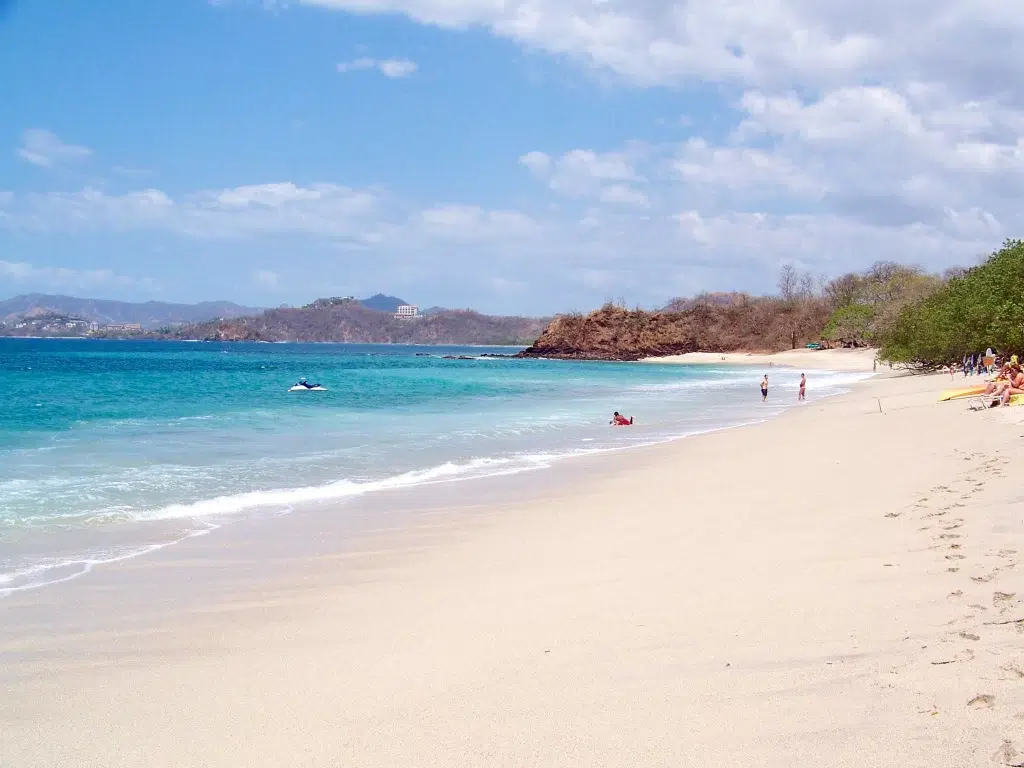
This beach is characterized by its pristine and unspoiled beauty. When you arrive, you’ll find yourself surrounded by dazzling turquoise waters and white sand.
Activities at Playa Playitas include swimming and snorkeling in its gentle waves. The beach is suitable for a tropical tan if you prefer staying on the shore. You can also enjoy the tranquility of the beach at sunset with a picnic under the palm trees.
How to get there
If you’re traveling by bus, take the Quepos to Manuel Antonio bus and get off at the Igloo Hotel. Then, walk north to reach Playa Playitas.
For cars, drive on the main Manuel Antonio road (618) toward the national park. Take a right before Plaza Vista Manuel Antonio and continue to Playitas.
Travel tip: Consider using a 4×4 vehicle, especially during the rainy season.
Nearby amenities
The beach is notably associated with Playitas Restaurant & Bar, located within Arenas Del Mar, providing a dining experience against the backdrop of the Pacific Coast. There are also other restaurants in the area where you can have a delicious meal or a refreshing drink.
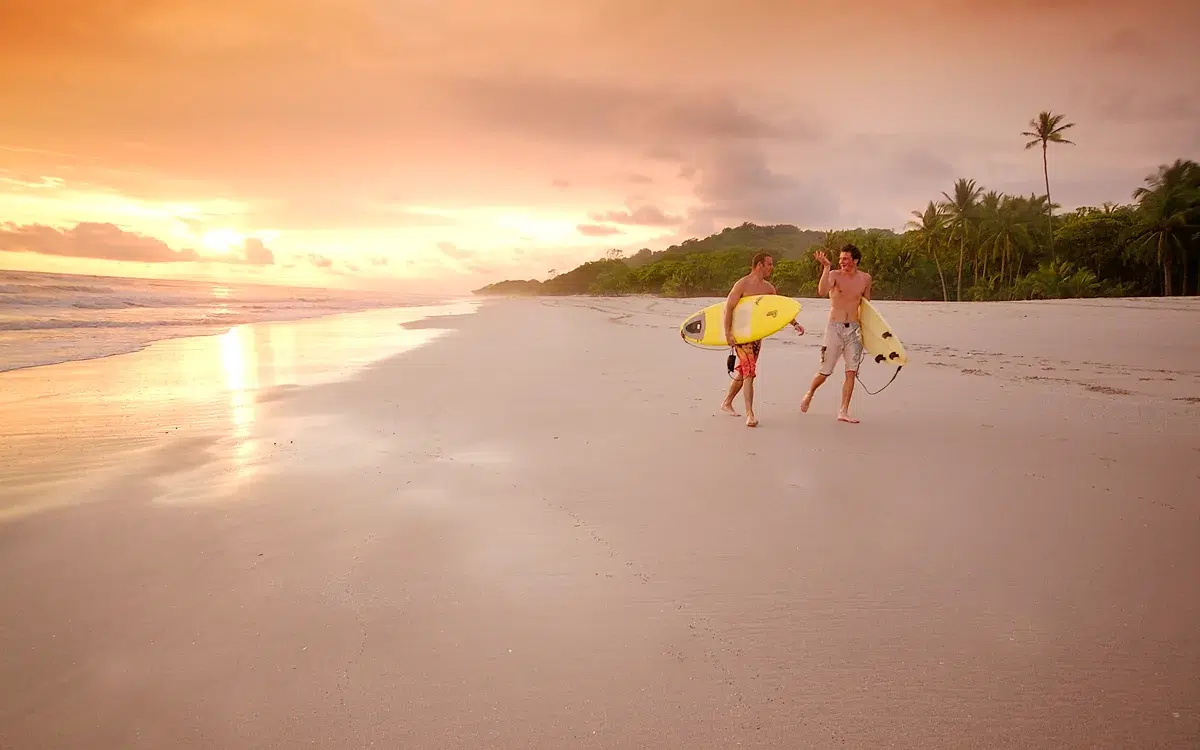
Playa Puerto Escondido
Playa Puerto Escondido, also known as Playa Cuatro, stands out as a stunning coastal gem along the Pacific shores of Costa Rica. Spanning just 650 meters, this small beach is characterized by its curved cove and incredibly soft white sand.
Located near Quepos, this beach provides a tranquil and natural setting. Moreover, its clear water suits activities like swimming and kayaking, while the soft sand is perfect for sunbathing.
How to get there
Accessing the beach involves a 1.6km trek along Sendero Puerto Escondido, a trail that winds through dense tropical forest. Additionally, along the way, you cross a small creek, adding to the natural charm of the journey.
Nearby Amenities
There are no amenities on this beach. As such, preparing lunch or snacks can be a good idea. Also, bring plenty of water and sunscreen! Lastly, wear sturdy footwear for the uneven and rocky parts of the dirt road.

When is the Best Time to Visit Manuel Antonio Beaches?
The best time to visit these paradisiac beaches depends on your preferences and the type of experience you seek.
For many, the dry season (mid-December to April) is the best time to visit. During these months, you can expect sunny skies, lower humidity, and minimal rainfall, providing ideal outdoor activities and beach relaxation conditions.
However, if you prefer to avoid large crowds and take advantage of lower accommodation prices, consider visiting during the shoulder seasons—early December or late April to early May. You may enjoy pleasant weather during these transitional periods while experiencing fewer tourists.
Enjoy Beach, Sun, and Sand with Find My Costa Rica!
At Find My Costa Rica, we offer tours in Manuel Antonio that let you immerse yourself in the area’s diverse wildlife and unwind on some of Costa Rica’s most stunning beaches.
Soak up the sun, feel the sand between your toes, and listen to the ocean waves after an enriching day exploring the wonders of Manuel Antonio. Contact Find My Costa Rica today to plan your perfect beach and wildlife adventure.
FAQs
1. Are the beaches in Manuel Antonio crowded?
The level of crowding varies, with some beaches being more popular than others.
2. Is swimming on these beaches safe?
Yes. However, you should be aware of strong currents, especially during certain weather conditions.
3. Are there water activities available?
Yes, various water activities such as snorkeling, kayaking, and paddleboarding are popular on different beaches.
4. What wildlife can I expect to see on Manuel Antonio beaches?
Wildlife sightings include monkeys, sloths, various bird species, and marine life.
5. Is there parking available near the beaches?
Parking options vary. Some beaches have designated parking areas, while others may require visitors to park in nearby locations and walk to the beach.